


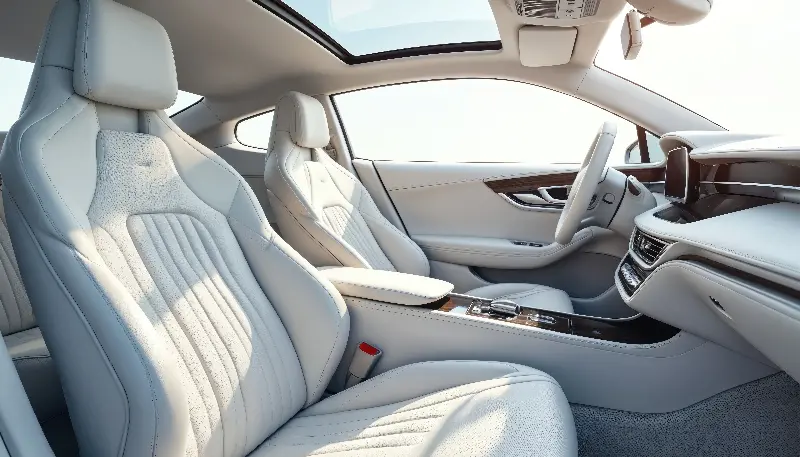
Minimalist car design is quietly taking over the automotive world, providing a striking contrast to the overloaded dashboards and extravagant styling of years past. This sleek modern movement is more than an aesthetic trend—it is a reflection of changing technology, consumer priorities, and the philosophy of purposeful design. But what makes this stripped-back approach so appealing, and why are automakers from Tesla to Volvo embracing it?
THE ROOTS OF MINIMALIST DESIGN
Minimalism in car design is not a new idea, but its resurgence comes at a time when digital sophistication can easily lead to physical complexity. The essence of minimalism is to remove anything non-essential, leaving only what truly adds value or function.
This principle is deeply rooted in specific design philosophies:
- Scandinavian Design: Focused on clean lines, light, and natural materials.
- Japanese Zen: Emphasizing simplicity and the elimination of clutter.
- Industrial Functionalism: Inspired by pioneers like Dieter Rams, whose "less, but better" mantra drives modern cockpits.
Early icons like the first-generation Mazda MX-5 Miata channeled this idea with a pared-back cockpit designed for pure driving pleasure. Today, the push toward minimalism is being shaped by the demands of a digital age.
HOW TECHNOLOGY ENABLES SLEEK SIMPLICITY
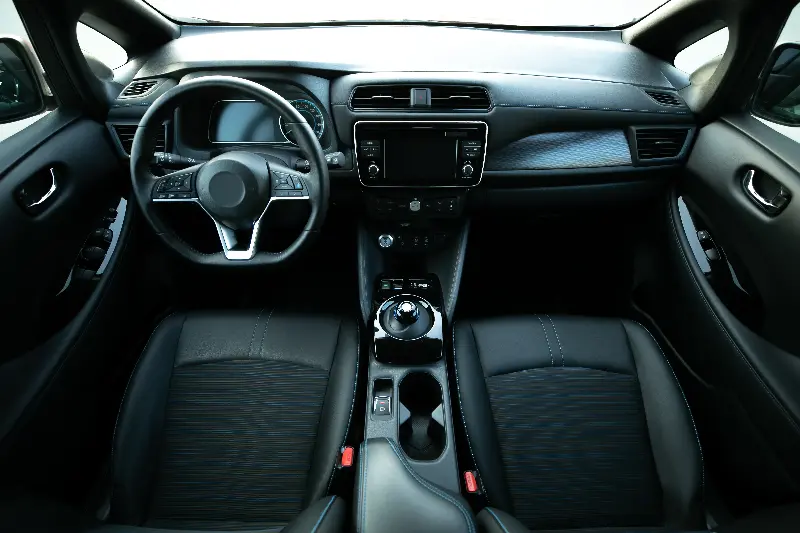
Ironically, the rise of digital displays and advanced software has allowed car interiors to become even more minimalist. Where once a dashboard was cluttered with buttons and knobs, large central touchscreens now condense controls for navigation, audio, and climate into a single interface.
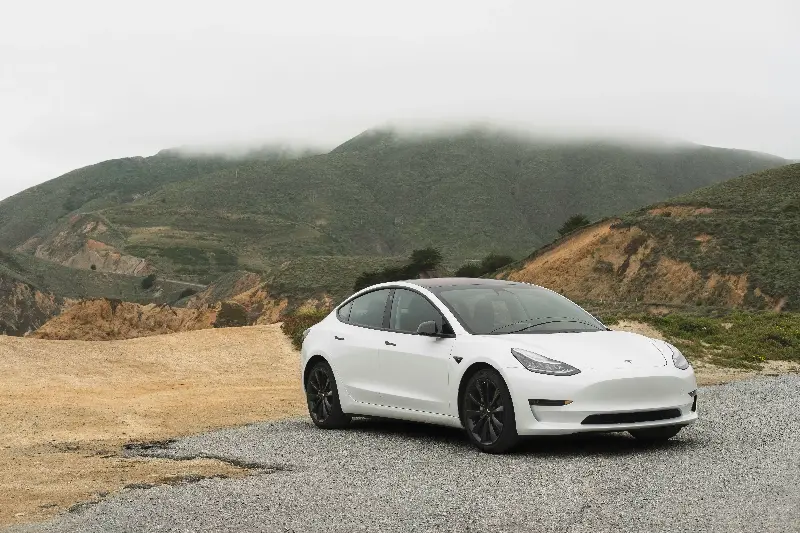
The Tesla Model 3 exemplifies this, reducing the traditional dashboard to a horizontal display and a steering wheel. This technological leap achieves several goals:
- Visual Order: Reduces the mental "noise" of a busy cabin.
- Physical Space: Without gear levers or bulky switches, designers create airier, more inviting interiors.
- Future-Proofing: Features can be updated via software rather than changing physical hardware.
PERFORMANCE THROUGH EFFICIENCY
Minimalist design is not just about looking good; it is a functional advantage. Logic dictates that fewer components mean less weight, an important factor in an industry that prizes performance and efficiency. Electric vehicles (EVs), in particular, benefit from streamlined forms.
Lighter vehicles require less energy to move, improving acceleration, handling, and range. Aerodynamics also plays a critical role. Clean, clutter-free body panels help reduce drag. The Lucid Air, Hyundai Ioniq 6, and Porsche Taycan all showcase how minimalist exteriors are shaped for maximum aerodynamic efficiency rather than just fashion.
CHANGING CONSUMER TASTES AND SUSTAINABILITY
Modern drivers crave experiences that are as seamless as their smartphones. Cluttered interiors can feel overwhelming and distract from the core activity of driving. Minimalism provides a calming effect, with intuitive layouts and soft lighting that invite touch without shouting for attention.
Furthermore, the less-is-more philosophy complements the move toward sustainability. As buyers grow more eco-conscious, there is a shift toward:
- Vegan Leathers: Reducing reliance on animal products.
- Recycled Textiles: Using plastics recovered from the ocean for seat fabrics.
- Responsibly Sourced Woods: Adding warmth without environmental guilt.
CHALLENGES AND CRITIQUES
It is not all plain sailing for minimalism. Some critics argue that shifting too many essential functions to touchscreens can pose safety risks. If a driver needs to dig through menus to adjust the wipers or defrost the windshield, it takes their eyes off the road.
Automakers are still learning where to draw the line between elegance and ergonomics. There is also a risk that some minimalist interiors can feel cold or impersonal if not executed with the right textures and colors to add character.
A VISION FOR THE FUTURE
Minimalist car design is set to become even more central as vehicles evolve into autonomous pods. As self-driving technology advances, the importance of freeing up interior space grows. Cars of the future may be less about "driving" and more about relaxing, working, or socializing.
Ultimately, the success of minimalist car design lies in its smart blend of technology and user-focused philosophy. By removing the unnecessary, automakers give drivers more room—both literally and figuratively—to enjoy the ride. Whether you love Scandinavian chic or the futuristic edge of the latest EV, minimalist design is proving that the best way forward is often with less.