


In the electrifying world of automobiles, the race for speed and performance has taken a sustainable turn. Gone are the days when electric cars were merely seen as eco-friendly alternatives with limited capabilities—the electric vehicles (EVs) of 2024 boast mind-bending acceleration and groundbreaking advancements in technology, leaving even some of the most stalwart petrolheads speechless. In this article, we delve into the world of high-performance electric cars that are redefining the boundaries of speed and efficiency.
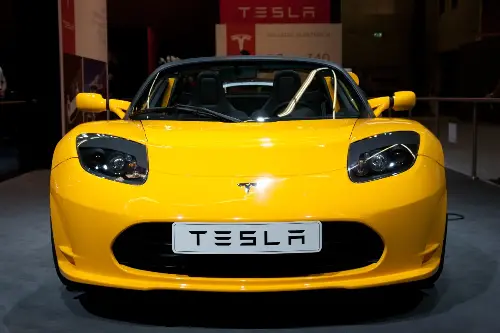
At the forefront of this electric revolution, the Tesla Roadster (2024) has captured the imagination of the automotive industry. This all-electric supercar, a revival of Tesla's first production car, promises to catapult passengers from 0 to 60 mph in an astonishing 1.9 seconds. Elon Musk's ambitious claims don't stop there; the Roadster purports to hit a top speed over 250 mph and cover a range of 620 miles on a single charge, figures that make it a true contender in the supercar realm. The inclusion of the SpaceX package – a series of cold-air thrusters – further pushes the frontier of what's possible in road-legal speed.
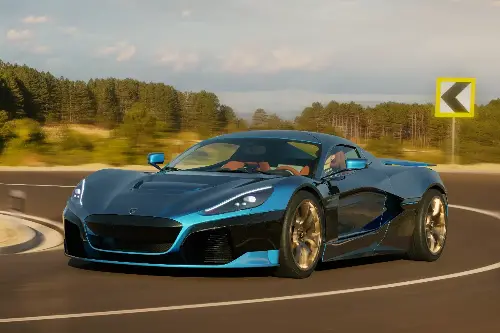
Another vehicle redefining performance is the Rimac Nevera. This Croatian marvel has made headlines with its sheer power and blistering pace. The Nevera's quad-motor setup generates a staggering 1,914 horsepower, allowing this electric hypercar to launch from 0 to 60 mph in just 1.85 seconds with a top speed of 258 mph. The car's intelligent all-wheel-drive system provides unmatched control and traction, while its 120 kWh battery pack ensures a respectable range. With its carbon fiber monocoque and sophisticated aerodynamics, the Nevera is as much a feat of engineering as it is a pioneer of the electric car evolution.
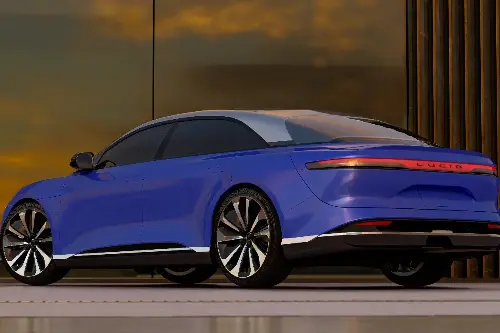
Lucid Air Dream Edition is another name that deserves a mention when talking about premium electric sedans with remarkable performance. Lucid Motors' flagship model boasts over 1,000 horsepower and a 0-60 time of 2.5 seconds, coming in two distinct flavors—Range and Performance—that cater to individuals prioritizing distance or speed. The Range edition is particularly notable for achieving an estimated 503 miles on a single charge, setting a new standard for electric vehicle autonomy. With an aerodynamic design and a luxurious interior, the Lucid Air bridges the gap between comfort and high-speed thrills.
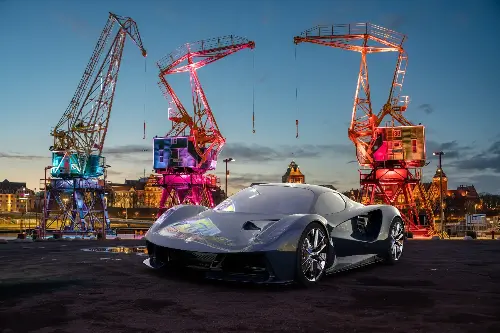
Next on the list is the Lotus Evija, which marks the British brand's foray into the electric hypercar league. With an impressive output of 2,000 horsepower from its electric powertrain, the Evija holds its own among the world's fastest cars. It sprints from 0 to 60 mph in under three seconds and aims for a top speed beyond 200 mph. Furthermore, its precision engineering with an emphasis on lightweight construction ensures that the Evija is as agile as it is fast. This electric hypercar is not only a statement of Lotus's commitment to innovation but also a powerful tribute to electric mobility.
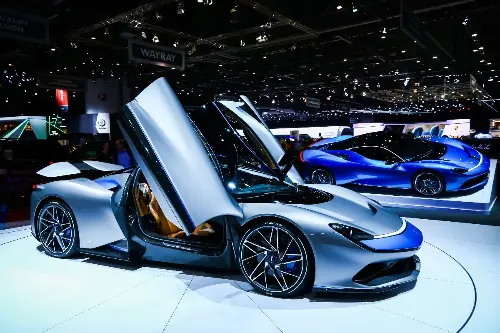
Taking the fifth spot, the Pininfarina Battista, named after the founder of the renowned Italian design firm, is a testament to exquisite craftsmanship and electric prowess. With a quad-motor setup similar to the Rimac Nevera (with whom it shares its platform), the Battista exhibits an impressive 1,900 horsepower, which delivers a 0-60 mph sprint time of under 2 seconds. The top speed is said to be 217 mph, ensuring that performance is at the heart of its experience. But it is not just about raw speed; the Battista is also about luxury, with its bespoke interior options and refined chassis tuning, which make it a truly exclusive EV hypercar.
As we drive into a future where EVs are not just the responsible choice but also the coveted one, it is clear that the appetite for speed has not been curtailed by the shift towards sustainability. These electric speed demons are charting a new course for the automotive industry, combining heart-stopping performance with environmentally friendly technology. Not all electric cars aim to break records, but for those that do, the benchmark is now incredibly high.
Advancements in battery technology, together with more efficient and powerful electric motors, are at the heart of this performance surge. EV manufacturers are also working tirelessly to reduce weight and optimize aerodynamics, which are critical factors for high-speed stability and efficiency.
What truly sets these high-performance EVs apart, however, is their ability to deliver instant torque. Unlike traditional internal combustion engines that require revving up to reach peak power, electric motors provide immediate power delivery. This characteristic translates to the explosive acceleration that has become a hallmark of top-tier electric supercars.
Drivers of these electric machines also benefit from the unique driving dynamics inherent to EVs. With low centers of gravity due to battery placement, and often advanced torque vectoring made possible by multiple electric motors, handling is as redefined as speed. The integration of high-performance software, capable of precisely controlling power output, further enhances the driving experience, offering an unprecedented level of control and responsiveness.
In conclusion, these electric trailblazers are not only redefining what it means to drive a fast car, but they're also setting new standards for the car industry as a whole. As we witness a golden era of automotive performance, it’s electric vehicles leading the charge, promising exhilarating rides without the carbon footprint. Whether or not these electric titans will overtake their gasoline-powered ancestors in popularity remains to be seen, but one thing is for certain—the race for the ultimate performance car just got a whole lot more electrifying.