


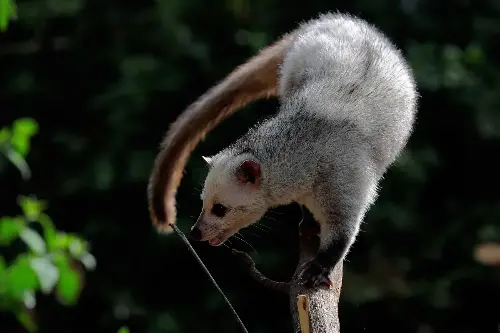
Civets, these enigmatic creatures of the night, are as intriguing as they are elusive. Found predominantly in the tropical forests of Asia and Africa, these medium-sized mammals are part of the Viverridae family, which also includes genets and linsangs. What makes civets so captivating are their solitary and secretive habits, unique physical characteristics, and their remarkable adaptability to diverse habitats ranging from dense tropical forest to savannah territories.
Understanding Civet Behaviour
Skilled in the art of stealth, civets are primarily nocturnal animals. The cover of darkness is their ally, aiding in their quest for food while keeping them hidden from predators. Civets possess a varied diet, with their menu stretching from small vertebrates and insects to the succulent flesh of fruits. This omnivorous diet plays a crucial role in the ecosystem, as civets are excellent seed dispersers, helping to maintain the health and diversity of their tropical homes.
Sights and Sounds of Civets
Distinguishing features set these animals apart, such as their lithe bodies, long tails, and pointed snouts. Civets also have a diverse range of vocalisations, including growls, hisses, and chitters, which they use to communicate with one another and establish territory. They also have a series of scent glands that produce a musky secretion. Historically, this secretion, known as civetone, has been used in the perfume industry as a fixative, giving fragrances a long-lasting, complex scent.
The Diversity of the Civet Family
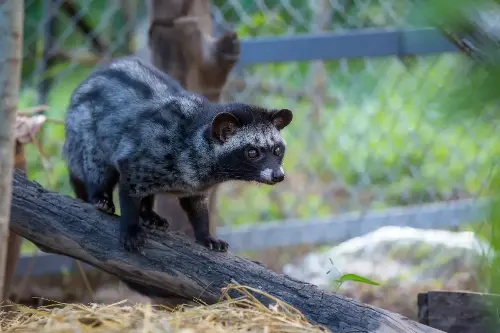
Civets are not a homogeneous group, with the family encompassing a variety of species each with their own unique quirks. The African civet, for instance, is recognisable by its striking black and white patterning and robust build. In contrast, the lithe and slender Asiatic palm civet adapts to a more arboreal lifestyle, navigating the treetops with finesse in search of its favoured palm fruit. Each species plays a unique role in their respective environment, yet commonalities like their solitary nature and omnivorous diet bind them as kin.
The Kopi Luwak Conundrum
One civet, in particular, has garnered international attention not for its ecological role but for its unexpected contribution to the world of luxury coffee. The Asian palm civet is linked to the production of Kopi Luwak, one of the world's most expensive coffees. This exotic brew is derived from coffee beans that have passed through the civet's digestive tract, where enzymatic reactions are reputed to enhance the flavour profile of the coffee.
However, behind the allure of this unique coffee lies a contentious ethical debate. The traditional, wild-sourced method involves collecting beans from the faeces of free-roaming civets, where the animals suffer no harm and play their natural role in the ecosystem. Modern demands, however, have led to intensification in production, with many civets now kept in captivity under questionable conditions for the sole purpose of harvesting their droppings.

Delving into the Ethics
Animal welfare advocates have raised serious concerns over the practice, noting that captivity-induced stress and poor diet can have detrimental effects on the civets’ well-being. Responsible consumers are now faced with the moral quandary of indulging in a luxury product at the potential expense of the welfare of these fascinating animals. For the discerning, ethical coffee enthusiast, ensuring that any purchase of Kopi Luwak is from certified ethical sources becomes paramount.
The Ecosystem's Ally
Beyond the realm of contentious coffee production, civets play a pivotal role in their habitats. As both predator and prey, they keep the delicate balance of their ecosystems in check. Their diet controls populations of insects and smaller animals, and their foraging habits contribute to a healthy dispersal of seeds, fostering regrowth and diversity in vegetation.
Conservation Measures and Future Outlook
While some civet species are plentiful, others face the risk of extinction due to habitat loss, hunting, and the pet trade. Conservation efforts must contend with these threats to ensure the survival of these species. Collaboration between local communities, governments, and international conservation bodies is key to crafting strategies that protect the civets' habitats and regulate trade practices.
Engaging the Public's Fascination
Ultimately, fostering a greater understanding and appreciation of civets among the public is essential to aid their conservation. By harnessing the intrigue that these creatures naturally evoke, conservationists can educate people on the importance of civets to the environment and their current plight.
As night falls on the tropical forests, the secretive lives of civets continue to unfold. These creatures, imbued with mystery, remain a symbol of the wild's untamed spirit. By exploring their habits, understanding their roles within the ecosystem, and addressing the controversies surrounding their exploitation, we can better appreciate the civet's place in our world and the need to safeguard their future.