


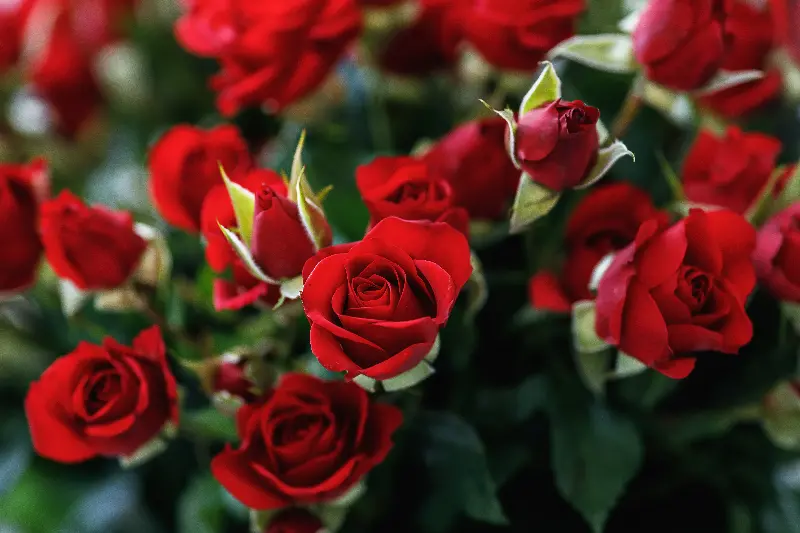
There are few symbols as universally recognized as the red rose. Elegant in appearance and enchanting in fragrance, the red rose doesn’t just brighten rooms; it stirs emotions, ignites passions, and sweetens gestures of love. But how did this simple flower, growing wild on hillsides centuries ago, become the ultimate emblem of romance across continents and cultures? The journey of the red rose from garden bloom to love language weaves together myth, history, and human sentiment in surprising ways.
Roots In Ancient Myth And Meaning
Long before red roses became a staple of Valentine’s Day and romantic occasions, they were thriving in the stories and gardens of ancient civilizations. The earliest records trace red roses to the lush landscapes of Central Asia, and they quickly made their way into the gardens of the Greeks, Romans, Persians, and Egyptians. The Greeks associated the red rose with Aphrodite, the goddess of love, whose tears and the spilled blood of her lover Adonis, according to myth, created the very first red roses. The flower’s intense hue—as vibrant and captivating as a lover’s blush—became a metaphor for deep passion.
In Roman times, red roses adorned feasts and festive halls, scattered at weddings and celebrations as symbols of joy and love. Cleopatra famously filled her chambers with rose petals to woo Mark Antony, suggesting that the intoxicating scent and sight of roses was already a sensual message all its own.
Secret Codes And Silent Messages
As red roses began to symbolize love, their value as communicators only grew. In times and societies where expressing love openly was risky or forbidden, flowers spoke the unspeakable. Nowhere is this more evident than in Victorian England, where the “language of flowers”—or floriography—became a popular and secret way to share feelings. The red rose, with its unmistakable allure, meant enduring romantic love. One red rose declared a silent “I love you,” while a bouquet carried even weightier meaning.
This tradition crossed borders. In Persia, poems and stories featuring red roses became the backbone of lovers’ tales. The great Persian poet Rumi wrote, “The rose’s rarest essence lives in the thorns,” capturing both the sweetness and pain of love. The symbolism flourished through literature and art, infusing the red rose with layers of significance for dreamers and poets everywhere.

From Royalty To Pop Culture
Red roses weren’t just for star-crossed lovers—they signaled prestige, power, and politics. In medieval England, two rival dynasties adopted roses as their emblems: the red rose for the House of Lancaster and the white rose for the House of York, leading to the famous Wars of the Roses. Although that conflict was hardly romantic, it forever linked red roses with history’s grand narratives.
As centuries turned, red roses continued to star in art, music, and fashion. Shakespeare immortalized the flower in his plays, most famously in “Romeo and Juliet.” Even in times of strife, roses symbolized hope and remembrance. During World War I, red poppies became a parallel symbol for remembrance, but red roses still appeared on memorials and tributes, reminding us of the enduring power of symbols.
Modern brands and pop culture figures, from fashion houses to chart-topping musicians, have embraced the red rose as a motif. Who can forget the iconic image of a single red rose in the hands of a hopeful bachelor or the romantic undertones in love songs and films? The rose remains a scent and sight that needs no translation—a universal gesture that transcends borders.
Why Red? The Science Of Color And Emotion
Not all roses bloom red, so why did this particular shade outshine the others as a symbol of passionate love? The answer lies in both biology and psychology. Red is a color that naturally attracts human attention. Studies show that red stimulates the senses, increasing heart rate and evoking excitement. In many cultures, red signifies power, desire, courage, and warmth—emotions at the heart of romance.
The velvety petals and deep hue of the red rose further heighten its sensual appeal. Historically, red dye was rare and expensive, especially in ancient times, so red flowers were themselves precious gifts. Today, science has found that the scent of roses can even trigger pleasure receptors in the human brain, adding a literal chemistry to their magical reputation.
A Global Tradition With Endless Variations
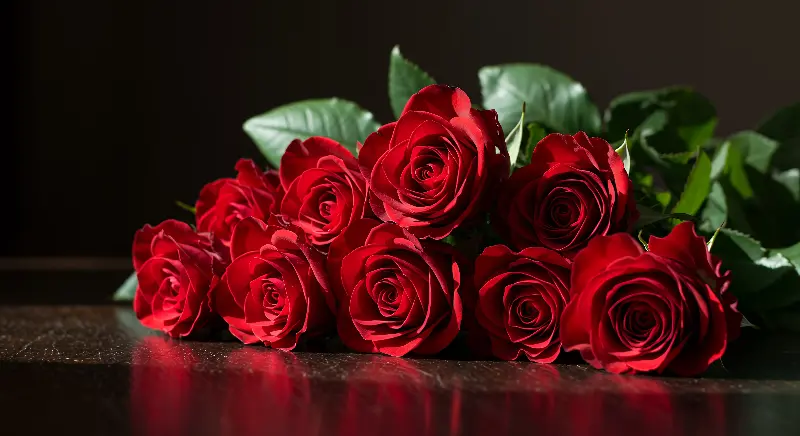
Today, red roses are exchanged not just on Valentine’s Day, but at engagements, weddings, anniversaries, and countless personal milestones. The trends around giving roses might change—sometimes it’s a grand bouquet, other times a single, perfectly chosen stem—but the core message remains: “I love you; you matter to me.”
Cultures put their unique spin on the tradition. In Bulgaria, red roses mark the arrival of spring. In Italy, lovers celebrate Saint George’s Day by exchanging roses and books. In South Korea, couples mark the 100th day of their relationship with red roses. Social media has amplified the tradition even further, with rose emojis spreading digital romance across screens worldwide.
The enduring appeal of the red rose isn’t just in its beauty, but in what it represents: a language that transcends words, a gesture that captures the most powerful of human emotions. Wherever petals fall, the message is clear—love, in all its complexity, still finds ways to bloom.