


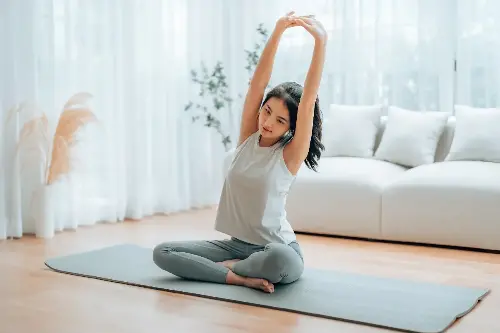
Whether you’re powering through a challenging HIIT session, squeezing in a morning run, or lifting weights at the gym, what you do after your workout can make all the difference. Many of us are guilty of dashing off after the final rep, stretch or squat, but skipping post-workout stretching is a fast track to stiff muscles, slower recovery and even injury. Making time for essential post-workout stretching is your backstage pass to maximum flexibility and swift recovery.
Why stretching matters after your workout
When you exercise, your muscles contract, shorten and tighten. This natural process can leave you feeling stiff and sore – a sensation known as delayed onset muscle soreness (DOMS). Stretching after exercise helps your muscles relax, lengthen and return to their resting state. It also helps increase blood flow, which in turn brings more oxygen and nutrients to tired muscles and speeds up the removal of metabolic waste.
Interestingly, studies have shown that consistent post-workout stretching improves joint mobility and helps keep tendons supple. For those who train regularly, this could mean fewer injuries and greater gains over time. Flexibility exercises also have the added perk of boosting your mood through the release of endorphins – perfect after a gruelling session.

Essential stretches for a full-body routine
A well-rounded post-workout stretching routine addresses all major muscle groups. Here are some classic stretches that deliver big benefits with minimal effort.
- Hamstring stretch: Sit on the floor with one leg straight and the other bent so the sole touches the opposite thigh. Reach forward toward your toes, keeping your back straight. Hold for 20–30 seconds. This stretch releases tension in the back of your legs, an area often tight from running, cycling or leg workouts.
- Quadriceps stretch: Standing tall, grab your right ankle behind you and gently pull it toward your glutes, keeping knees together. Hold onto a wall for balance if needed. Hold for 20–30 seconds, then switch legs. This helps to ease tightness from squats, lunges and many forms of cardio.
- Chest and shoulder stretch: Stand tall and clasp your hands behind your back. Gently lift your arms while opening up your chest and squeezing your shoulder blades together. Hold for up to 30 seconds. This is excellent for anyone who sits at a desk or has been lifting weights, as it counters hunching and rounds out your posture.
- Triceps and side stretch: Reach one arm overhead and bend the elbow, letting your hand fall between your shoulder blades. Use the other hand to gently pull on your elbow. Lean slightly to the opposite side for a deeper stretch down your ribcage and triceps. Hold for 20–30 seconds and repeat on the other side.
- Figure-four glute stretch: Lie on your back with both feet on the ground. Place your right ankle on your left knee, forming a “figure four”, and gently pull your left leg towards your chest. Hold for 20–30 seconds before swapping sides. This stretch works your glutes and hip flexors, wards off lower back pain and feels especially good after leg day.
- Calf stretch: Stand facing a wall, hands pressed against it. Place one foot behind, keeping your heel flat on the ground. Lean forward slightly and feel the stretch run down your back calf. Hold for 20–30 seconds before swapping.
The power of mindfulness in stretching
Stretching is not just about lengthening muscles; it’s also a moment for mindfulness. By focusing on your breath and engaging in slow, controlled movements, you help activate your parasympathetic nervous system – the part of your body responsible for calming down after stress or exertion. This mindful approach can contribute to lowered stress levels and a greater sense of well-being, making your post-exercise routine not just physically restorative but mentally rejuvenating as well.
Top athletes and physiotherapists alike recommend stretching as a key element in their recovery protocol for both body and mind. Think of it as a reward after a hard session and a ritual that signals to your body that it’s time to rest and repair.

Tips for the best post-workout stretch
Make stretching a non-negotiable part of your fitness regime. Aim for at least five to ten minutes after every workout, and focus on deep, slow breaths to get the full benefit. Never stretch cold muscles – always stretch after your session when your muscles are warm and supple.
Vary your stretches to maintain interest and address different muscle groups. Dynamic stretches (which involve gentle movement) can be performed after lighter sessions, while static stretches (those held longer) are perfect after intense or strength-based workouts.
Listen to your body and avoid pushing into pain; discomfort is normal, but pain can indicate a problem. If you’re ever in doubt or dealing with injury, invest in a session with a qualified physiotherapist or sports massage therapist to help tailor your routine.
Making stretching a habit will not only improve your flexibility and decrease your risk of injury, it will also make your next workout feel smoother, lighter and more enjoyable. Consider it the final, vital chapter of any training session – the cool-down that keeps you moving forward with confidence and comfort.