


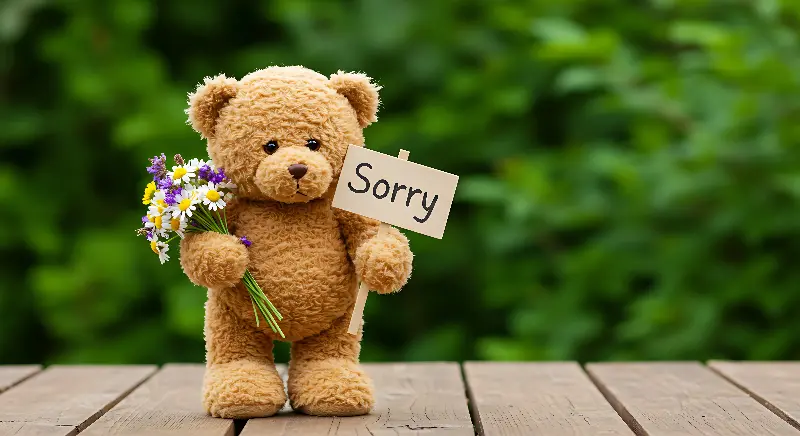
In a world where our lives play out as much online as they do offline, relationships are under new kinds of pressure. It's easier than ever to misread a message, make a careless comment, or let assumptions brew misunderstandings. In this whirlwind of digital and in-person connections, the art of a genuine apology isn’t just courteous—it has become essential. Honest apologies aren’t just about saying “I’m sorry”; they are the cornerstone that helps love and friendship survive and shine in modern times.
WHY APOLOGIES MATTER IN A FAST-PACED WORLD
Modern relationships face unique challenges. Our days are packed, and our attention is often divided between texts, emails, social media, and face-to-face interactions. Miscommunication and minor clashes are almost unavoidable. What separates lasting bonds from those that fizzle out isn’t a lack of mistakes, but the willingness to own up to them.
Research shows that couples and friends who demonstrate openness, humility, and responsibility through apologies tend to have stronger, more resilient relationships. The reason is simple: apologizing, especially without excuses or half-hearted intentions, signals that the relationship is valued above ego. In an age when cancel culture and ghosting can seem easier than resolving conflict, a sincere apology is radically honest—and radically healing.
THE PSYCHOLOGY BEHIND HONEST APOLOGIES
Saying “I’m sorry” is more than just words; it is a profound psychological exchange. Psychologists have found that genuine apologies contribute to emotional healing, increase mutual trust, and lower stress levels. When we apologize honestly, we acknowledge another person’s feelings and open the door for empathy.
The difference between a perfunctory apology and an honest one is striking:
- The Hollow Apology: "I’m sorry if you felt that way". This shifts the blame to the victim's reaction rather than the speaker's action.
- The Healing Apology: "I’m truly sorry for making you feel hurt. I understand how my actions affected you". This addresses the impact, not just the incident.

BREAKING THE CYCLES OF BLAME
One of the major traps in modern relationships is the cycle of defensiveness. Blaming, justifying, or avoiding responsibility may provide a quick escape from discomfort, but it chips away at intimacy. By contrast, a heartfelt apology interrupts this pattern and encourages vulnerability.
Vulnerability is notably attractive in both romantic relationships and friendships. Admitting flaws and seeking to repair damage demonstrates emotional maturity. It shifts the dynamic from “me vs. you” to “us vs. the problem.” This alignment—standing together to face conflict—strengthens bonds over time.
SOCIAL MEDIA AND THE NEW RULES OF ENGAGEMENT
Digital communication has added new layers to how we mend fences. Misunderstandings can be amplified online, where tone and nuance are lost in translation. Public apologies, group chats, and the permanence of screenshots demand greater sincerity and accountability.
Research by relationship experts highlights several key digital age "rules":
- Privacy Over Performance: Authentic apologies delivered privately foster deeper trust than public displays intended to "save face".
- Clarity Over Speed: While a quick response is good, taking a moment to ensure your tone is right is better.
- Accountability: When apologies are used as PR fixes, they ring hollow. Great relationships are built on the courage to speak authentically, even when no one else is watching.
THE RIPPLE EFFECT OF SINCERITY
The act of apologizing doesn’t just mend relationships with others—it enhances our own well-being, too. People who apologize honestly report:
- Lower Anxiety: Addressing wrongs clears the emotional weight of guilt.
- Higher Life Satisfaction: Healthy connections lead to a more stable sense of self.
- Improved Leadership: In professional environments, employees respect leaders who own their mistakes, leading to more effective team collaboration.
Furthermore, honest apologies set important examples for the next generation. Children who witness adults apologize authentically are more likely to develop strong empathy and advanced social skills.
