


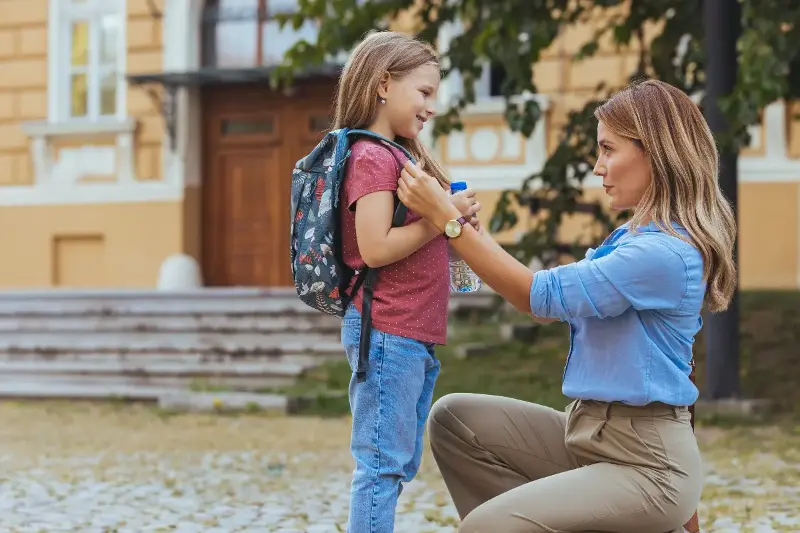
As the school bell rings for the first time, children step into a new world of learning, friendships, and growth. For both parents and little ones, these initial days can be an exciting yet anxious milestone. Knowing how to provide the right support can transform this transition into a joyful journey of discovery. By focusing on emotional stability and academic curiosity, you can help your child thrive from day one.
BUILDING EMOTIONAL READINESS AT HOME
A child’s confidence begins in the living room. Before the first day arrives, take time to prepare them for the journey ahead:
- Open Conversations: Talk through the daily schedule so your child knows exactly what to expect. Share your own positive stories about school to help them build a familiar, happy mental image.
- The Power of Role-Playing: Take turns acting out classroom norms—like raising a hand or sharing a toy—to make the school environment feel less intimidating.
- Normalizing Emotions: When your child feels nervous, validate their feelings. Phrases like “It is okay to feel nervous, everyone feels that way sometimes” help them understand that their emotions are manageable.
- Consistent Routines: Stable morning and bedtime rituals provide a sense of security. Preparing bags and clothes together the night before creates a calm, connection-filled start to the day.
FOSTERING INDEPENDENCE AND RESILIENCE
School is often a child’s first major taste of independence. Encouraging autonomy builds a strong sense of self-worth:
- Small Wins: Let your child carry their own backpack or organize their supplies. Celebrate these tiny milestones with enthusiastic words of encouragement.
- Learning from Setbacks: When challenges arise, emphasize the effort rather than the result. Say, “I love how you tried something new today!” to teach them that overcoming obstacles is part of growing.
- Empowered Choices: Allow your child to make simple daily decisions, such as picking their snack or choosing their shoes. Research shows that children who feel in control adapt more quickly to new environments.

CREATING ACADEMIC CURIOSITY EARLY ON
Cultivating a love for learning is a natural extension of home life:
- Daily Reading: Reading together is the single most effective way to spark curiosity. Select books about school to help your child visualize their new adventure.
- Playful Learning: Incorporate counting games, puzzles, or simple science experiments into playtime. The goal is to keep the atmosphere relaxed and fun rather than pressuring them for "correct" answers.
- Teacher Partnership: Attend orientation sessions and share insights about your child’s interests with their teacher. This helps your child feel seen and supported by both home and school.
NURTURING SOCIAL SKILLS AND FRIENDSHIPS
Friendships are the heartbeat of the school experience. You can help your child navigate this new social landscape:
- Social Practice: Role-play how to introduce themselves or how to politely ask a peer to play.
- Building Empathy: Discuss the importance of kindness. Encourage them to invite someone playing alone to join their game.
- Focus on Connection: Ask questions about their day that highlight positive interactions, such as who they sat with at lunch or what game they laughed over during recess.
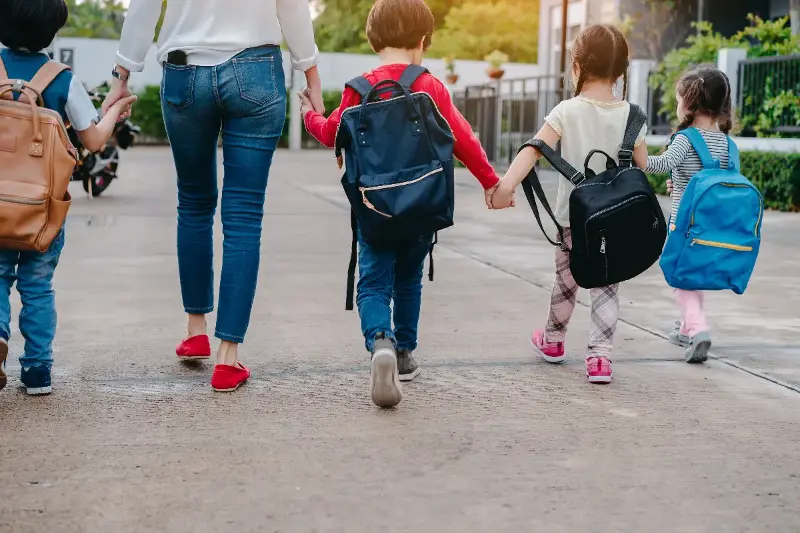
DEALING WITH SEPARATION ANXIETY
Parting on the first day can be challenging, but a structured approach can make all the difference:
- Goodbye Rituals: Develop a special hug or secret handshake that makes parting feel safe and loving.
- Keep it Brief: Keep goodbyes short, calm, and upbeat. Lingering can inadvertently signal that the school environment is a place of distress.
- The Safety Net: Emphasize that you will be there to hear all about their day afterward. Reassure them that missing home is natural, but that school is where they build their own wonderful, independent memories.
With patience, empathy, and a sprinkle of playfulness, you can turn this milestone into a solid foundation for a lifetime of confident learning.