



Alongside the world’s rolling rails, some of the grandest wonders of architecture have quietly stood for generations. Train stations are more than just transit points; in many cities, they are the first places to welcome visitors, acting as storied witnesses to both local history and global culture.
From dazzling glass domes to ornate facades echoing the style of centuries past, these stations are genuine works of art. They represent a time when travel was an event, and the buildings that housed it were designed to reflect the ambition of a nation.
The Romance Of The Rails
There’s something inherently romantic about train travel—rolling through diverse landscapes and hearing the rhythmic clickety-clack beneath your seat. But before the journey even begins, the stations themselves captivate travelers with their stately beauty.
Many of the world’s most beautiful train stations were built during the Golden Age of Rail, when designers spared no detail to make these places:
- Symbols of Civic Pride: Reflecting the wealth and culture of the host city.
- Engineering Feats: Showcasing the cutting-edge use of iron and glass.
- Narrative Spaces: Using art and sculpture to tell a country's story.

Grand Central Terminal: The Beating Heart Of New York
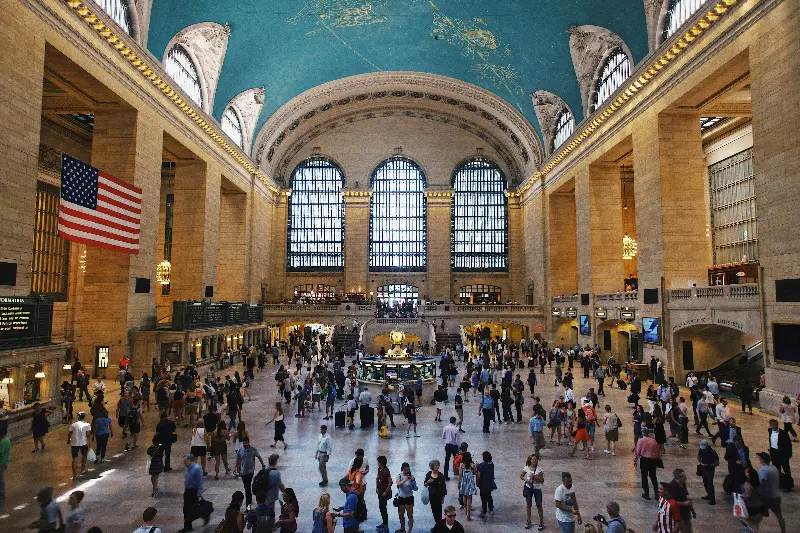
Few stations rival the star power of Grand Central Terminal. Opened in 1913, its Beaux-Arts design is famous around the globe, partly thanks to its appearance in countless Hollywood films.
Inside, an immense celestial ceiling arches above the main concourse, painted with gold-leaf constellations. Massive windows let sunshine cascade into the building in dramatic shafts, while elegant chandeliers illuminate marble staircases.
Key Feature: The four-faced opal clock atop the information booth is estimated to be worth between $10 million and $20 million.
St. Pancras International: London’s Victorian Jewel
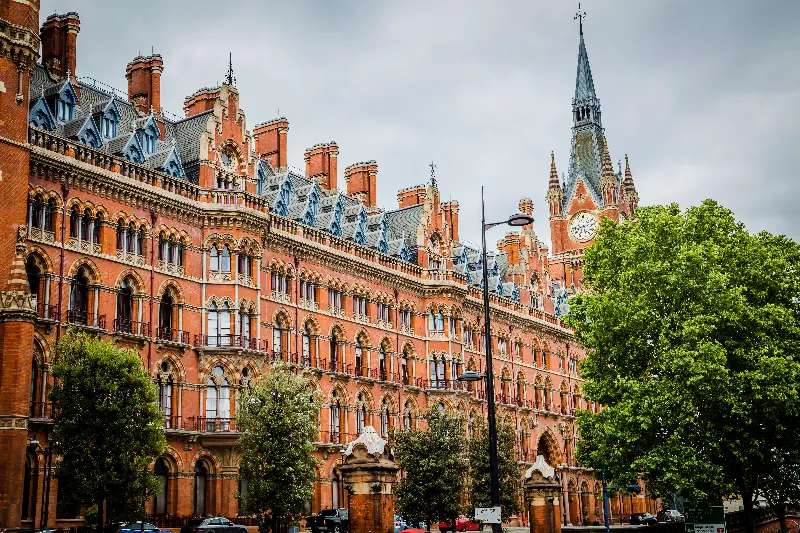
Arriving in central London is a breathtaking experience thanks to St. Pancras International. Completed in 1868, the station showcases Victorian Gothic Revival at its most dramatic, featuring pointed arches, dazzling tilework, and grand spires.
The adjoining Midland Grand Hotel adds a touch of red-brick fantasy to the skyline. Inside, the station’s glass and iron train shed was years ahead of its time, allowing natural light to drench the platforms where Eurostar services now connect London to Paris and Brussels.
Antwerp Central Station: The Railroad Cathedral
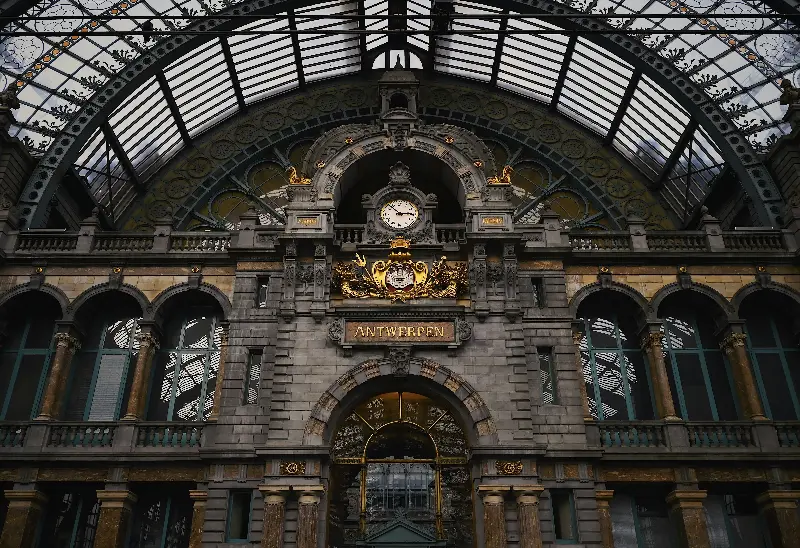
If Belgium’s Antwerp Central seems vaguely palatial, that’s by design. Locals call it the “Railway Cathedral” for its lavish central hall, which fuses stone, iron, and glass in an Art Nouveau delight.
Completed in 1905, the station features:
- Soaring Domes: Creating an atmosphere of religious awe.
- Grand Marble Staircases: Often cited as the most photographed stairs in the rail world.
- Modern Renovation: A 21st-century update that integrated high-speed tracks without compromising the historic facade.
Gare Du Nord: Parisian Grandeur And Global Connections
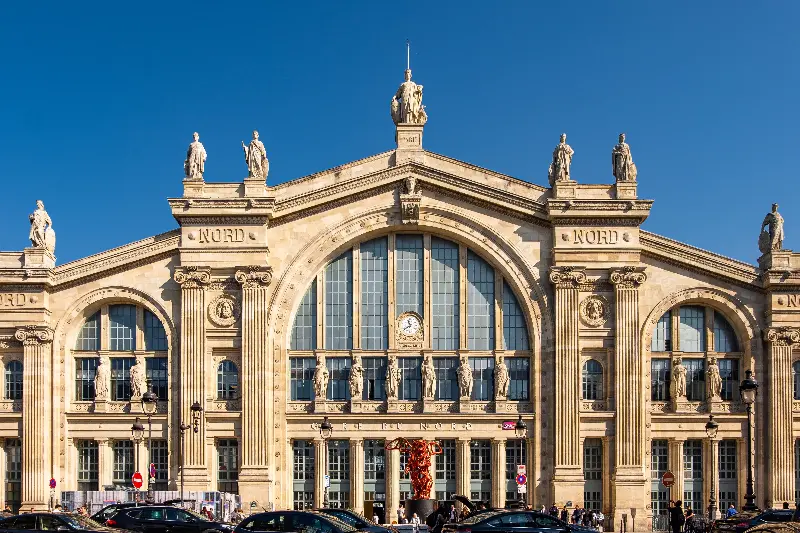
Every day, more than 700,000 people pass through Paris’ Gare du Nord, Europe’s busiest station. Its 1864 façade is adorned with twenty-three statues representing northern French towns and major European cities, framed by majestic columns.
The spectacular glass canopy over the platforms lets the soft Parisian light flood in, creating a transit hub that feels more like a grand gallery. Its place in art and literature—from the writings of Victor Hugo to modern cinema—cements its status as a site where history and modern life intersect.
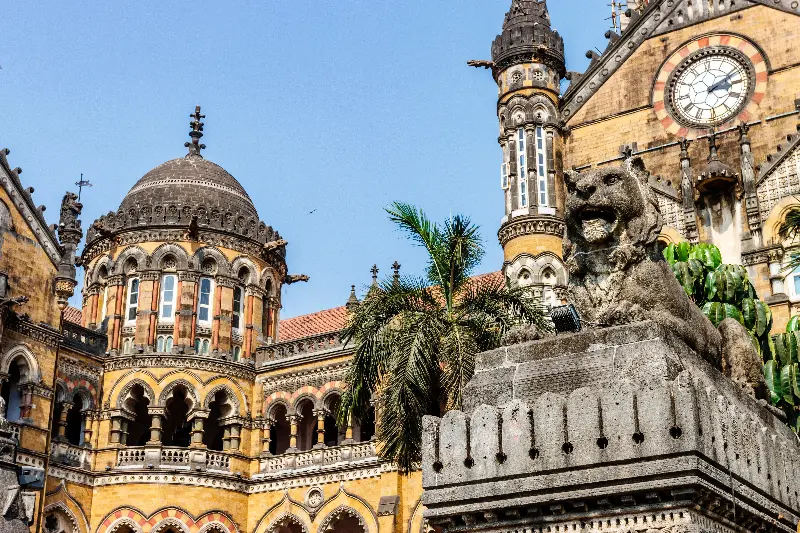
Chhatrapati Shivaji Maharaj Terminus: Mumbai’s Gothic Masterpiece
Stepping into this iconic station is like walking into a living relic of the British Raj married with Indian craftsmanship. Completed in 1887, this UNESCO-listed landmark is a joyful mashup of Victorian Gothic and traditional Indian architecture.
Floral friezes, stained glass, and carved stone domes meet turrets, arches, and flying buttresses. Originally called Victoria Terminus, it remains a focal point for the city’s pulse. Its illuminated façade at night is an unforgettable sight that glows like a jewel in the heart of Mumbai.
São Bento Station: Porto’s Painted Storybook
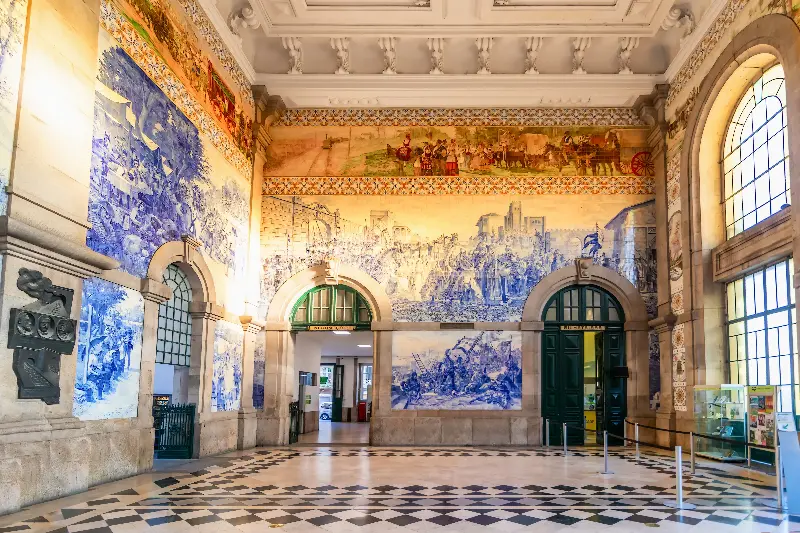
Portugal’s São Bento Station enchants visitors with its blue-and-white azulejo tiles. These masterpieces cover the main hall and transform a daily commute into an art history lesson.
Some 20,000 tiles, meticulously painted by Jorge Colaço, depict:
- Historic Conquests: Significant battles that shaped Portugal.
- Royal Greetings: Moments of diplomatic grandeur.
- Rural Festivals: Celebrating the soul of the Portuguese people.
Tokyo Station: Blending Past And Future
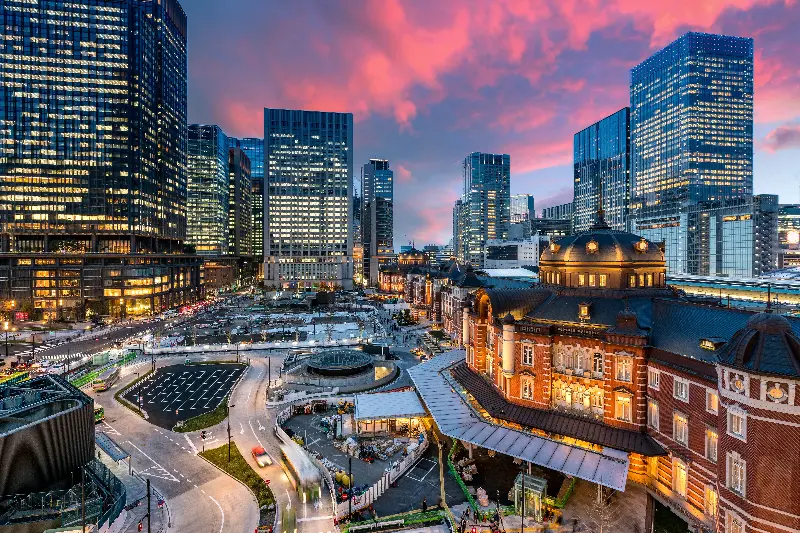
Amidst Tokyo’s futuristic cityscape, its historic station stands as a refined blend of tradition and technique. Opened in 1914, Tokyo Station is known for its striking red-brick Renaissance architecture and elegant domes.
Over the decades, it survived wars and fires, and a recent meticulous restoration brought it back to its early 20th-century glory. Hidden beneath this historic shell is a vast, ultra-modern network serving millions daily, underscoring the station’s role as a bridge between the eras of steam and Shinkansen.
Living Landmarks For The Future
These stations are more than grand waiting rooms—they are collective memory and ambition written in stone, steel, and glass. As rail travel enjoys a renaissance driven by eco-conscious travelers and those who savor the journey, these architectural marvels continue to inspire awe. Next time you travel by train, take a moment to look around—the walls may just have a beautiful story to tell.