


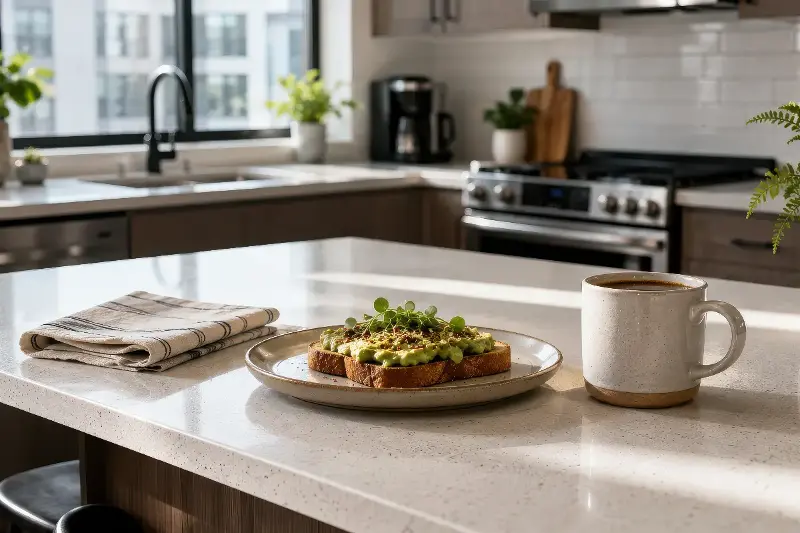
A tiny kitchen can still produce food that feels polished, generous, and worthy of a favourite neighbourhood restaurant. The secret is not a wall of appliances or a sprawling worktop. It is choosing recipes with layered flavour, using every pan intelligently, and treating simple ingredients with a little extra care. A single burner, a compact oven, and a sharp knife can go surprisingly far.
Restaurant cooking often relies on small details:
- A bright finishing sauce that cuts through richness
- A crisp garnish for contrasting texture
- A balance between creamy and crunchy elements
- Smart, controlled use of heat
Building Flavour with a Compact Pantry
A compact pantry works best when it contains ingredients that perform several jobs. Olive oil, butter, lemons, garlic, onions, dried chilli, soy sauce, Dijon mustard, tomato paste, and a good vinegar can turn basic vegetables, eggs, pasta, and beans into memorable meals.
Smart Ingredients That Elevate Simple Cooking
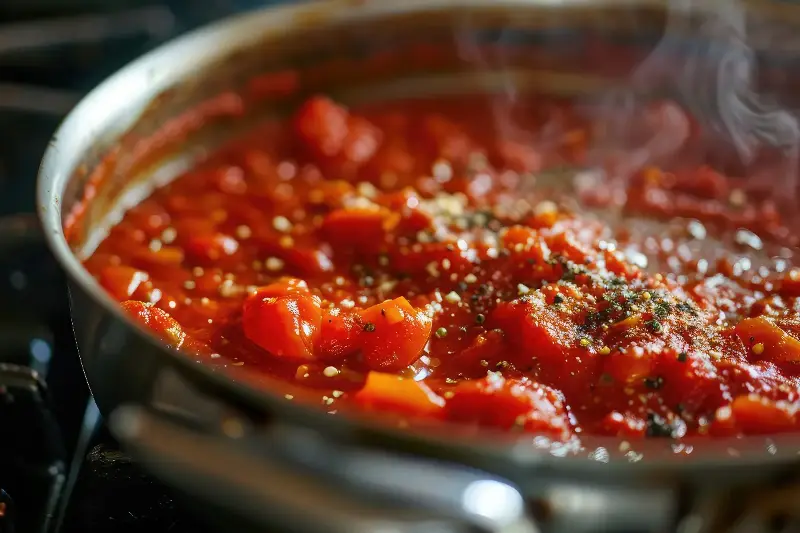
- Tomato Paste: Frying it in oil for one or two minutes caramelises its natural sugars and creates a deeper, almost slow-cooked flavour. Stir it into pasta sauces, soups, lentils, or a quick pan sauce for chicken.
- Fresh Lemons: A squeeze of lemon at the end of cooking makes rich food taste lighter without adding another complicated component.
- Crunchy Toppings: Keep a mixture of toasted breadcrumbs, lemon zest, parsley, and a pinch of salt in a jar. They are excellent over pasta, roasted vegetables, creamy beans, and fried eggs—turning stale bread into an asset.
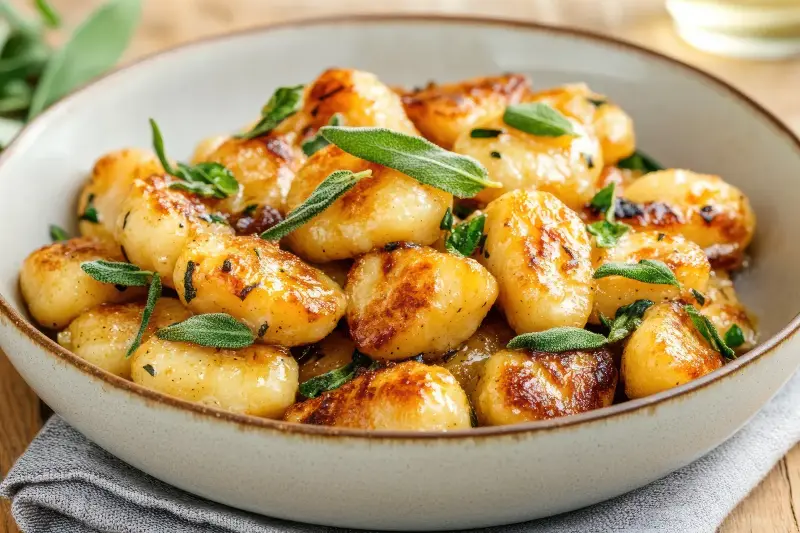
Crispy Gnocchi with Burst Tomatoes and Lemon Crumbs
This one-pan dish delivers the comforting appeal of a boutique bistro meal while leaving very little washing up.
Use shelf-stable potato gnocchi, which can be pan-fried directly instead of boiled:
- Heat two tablespoons of olive oil in a large frying pan over medium-high heat.
- Add 500 grams of gnocchi in a single layer and cook for six to eight minutes, turning occasionally, until golden and crisp.
- Push the gnocchi to one side. Add 250 grams of cherry tomatoes, one finely sliced garlic clove, and a pinch of chilli flakes.
- Cook until the tomatoes soften and split. Add a splash of water, scrape up the browned bits from the pan, then fold everything together with a handful of spinach.
- Finish with fresh lemon juice, grated parmesan, and your toasted lemon breadcrumbs.
Chef's Tip: If your pan is small, cook the gnocchi in two batches. Overcrowding traps steam and prevents the golden crust that makes this recipe work.
Quick and Silky Pan Sauces
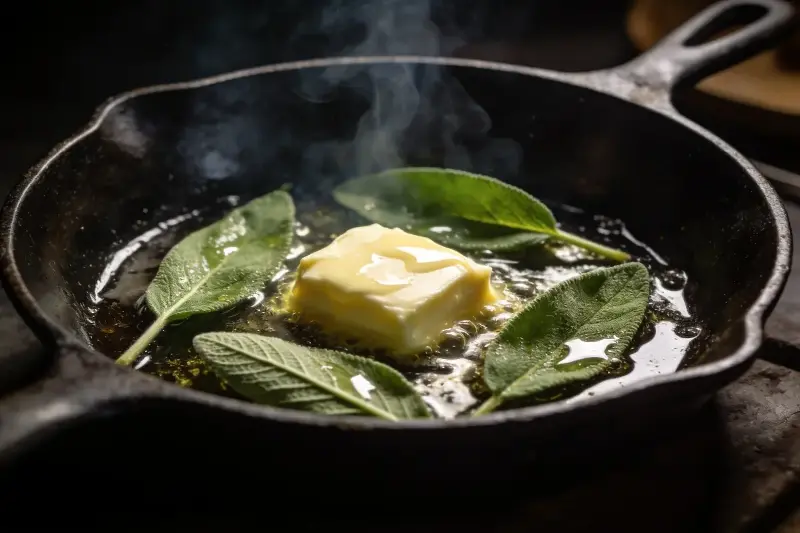
At home, a glossy, restaurant-style sauce can be made in the same skillet used for cooking fish, chicken, mushrooms, or tofu.
Once the main ingredient is cooked, remove it to a warm plate and lower the heat:
- Add a small knob of butter, a minced shallot or garlic clove, and cook briefly.
- Pour in 80 millilitres of vegetable stock, water, or a teaspoon of Dijon mustard.
- Simmer until reduced by about half, then whisk in another small piece of cold butter for a silky emulsified finish.
Try it with seared salmon and green beans: Cook the salmon skin-side down for four to five minutes, then turn for only one minute. The skin becomes crisp while the flesh stays moist. Add capers and lemon to the pan sauce for a bright, briny finish.
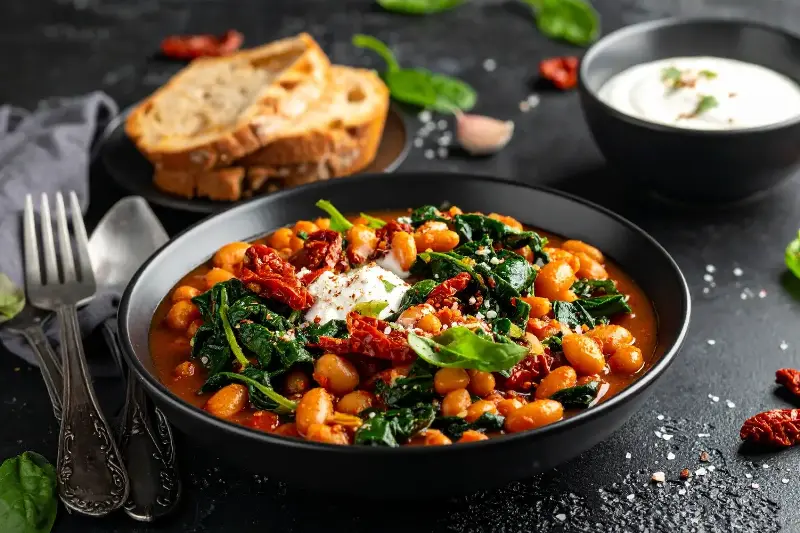
Transforming Beans into a Luxurious Main Course
Canned beans are one of the most space-efficient ingredients in modern cooking. They are inexpensive, shelf-stable, and rich in fibre and plant protein.
To make creamy garlic beans:
- Warm olive oil in a saucepan and gently cook two sliced garlic cloves until fragrant.
- Add one drained can of cannellini beans, 120 millilitres of stock, and a small handful of grated parmesan.
- Crush some of the beans against the side of the pan with a spoon—as they break down, they thicken the liquid into a creamy sauce.
Fold in spinach or kale, season with black pepper, and add lemon zest. Serve in shallow bowls with toasted bread, a fried egg, or roasted mushrooms. A spoonful of chilli crisp adds heat and texture, creating a dish that feels both comforting and contemporary.
Kitchen Efficiency and Organisation
In a small kitchen, organisation is part of the recipe. A magnetic knife strip, a wall-mounted rail for utensils, or a slim shelf above the counter can free valuable work space. Keep a bowl beside your chopping board for vegetable scraps to prevent clutter.
Restaurant cooks practise mise en place (everything in its place):
- Chop the garlic
- Open the cans
- Measure spices
- Stage plates near the stove
Cooking becomes calmer, faster, and safer when ingredients are prepped before turning on the heat. In the smallest kitchen, creativity is not a compromise—it is the secret ingredient that makes dinner feel truly special.