


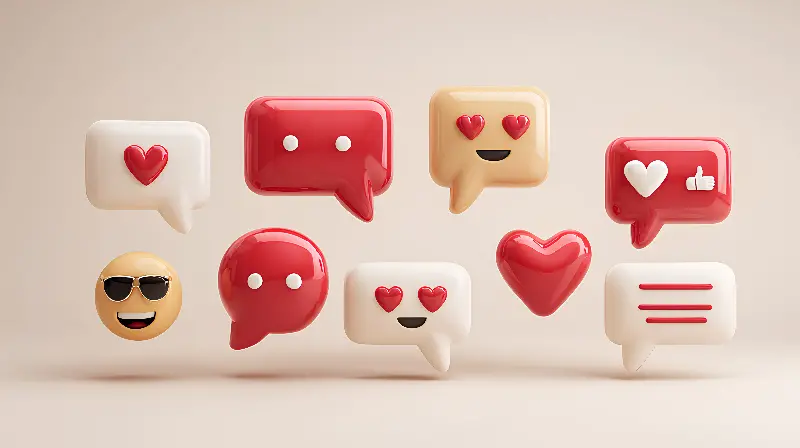
Social media is no longer just a platform for sharing pictures, connecting with friends, or following influencers—it has become a powerful driver of change in the way we use language and communicate with one another. For today’s generation, especially young people, digital platforms are shaping how words are created, messages are sent, and emotions are expressed. From emojis replacing words to entirely new languages emerging online, the digital landscape is constantly redefining culture and communication.
A New Era Of Language Creation
It’s easy to spot how social media platforms like Twitter, TikTok, and Instagram have changed the language we use every day. A whole crop of new words and expressions has blossomed in the digital world. Take the term “selfie”—barely more than a decade old, but now so common that it appears in major dictionaries. Other expressions, like “DM me” (send me a direct message), “FOMO” (fear of missing out), and “viral,” which now refers to rapid online popularity, have become universal terms with roots in digital culture.
A remarkable aspect of these new words is how quickly they spread. In the past, language changes were often slow, evolving over decades or centuries. Today, a meme or catchphrase can go global in days, thanks to the rapid-fire sharing and remixing that happens online. Social media has democratized language creation—anyone, anywhere in the world, can invent a new word or phrase and, if it resonates, see it adopted worldwide.
The Rise Of Visual Language
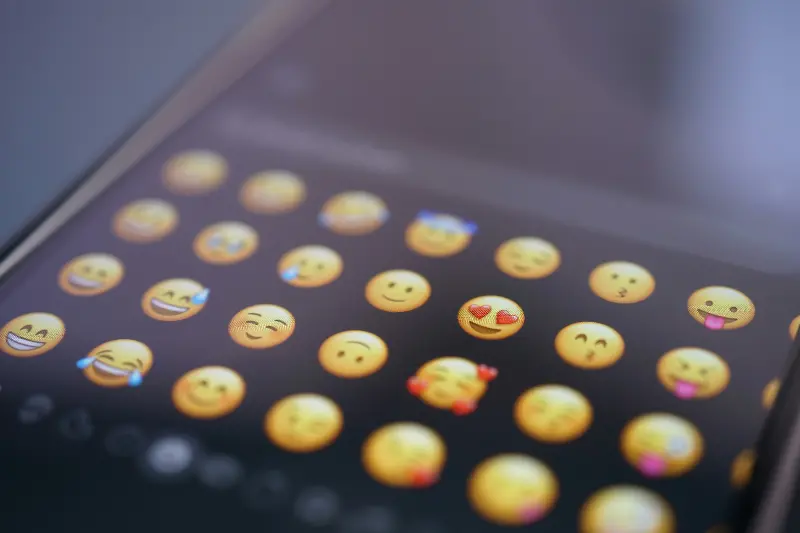
While written language is a core part of communication on social media, it’s being complemented—and sometimes replaced—by a new, highly visual form of expression. Emojis, GIFs, memes, and stickers are now central to online conversations. Emojis, for example, have become a universal shorthand for emotion, tone, and reaction. It’s said that the “face with tears of joy” emoji is one of the most-used characters worldwide. What was once a static list of faces and symbols has become a nuanced, sometimes even playful, system of digital body language.
Visual communication isn’t just about convenience—it can also help bridge language barriers between people who speak different tongues. Sending a heart or a laughing emoji requires no translation, and can instantly express a feeling or intent to anyone, anywhere. For many young people, combining text with images and symbols is a natural way of communicating, often faster and more expressive than typing out full sentences.
Shorter Attention Spans, Shorter Messages
The immediacy of social media is encouraging people to keep their messages short. Platforms like Twitter, with its character limit, and the fast-paced nature of Snapchat and TikTok, promote quick, bite-sized bursts of communication. The traditional rules of grammar and spelling have given way to abbreviations, acronyms, and creative shorthand forms. “LOL,” “BRB,” “ICYMI,” and other abbreviations have moved from teenage slang to mainstream usage, even in some professional settings.
This tendency towards brevity doesn’t necessarily signal a decline in language—but rather, a shift in how we convey meaning. Conciseness is now valued, and getting your point across quickly is a prized skill. It also means that messages often rely on shared context, inside jokes, or common references—a “language” within a language, understood best by those who spend time in the same digital spaces.
Creating And Reinforcing Communities
One of the most positive cultural transformations driven by digital language is the way it helps form and solidify communities. Each online group or fandom organically develops its own slang, references, and inside jokes. A simple phrase can carry deep meaning within a community, instantly signaling membership or connection. Whether it’s gamers using “GG” for “good game,” K-pop fans using specific hashtags, or niches on Reddit inventing their own lingo, digital language strengthens bonds by making conversations more personal and meaningful.
Social media also gives people from diverse backgrounds a chance to learn from and borrow linguistic elements from each other. Trends like “stan” culture (fan devotion) or words borrowed from African American Vernacular English (AAVE) reflect how digital language can be a melting pot, mixing and remixing elements from various sources worldwide.
Challenges And Criticism
Of course, the transformation of language online isn’t without controversy. Some traditionalists worry that the casual style of online writing is “ruining” grammar or spelling skills. Educators debate how new forms of expression—like emojis or text-speak—should be handled in classrooms. And while language change itself isn’t new, the speed of change online can make it hard for generations to keep up or for meanings to be consistently understood.
Another concern is the creation of echo chambers, where closed communities develop language so exclusive that outsiders find it difficult to join or communicate. Yet, overall, the evidence suggests that online language is flexible, adaptable, and—in many cases—promotes creativity and belonging.
Looking Ahead: Culture In Motion
As the digital world continues to evolve, so too will our ways of communicating. What makes the current transformation so fascinating is its inclusivity—anyone with an internet connection can participate in shaping language and culture. Social media isn’t just a tool for connecting; it’s a living laboratory for language change.
The next time you send an emoji, make a meme, or invent a hashtag, remember: you’re taking part in an exciting, ongoing story. The language of today’s generation is more vibrant and expressive than ever before, reflecting how digital culture is reinventing the very concept of communication.