


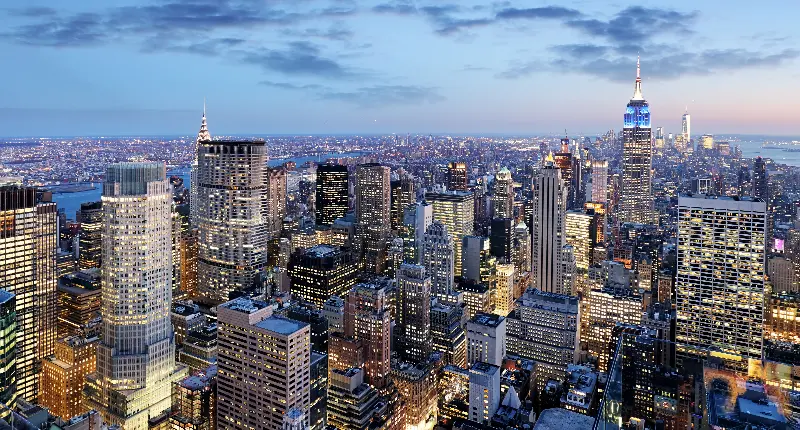
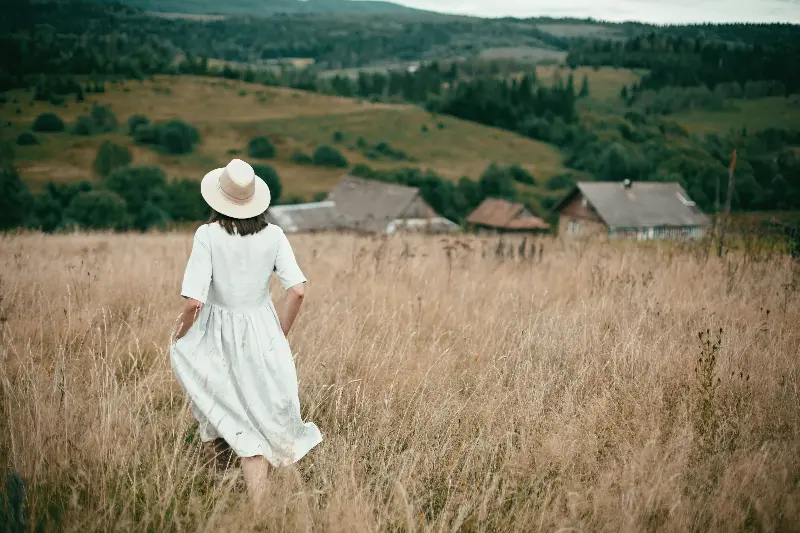
For city dwellers grown weary of relentless routines—and countryside dreamers craving a taste of urban life—the semi-nomad lifestyle holds an undeniable allure. Imagine spending six months surrounded by the hum of cafes, the quick pace of work, and the thrill of cultural events, only to swap it all for half a year of rural calm, expansive skies, and homegrown veggies.
This blend of urban and rural living is no longer just a fantasy; it is fast becoming a practical, life-enhancing choice for those who want the best of both worlds. But is it right for you?
REDISCOVERING BALANCE: THE RISE OF THE SEMI-NOMAD
Today’s working world is anything but static. Remote employment, the gig economy, and digital connectivity mean more people than ever are free to choose where and how they live. For many, the monotony of city commutes and high urban costs are strong motivators to seek alternatives.
Interestingly, this lifestyle mirrors historical traditions. Countless cultures, from Mongolian herders to Mediterranean farmers, have thrived on semi-nomadism for centuries, following the cycles of weather and harvest.
- The Modern Twist: Technology makes this possible today.
- The Tools: A laptop, video calls, and portable Wi-Fi allow for a seamless transition between a bustling apartment in Madrid and a remote Scottish cottage.
- The Goal: A compromise between permanence and spontaneity that offers the chance to reset every few months.

CITY AND COUNTRYSIDE: COMPLEMENTARY WORLDS
Living half a year in each environment provides a variety that many long for but never dare to try. These two worlds offer distinct, yet complementary, benefits:
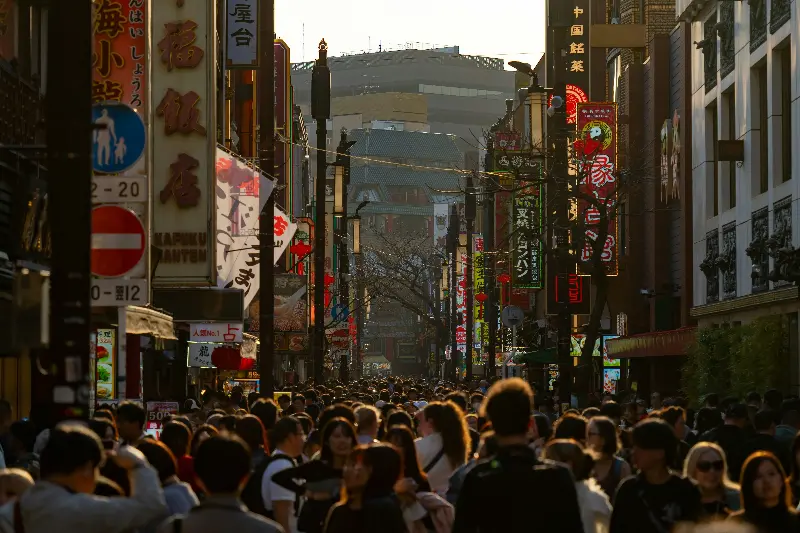
- Urban Vibrancy: Cities are celebrated for their economic opportunities, social networks, cutting-edge dining, and endless entertainment. This is the season for networking, soaking in cultural energy, and pushing professional boundaries.
- Rural Reflection: The countryside offers slower rhythms, connection with nature, and physical space. This transition provides an opportunity for reflection and reconnection—with oneself and the environment. Many creatives swear by this cycle: six months of city culture to spark ideas, followed by six months of rural quiet to finish the work.
FINANCIAL BENEFITS: RETHINKING THE COST OF LIVING
One surprising draw of the semi-nomad approach is its potential for significant savings. While city rentals are notoriously expensive, countryside accommodations can be far more affordable.
- Strategic Housing: Some semi-nomads sublet their city apartments during their rural "off-season" to cover costs.
- House Sitting: Swapping homes or arranging long-term house sits can result in nearly free accommodation.
- Lower Daily Costs: Living simply in the country—growing your own vegetables and cycling instead of driving—can dramatically cut monthly spending.
For families, this can mean a healthier lifestyle with less financial stress and access to unique educational opportunities, from metropolitan museums to outdoor survival skills.
PRACTICALITIES AND CHALLENGES: MAKING THE LEAP
As thrilling as it sounds, the semi-nomad life requires serious planning and flexibility. It is not as simple as packing a bag and leaving. Key logistical considerations include:
- Utilities & Storage: Managing contracts and personal belongings across two locations.
- Digital Infrastructure: Ensuring a rock-solid internet connection in rural spots is vital for remote work.
- Community Building: It takes intentional effort to build a sense of belonging in two different places.
Socially, while it may seem difficult, many report developing deeper friendships. Time apart fosters anticipation and the intent to truly connect when they return.
A GLOBAL MOVEMENT: WHO IS LEADING THE WAY?
The semi-nomad trend is gaining traction with a diverse cast of characters. Young professionals seek rest from the "hustle culture," while mid-career creatives look for a reprieve from distractions. Even retirees and families are diving in, giving children memories of both multicultural classrooms and wild meadows.
Several countries are responding with special visas for remote workers:
- Spain & Portugal: Popular for their blend of historic cities and coastal retreats.
- Italy: Offering incentives for those moving to smaller, rural villages.
- Local Businesses: Co-working spaces and pop-up markets are increasingly catering to these periodic residents.

COULD THIS BE YOUR DREAM LIFESTYLE?
At its heart, the semi-nomadic way is about quality of life, not just ticking travel boxes. It’s about savoring contrasts—the exhilarating rush followed by the slow pleasure of existence. For many, this rhythm brings the freedom to reinvent routines and live more deliberately.
Is it an easy shift? Not always. Yet, with a willingness to adapt, the rewards can be life-changing. Perhaps the real dream is not picking between city and country, but embracing both—on your own, ever-evolving terms.