



If we think back to how classrooms traditionally looked, it’s likely that we imagine rows of students quietly taking notes while a teacher talks at the front. This scene has remained unchanged in many places for decades. But the winds of change are blowing through education, and active learning methods are stealing the spotlight. This shift isn’t just a fleeting trend—it’s rewriting the way students engage with knowledge, transforming them from passive listeners into proactive participants. Let’s dive into why this transformation is gaining momentum, and how it’s reshaping the student experience for the better.
Rethinking Classroom Energy: What Is Active Learning?
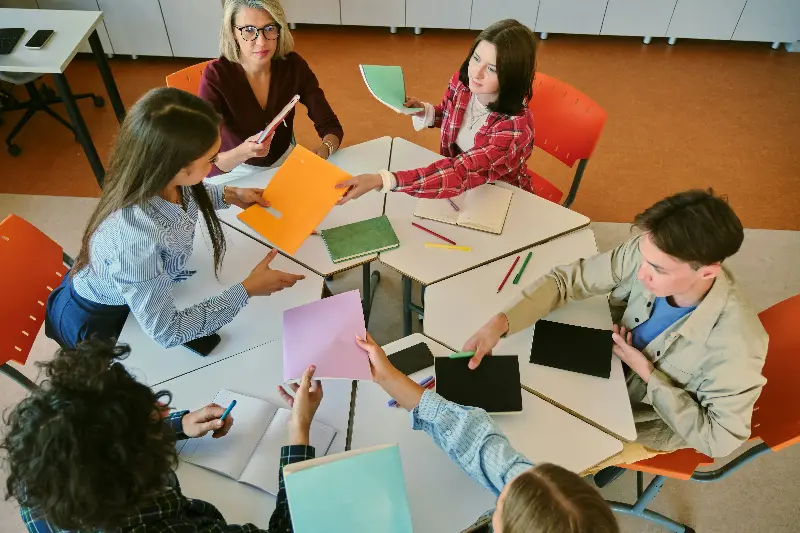
Active learning moves away from the typical model of students simply receiving information. Instead, it puts the learner at the center of the action. In an active learning environment, students don’t just sit back and absorb; they discuss, debate, question, experiment, and collaborate. Techniques can range from group projects and real-world simulations to hands-on experiments and peer teaching sessions.
Think of it as moving from watching a cooking show to actually preparing a meal. The difference in engagement and retention is huge. When you roll up your sleeves and get directly involved, you learn by doing—something the old system often missed.
Scientific Support: Why Active Learning Works
There’s plenty of science backing up the benefits of active learning. Studies consistently show that students involved in active learning techniques perform better in comprehension, retention, and even in final test scores. According to a landmark analysis in the Proceedings of the National Academy of Sciences, students taught with active learning methods were 1.5 times less likely to fail than those taught by traditional lectures.
This isn’t just about memorizing facts; it’s about understanding concepts deeply and being able to apply them in diverse ways. Active learning taps into higher order thinking skills, promoting analysis, synthesis, and evaluation rather than simple recall.
Boosting Motivation And Confidence
One of the often-overlooked benefits of active learning is its positive impact on student motivation and self-belief. Many students disengage from subjects that feel abstract or irrelevant. But when lessons become interactive—say, analyzing current issues in social studies or using creative problem-solving in math—students see real-world connections to what they’re learning.
Activities like role plays, debates, and collaborative problem-solving allow students to take ownership of their learning. This sense of ownership translates into greater motivation to explore, ask questions, and push boundaries. When students see they can master complex ideas by actively working through them, their confidence soars.
Collaboration: Learning From Each Other
In traditional classrooms, interaction is often one-sided: teacher to student. Active learning flips this dynamic, encouraging students to learn from one another. Group projects, peer reviews, and team-based challenges foster communication and collaboration skills that are vital for success in both academic and professional life.
This collaborative approach isn’t just about teamwork. Students gain exposure to diverse perspectives and learn how to articulate their ideas clearly, negotiate, and resolve conflicts—all while deepening their understanding of the subject matter. In a rapidly globalizing world that values soft skills, these experiences are priceless.

Critical Thinking For The Real World
A major criticism of passive learning is that it leaves students unprepared for real-life problem-solving. The world outside the classroom rarely offers problems with neat, right-or-wrong answers. Active learning, with its emphasis on questioning, exploration, and iterative problem-solving, mirrors these real-life challenges more closely.
For example, in science classes, students might be tasked with designing an experiment to test their own hypothesis, rather than following a set of rigid instructions. In literature, they might debate differing interpretations of a novel. Such activities teach critical thinking, adaptability, and creativity—qualities that are highly valued by employers in today’s job market.
Technology’s Role In Active Learning
Modern technology has turbocharged active learning methods, especially in hybrid and remote settings. Digital platforms enable group brainstorming, virtual simulations, instant quizzes, and real-time feedback. Apps and online resources allow for flipped classrooms, where students engage with core content at home and spend classroom time applying what they’ve learned in group activities.
This digital shift caters to a range of learning styles. Visual learners might flourish with interactive diagrams, while auditory learners might prefer podcasts or recorded lectures followed by class debates. Technology, used thoughtfully, can personalize the learning experience, making education more inclusive and engaging.
Breaking The Fear Of Mistakes
Perhaps one of the most liberating aspects of active learning is that it normalizes making mistakes. Rather than penalizing errors, active classrooms treat them as learning opportunities. When students grapple with real-life scenarios, it’s natural to stumble, adjust, and try again. This growth mindset not only reduces anxiety but also encourages a healthy attitude toward intellectual risk-taking.

Embracing The Shift For Lifelong Benefits
The benefits of shifting from passive to proactive learning stretch far beyond exam scores. Students become more inquisitive, engaged, and equipped to tackle the complex problems of our time. They learn not just for the test, but for life—building adaptability, resilience, and a passion for genuine discovery.
As education continues to evolve, active learning methods stand as a beacon for a brighter, more empowering future for students. The time to make classrooms buzz with energy and curiosity has arrived—where every student becomes, not just a recipient of knowledge, but an energetic explorer.