


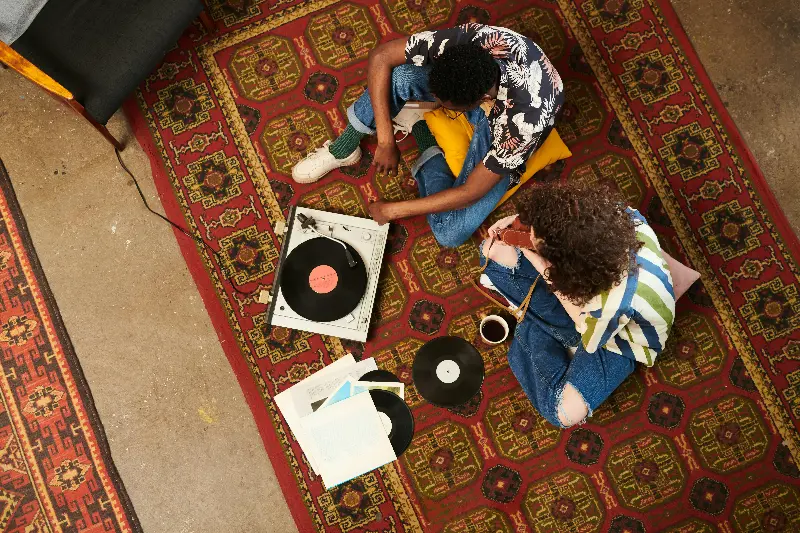
There is a new wave of style sweeping through both closets and living rooms—and it is not coming from glossy magazines or brand-new store windows. From mid-century teak sideboards in airy lofts to 1970s vinyl records spinning on a refurbished turntable, antiques and secondhand treasures are redefining modern aesthetics.
The thrill of discovery and the allure of nostalgia have never been more appealing. But why are these relics from the past—ranging from analog cameras to hand-carved oak tables—suddenly stealing the spotlight from their shiny, factory-fresh counterparts? Let’s dig into the heart of this cultural obsession.
THE RISE OF THE VINTAGE LIFESTYLE
Classic pieces are no longer just for collectors or the niche thrift enthusiast. Everywhere from Instagram to top design blogs, vintage finds are gaining cult status as the ultimate statement-makers. A 2023 survey from the resale platform thredUP showed that nearly 60% of shoppers had bought secondhand in the previous year.
The market for pre-owned goods is booming because it offers:
- Individuality: In an era of mass-produced "fast" goods, people crave items with a soul and a story.
- Character: Whether it’s the warm crackle of a vintage LP or the unique patina on a brass lamp, these items evoke memories.
- Personal Narrative: Instead of blending in with "catalogue" homes, antiques help owners express a curated, one-of-a-kind identity.
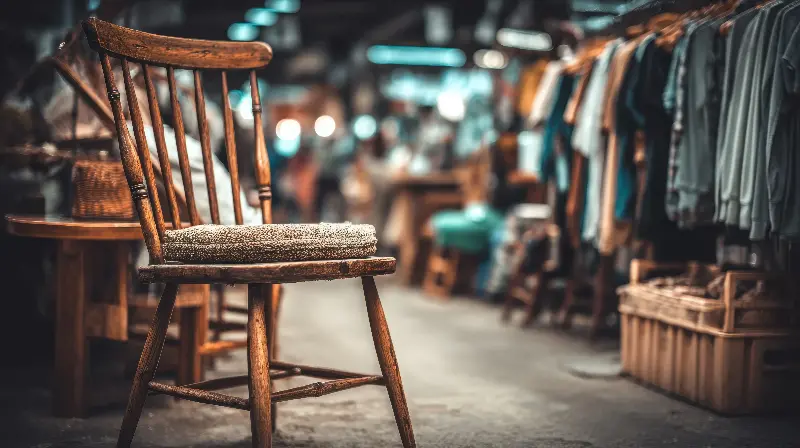
SUSTAINABILITY WITH STYLE
One of the biggest drivers behind this obsession is the sheer sustainability factor. Fast fashion and "flat-pack" furniture produce staggering amounts of waste. On average, consumers toss out 81 pounds of textiles each year, while cheaply made furniture often clogs up landfills after just a few years of use.
Turning to vintage finds represents a meaningful counterbalance. When you buy a preloved typewriter, wool coat, or ceramic vase, you are:
- Extending Lifespans: Keeping functional beauty out of the waste stream.
- Reducing Carbon Footprints: Cutting emissions by up to 80% compared to buying new, as you bypass the high-energy manufacturing process.
- Greener Future: Contributing to a circular economy without sacrificing personal flair.
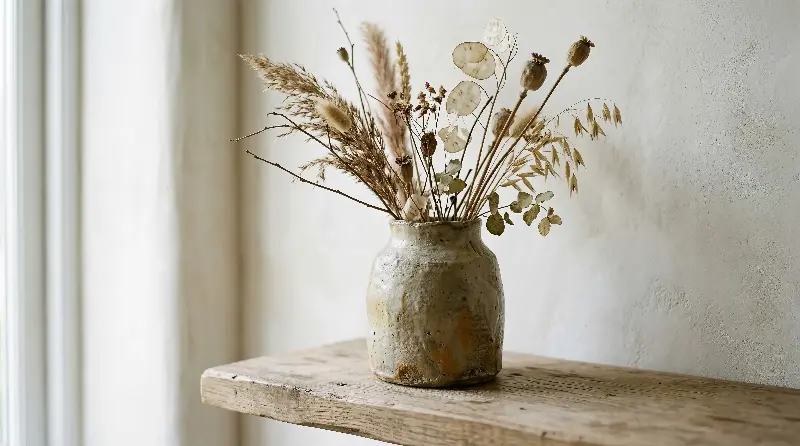
A TREASURE HUNT LIKE NO OTHER
Part of the charm lies in the hunt itself. Unlike mass retail, where an algorithm dictates what you see next, each visit to a flea market or antique stall promises unexpected delights. The search becomes a playful adventure where you might unearth:
- A first-edition book tucked away in a dusty corner.
- Mechanical watches that still tick with precision.
- Hand-painted porcelain dishes with motifs from a bygone era.
These stories add a sense of history, transforming everyday objects into personal heirlooms. The excitement of finding a "diamond in the rough" makes the item far more valuable to the owner than anything bought off a standard shelf.
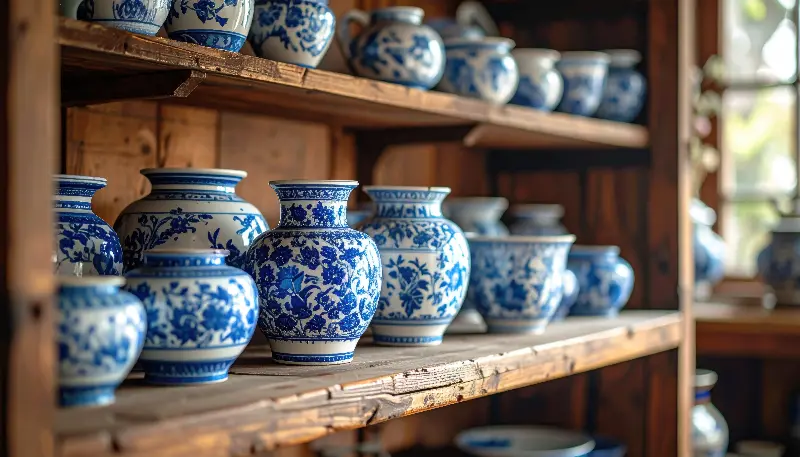
TIMELESS QUALITY AND CRAFTSMANSHIP
Another compelling reason antiques are returning to the spotlight is their enduring quality. Many vintage pieces were crafted before the era of planned obsolescence. They were built to be repaired, not replaced.
Consider the materials often found in older goods:
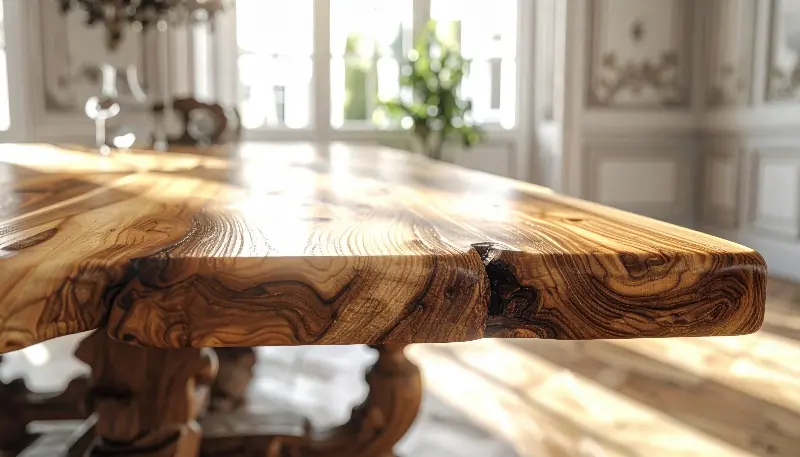
- Solid Woods: Oak, walnut, and mahogany that stand the test of time.
- Sturdy Metals: Heavy-duty steel and brass fittings.
- Manual Precision: Analog tech like film cameras that offer a tactile experience missing from digital alternatives.
With a bit of care, an Art Deco armchair or a 1950s kitchen appliance can last another lifetime, often looking better with a gentle patina or a simple restoration.
THE SOCIAL MEDIA EFFECT
The digital age has given new life to the old. Platforms like TikTok and Pinterest have become showcases for creative upcycling. Trends like “thrift flips”—where creators turn dated decor into modern masterpieces—rack up millions of views.
Influencers now proudly flaunt their flea market hauls, inspiring a global community to share restoration hacks and styling tips. This has turned a once-niche pursuit into a mainstream movement, proving that "old" is the new "cool."
SUPPORTING LOCAL STORIES AND CIRCULAR ECONOMIES
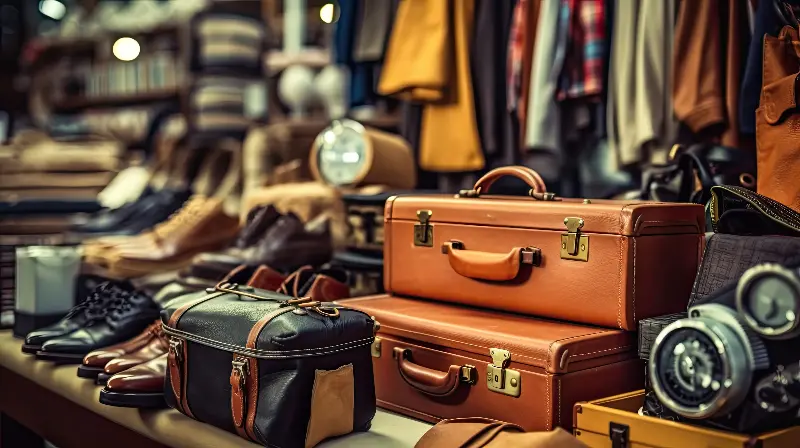
Shopping secondhand often means supporting independent businesses and local artisans. This creates a cycle where goods are repaired, reused, and loved again. Many local dealers and thrift stores also help fund community programs, ensuring your purchase has a positive social impact.
Embracing antiques and secondhand finds isn’t just about a trend. It’s about cherishing the beauty in what already exists, celebrating craftsmanship, and making thoughtful choices. By honoring the past, today’s style lovers are helping shape a more creative, sustainable, and soulful future.