


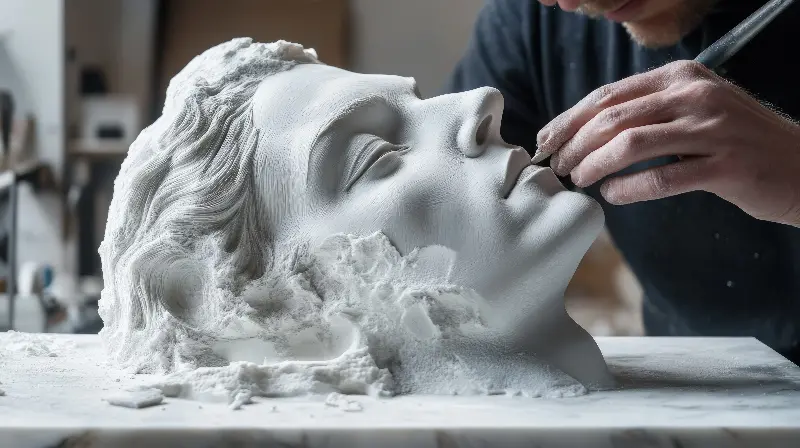
Portrait sculpture has long been a window into the soul of humanity. While painters turn to canvas and color, sculptors reach for earth and minerals, capturing emotion in three dimensions. Of all the materials in their creative arsenal, clay and plaster have stood out for centuries as the mediums of choice.
But what is it about these humble substances that enable artists to reveal the true depths of human emotion? The secrets lie not just in the materials themselves, but in the unique techniques and philosophies behind their use.
THE ALLURE OF CLAY AND PLASTER
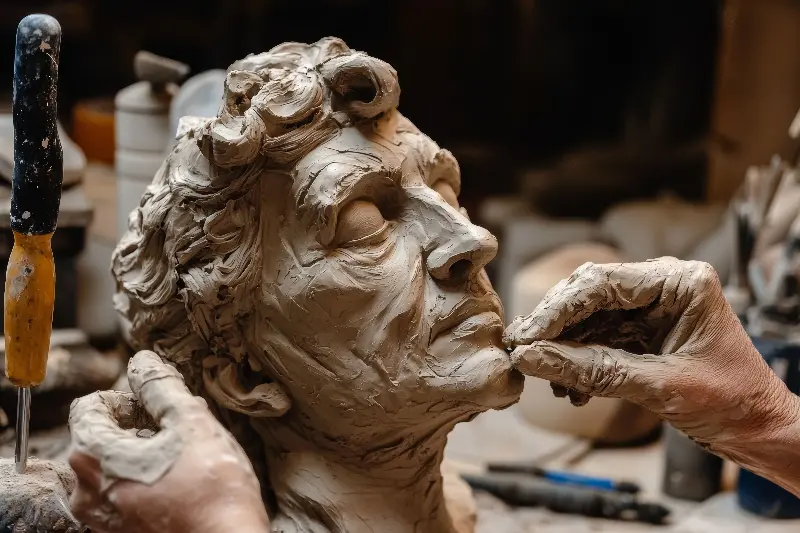
The tactile nature of clay draws artists and viewers alike into an intimate conversation. Clay’s soft, malleable texture allows sculptors to work directly with their hands, shaping details down to the finest wrinkle or a fleeting smile. Unlike marble, which demands chiseling and subtracting, clay encourages building up, adding features bit by bit—mirroring the organic way emotions layer in the human face.
Plaster, used both as a direct sculpting medium and as a casting material, communicates immediacy. The process typically involves:
- Initial Modeling: Forming the portrait in clay to capture fine details.
- Mold Making: Encasing the clay in plaster to create a negative impression.
- Final Casting: Filling the mold with fresh plaster or bronze to create a permanent piece.
This method preserves the nuanced impressions left by fingertips or tools, translating the raw energy of the artist’s touch into a permanent state. Both materials lend themselves to spontaneity; a sudden shift in a model's pose can be instantly captured with swift, decisive motions.
SECRETS IN TECHNIQUE: CAPTURING TRUE EMOTION
One of the magic ingredients in expressive portrait sculpture is the quick observation. Artists often have mere minutes to capture a look before it vanishes. Legendary sculptor Auguste Rodin famously insisted, “I invent nothing, I rediscover.” To truly capture an emotion, sculptors study real people and trust their instincts over rigid measurements.
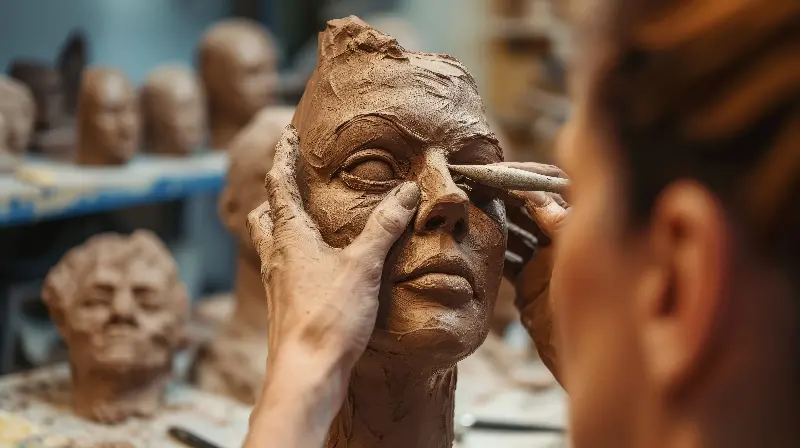
Facial muscles communicate what words cannot. Skilled sculptors pay special attention to these "emotional triggers":
- The Brow: A slight furrow conveys concern or deep thought.
- The Lips: An upward curve signals joy, while a tightened line suggests resolve.
- The Eyelids: A gentle softening reveals tenderness or exhaustion.
It is not just the face that tells the story. The tension in a neck or the slump of a shoulder contributes to the overall narrative. Many artists leave visible tool marks and fingerprints on the surface, believing that these traces of the creative process add a sense of life, as if the sculpture is caught in the middle of a thought.
ICONIC MASTERS AND THEIR EMOTIONAL SPELL
Throughout history, artists have turned to clay and plaster to immortalize the feelings of their times. Renowned masters have utilized these materials to create intense, intimate portraits that still resonate today:
- Gian Lorenzo Bernini: His clay sketches, called bozzetti, ooze vitality and drama, their textures alive with rapid, energetic movement.
- Alberto Giacometti: His rough, elongated plaster heads convey universal emotions of isolation and longing.
- Medardo Rosso: Known for his wax and plaster works that seem to melt into the light, capturing the impression of a moment rather than just a physical likeness.
These masters demonstrate that achieving true emotion is a delicate balance between anatomical accuracy and bold abstraction, with clay and plaster acting as willing participants in the pursuit of truth.
MODERN APPROACHES AND NEW FRONTIERS
Today’s portrait sculptors continue to experiment with these ancient materials in fresh ways. The field is currently seeing a merger of the tactile and the technological:
- Hybrid Sculpting: Some artists blend traditional hand-building with 3D scanning and printing.
- Eco-Conscious Materials: Others mix natural fibers into clay or use recycled plasters for environmental sustainability.
- Community Engagement: Workshops offer people of all abilities the chance to try portraiture, tapping into the primal satisfaction of forming something recognizable from damp earth.
