



There’s something magical about entering a shopping mall: the dazzling lights, enticing shopfronts, and that delicious aroma of fresh pretzels wafting through the air. Whether you’re a dedicated fashionista, a tech gadget seeker, or just someone chasing a bit of weekend excitement, malls are designed as wonderlands for consumers.
But amidst all that visual delight lies a challenge—how can you prevent those spontaneous purchases and keep your savings intact? If you’ve ever left a shopping spree with both arms weighed down by shopping bags and your wallet feeling noticeably lighter, you’re not alone. Let’s take a closer look at what makes the mall so temptingly irresistible and explore practical ways to stand strong and keep your finances on track.
THE PSYCHOLOGICAL TRICKS BEHIND THE TEMPTATION
Shopping malls are expertly designed for maximum temptation. Everything from lighting and background music to store layouts and placement of sale signs is carefully crafted to lure you in and encourage spending. Studies in consumer psychology reveal several subtle "nudges" used to bypass your logic:
- Atmospherics: Soft lighting and gentle music slow your pace, making you linger longer and increasing the likelihood of an impulse buy.
- Sensory Marketing: Fragrances—think fresh bread or floral scents—are intentionally diffused near entrances to trigger positive emotions.
- Artificial Urgency: “Limited time only!” or “Last chance!” signs tap into the fear of missing out (FOMO), pushing us to buy before we lose an opportunity for a perceived bargain.
Understanding that these elements are tools of the trade is the first step to resisting them. When you recognize that the ambient music is designed to relax your grip on your wallet, you regain your analytical edge.

KNOW YOUR SPENDING TRIGGERS
Everyone has personal "hot buttons" when it comes to spending. For some, it’s designer shoes; for others, maybe it’s the tech store’s latest must-have gadget. Being self-aware about your specific temptations is half the battle. Pay attention to your internal state: Are you shopping for entertainment, emotional comfort, or out of pure boredom?
Try this effective trick: before heading to the mall, make a written list of what you truly need and commit to sticking with it. Pause whenever you have the urge to stray. Ask yourself—do I need this, or is it just a momentary craving? Often, acknowledging your triggers aloud is enough to cool that urge and keep your spending purposeful.

SMART STRATEGIES FOR MALL SURVIVAL
Preparation is your best friend before any shopping excursion. Setting a budget—a firm, realistic limit—helps pace your shopping experience. Consider these "survival" tactics:
- The Cash-Only Method: Leave your credit cards at home and bring only the exact amount of cash you’ve allotted. No access to extra funds equals zero unplanned splurges.
- The 24-Hour Rule: If you spot something tempting, resist the urge to buy it immediately. Take a photo of it and give yourself a full day to think it over.
- Comparison Shopping: Use your smartphone to check prices online. Often, a better deal is just a few clicks away, making the "mall price" look much less attractive.

RESIST THE SALE SIRENS
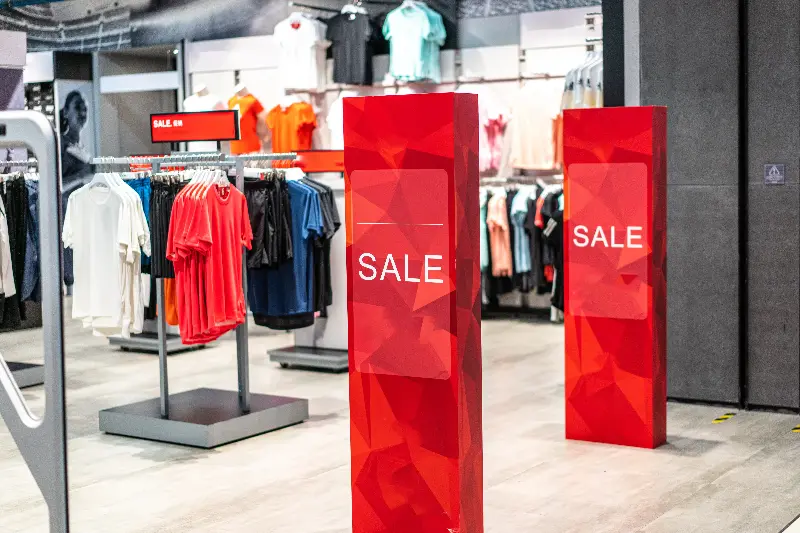
Nothing hooks a shopper quite like a sale. Even seasoned savers can find themselves tumbling into the trap of thinking, “It’s such a great deal—I’m saving money!” The reality is that you save the most when you don’t spend at all.
Unplanned sales happen often, so it pays to walk in with firm intentions. Challenge yourself: when you see a tempting deal, ask whether you’d want the item if it were full price. This can quickly separate true needs from “bargain fever” buys. Instill a sense of pride in leaving a good sale behind; it means you’re prioritizing your long-term financial freedom over short-term clutter.
EMOTIONAL SPENDING: SPOTTING AND STOPPING IT
The mall isn’t just a place for transactions; it’s an emotional space. Many people shop to relieve stress, boost their mood, or seek social connection. While treating yourself on occasion is healthy, frequent emotional shopping can sabotage financial wellness.
If you notice bargains make you feel temporarily happy but guilty later, it may be time to substitute alternative rewards:
- Meet friends for coffee instead of "window-shopping" (which often leads to real shopping).
- Take a brisk walk to boost endorphins when you’re feeling low.
- Practice a hobby that uses items you already own.

TRANSFORM SHOPPING INTO PURPOSEFUL VISITS
Shifting your shopping mindset changes everything. Instead of viewing malls as amusement parks, treat them as places to satisfy specific needs. Purpose-driven shopping not only keeps your budget on track but also makes the experience more satisfying.
Appoint shopping trips only when necessary—like replacing worn-out shoes or replenishing essential cosmetics. Make the trip about quality over quantity and savor selecting the right item instead of piling up unnecessary finds. Staying strong in a shopper’s paradise isn't about denying every pleasure; it’s about being in control and making wise choices that leave you empowered, not regretful.