


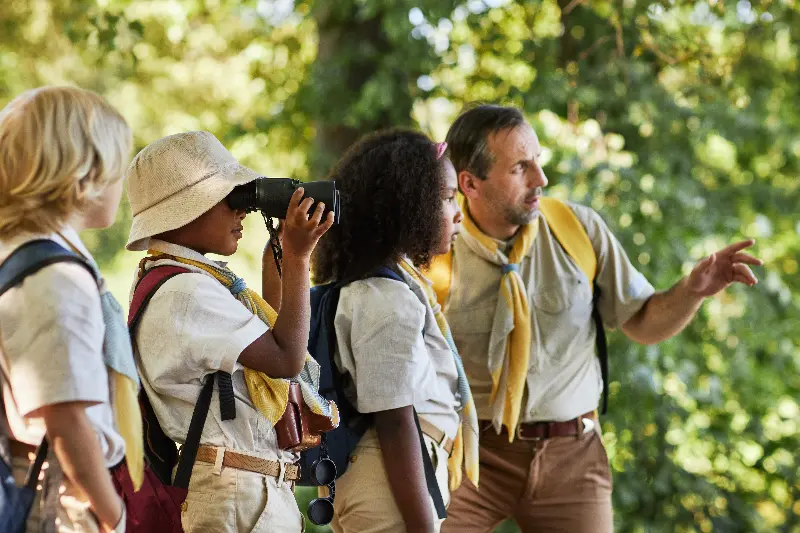
Take a step outside and you’ll find more than just a playground; you might just discover an entire classroom. Across the globe, a new trend in education is taking shape under leafy canopies rather than fluorescent lights. Forest classrooms—sometimes known as nature schools or forest schools—are redefining how young learners engage with the world, offering rich, hands-on experiences that ignite curiosity and create lifelong learners.
For generations, humans grew up exploring meadows and climbing trees as part of everyday life. Studies now show that bringing education back into natural environments isn’t just nostalgic—it’s revolutionary. In today’s fast-paced digital age, where children often swap outdoor adventures for screen time, forest classrooms are providing a much-needed balance. The concept is simple: let nature be both the teacher and the classroom.
The Roots Of A Global Movement
While the forest school concept dates back to 1950s Scandinavia, it has exploded globally in recent years. Today, thousands of schools across Europe, North America, Australia, and parts of Asia are taking lessons outside, regardless of the weather. In the United Kingdom alone, the number of forest school leaders has grown by more than a thousand percent since the early 2000s.
No two forest schools are exactly alike, but they all share a common belief that time spent in nature leads to children who are healthier, happier, and more motivated. Impressive data backs up this approach:
- Physical Development: Improved motor skills and physical resilience.
- Mental Health: Lower stress levels and a significant boost in emotional wellbeing.
- Character Building: Greater independence and increased self-confidence.
- Focus: Stronger concentration levels once students return to indoor tasks.
Learning That Engages All The Senses
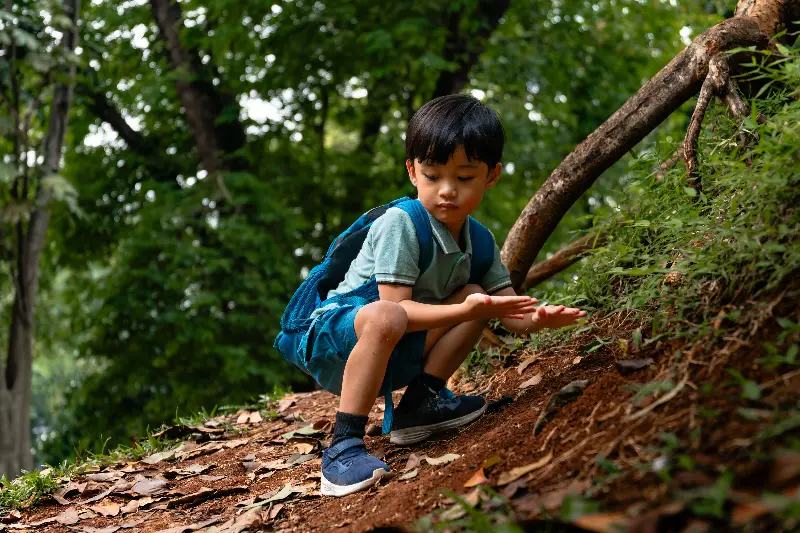
One of the most compelling aspects of nature-based education is its immersive approach. Forest classrooms break down the walls—literally and metaphorically—between students and their surroundings. Instead of just reading about soil in a textbook, children dig, sift, and discover earthworms right at their fingertips.
In this environment, core subjects become living experiences:
- Mathematics: Kids count tree rings, estimate the heights of oaks, or measure puddle depths after rain.
- Science: Tracking animal prints or observing the decomposition of fallen logs.
- Engineering: Crafting sturdy shelters using only branches and twine.
- Art: Painting with mud, weaving with long grass, or sculpting with river stones.
The forest doesn’t follow a set curriculum, and that’s part of its magic. A fallen branch becomes an opportunity for a lesson in physics or biology. An unexpected rain shower might lead to poetry inspired by the rhythm of droplets. Every day presents new challenges, teaching children adaptability and resourcefulness.
Building Social And Emotional Skills
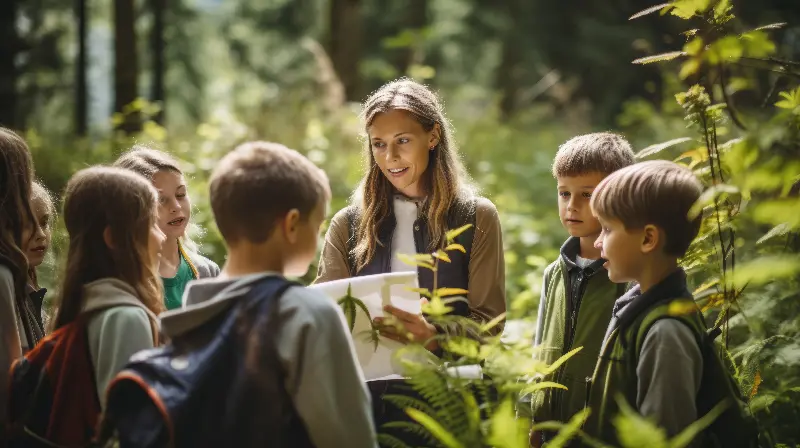
Forest classrooms foster more than just academic growth; they are powerful grounds for developing social and emotional intelligence. Working as a team to build a den demands cooperation, communication, and empathy. Navigating a slippery log encourages children to evaluate risk, set boundaries, and celebrate accomplishments together.
Educators have watched as children who struggle in traditional indoor settings blossom in the open air. In nature, there are fewer “right” or “wrong” answers and more room for exploration. The forest is forgiving and doesn’t judge mistakes. It teaches patience, responsibility, and respect—not just for people, but for all living things.
A Growing Movement With Room For All
Forest classrooms are not only for rural communities. Urban educators are finding creative ways to bring nature into city spaces by transforming:
- Public Parks: Using designated "wild" zones for weekly sessions.
- Community Gardens: Integrating food growth with biological studies.
- School Rooftops: Creating mini-ecosystems in the heart of the concrete jungle.
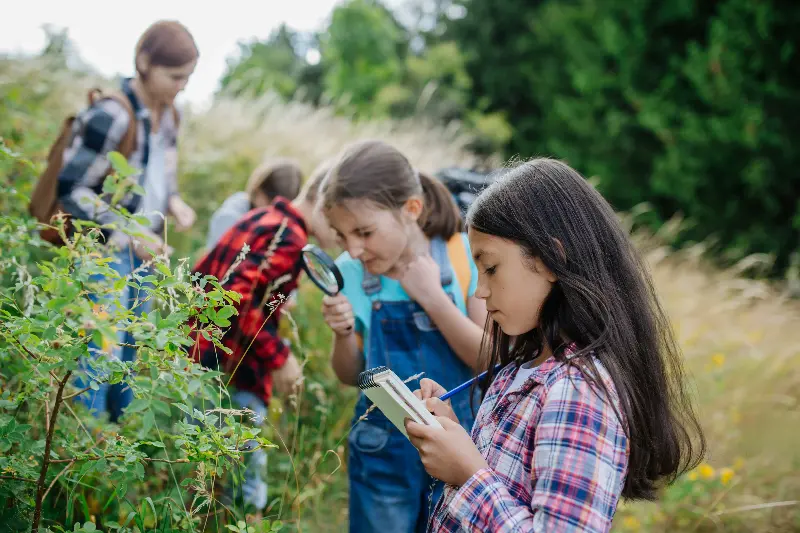
Many schools now use a hybrid model, illustrating that standardized learning goals can flourish outside. From mapping the constellations during a night walk to journaling about changing seasons, these programs embrace diversity in how and where children learn.
