


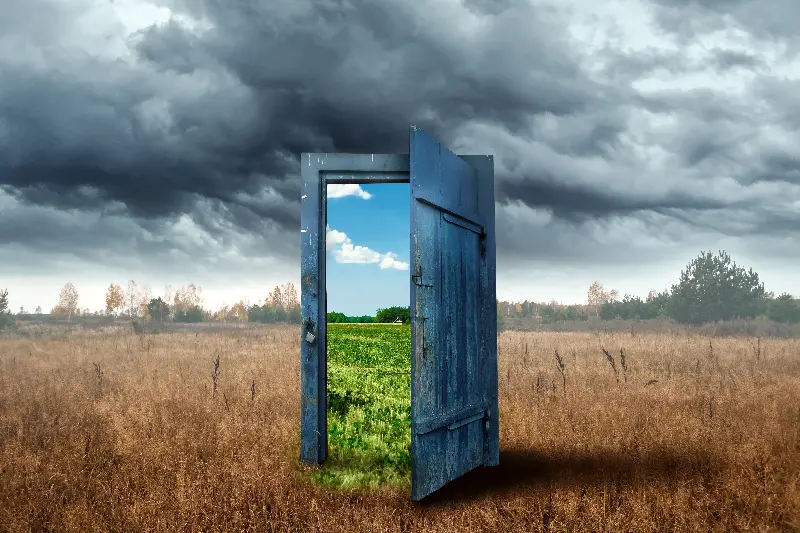
The reality of climate change has never shouted louder than it does today. Across our news feeds, dinner tables, and weather reports, urgent warnings ring out: we are facing a red alert for Earth. Beyond abstract debates and distant warnings, the world is witnessing the effects of rising global temperatures, wild weather, and melting ice. Yet, nothing conveys the scale of this crisis as powerfully as the raw statistics. It’s time we pay attention—not just with concern, but with action.
RISING TEMPERATURES AND HEAT RECORDS
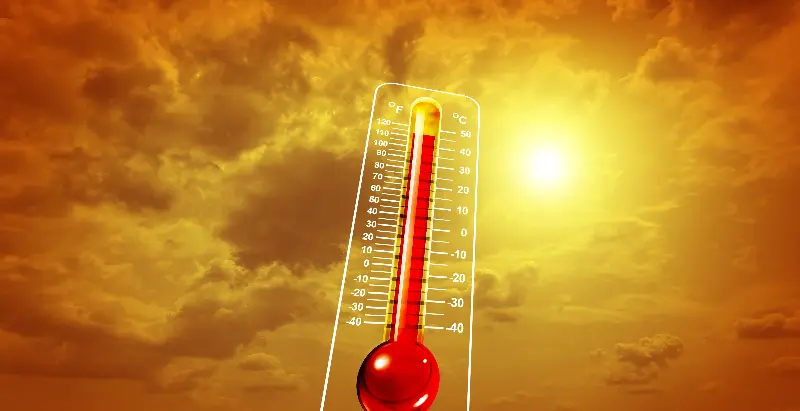
Ever wonder why each summer feels just a bit hotter than the last? It’s not your imagination. According to the World Meteorological Organization, the past eight years have been the warmest on record globally.
- 2023 Statistics: The planet’s average surface temperature soared nearly 1.2°C above pre-industrial levels.
- The 1.5°C Threshold: If current trends continue, we are projected to surpass the critical limit established by the Paris Agreement as early as 2030.
- The Ripple Effect: While a one-degree shift sounds modest, it unleashes major disruptions for agriculture, global weather patterns, and sea levels.
Scientists warn that exceeding this boundary significantly increases the risk of irreversible ecosystem loss and brutal, life-threatening heatwaves.
EXTREME WEATHER: FROM THEORY TO REALITY
Climate change is transforming the weather into something the world barely recognizes. The United Nations Environment Programme reports a fivefold increase in the number of weather-related disasters over the last 50 years. This means more intense hurricanes, devastating wildfires, and catastrophic flooding.
Consider the real-world impact observed recently:
- Pakistan (2022): Devastating floods left one-third of the country underwater, displaced eight million people, and caused over $30 billion in damages.
- Europe: Experienced its hottest summer in recorded history, drying up major rivers and squeezing agricultural yields.
These are no longer isolated incidents; they are the hallmarks of a troubling new normal.

MELTING ICE AND RISING SEAS
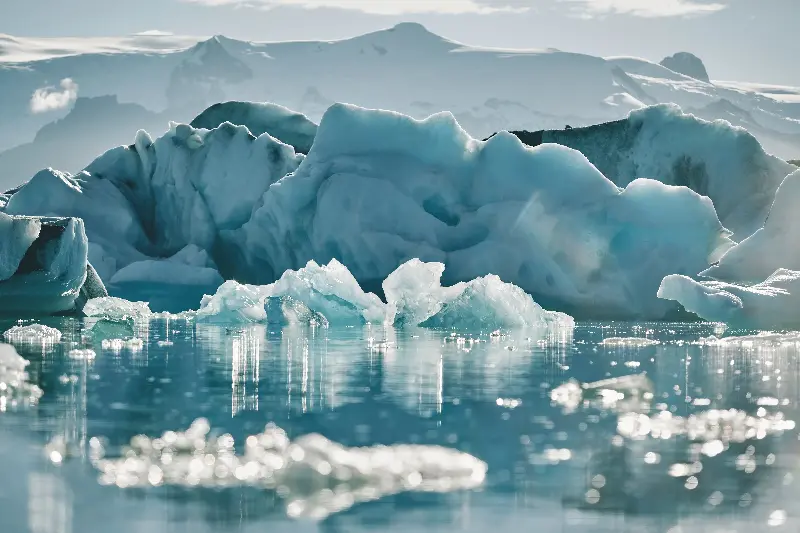
Perhaps nowhere is climate change more visibly alarming than at the world’s poles. The Antarctic and Greenland ice sheets are melting at unprecedented rates, losing roughly 430 billion tons of ice every year.
As a result, sea levels are now rising about 3.3 millimeters per year—more than double the rate observed in the last century. By 2100, sea levels could rise between 0.3 and 1.1 meters. For low-lying coastal areas and small island nations, this is a question of survival. Cities like Miami, Jakarta, and Venice already battle frequent flooding, while millions of people risk being displaced in what could be the largest human migration in history.
BIODIVERSITY IN PERIL
Our planet’s stunning variety of life is at stake. Research states that one million species are facing extinction, many within decades. Coral reefs, which support more than a quarter of all marine life, are particularly vulnerable.
- 90% Loss: A 1.5°C temperature rise could decimate the vast majority of the world’s coral reefs.
- Human Impact: Biodiversity loss threatens our food security, water quality, and the development of new medicines.
