



If the idea of green living conjures up images of expensive gadgets or big lifestyle sacrifices, take a deep breath. Embracing sustainability isn’t just for activists; it can be a straightforward, budget-friendly adventure for everyone.
The best news? Every eco-conscious choice you make at home can also save you real money. From daily swaps to community-driven alternatives, here is how to start making a difference for the planet—and your wallet—today.
1. RETHINK YOUR GROCERY GAME
Food waste is a double whammy: it is tough on the environment and rough on your budget. You can cut both by adopting a few simple habits:
- Meal Planning: Plan your week before shopping and stick strictly to a list to avoid impulse buys.
- The "Too Good To Go" Strategy: Use apps to connect with local bakeries and restaurants offering surplus food at deep discounts.
- Packaging Awareness: Choose loose produce over plastic-wrapped items and bring your own reusable bags. Many stores now offer small discounts for shoppers who provide their own containers.

2. SAVE ENERGY, SLASH BILLS
Simple energy tweaks at home are eco-magic for beginners. Small shifts in how you manage your utilities can lead to significant annual savings:
- LED Revolution: Switch incandescent bulbs for LEDs. They use up to 80% less energy and last far longer.
- Kill "Phantom Power": Unplug devices like game consoles and chargers when not in use, as they draw electricity even when turned off.
- The One-Degree Rule: Setting your thermostat just one degree lower in winter or higher in summer can save as much as 10% on your annual bill.

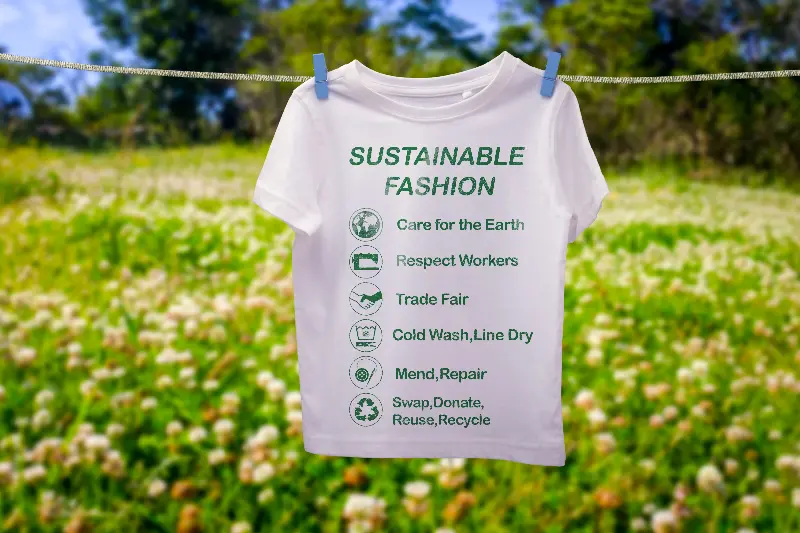
3. FASHION WITH A CONSCIENCE—AND SAVINGS
Fast fashion might seem like a bargain, but the environmental costs are staggering. To stay stylish without the guilt, consider the following:
- The “30 Wears Test”: Before buying, ask yourself if you will wear the item at least 30 times. This simple question filters out impulse purchases.
- Secondhand First: Utilize thrift stores, online apps, and clothing swaps to find unique pieces at a fraction of the retail price.
- Upcycling: Transform old tees into cleaning rags or tote bags to save money on household supplies.
4. TACKLE WATER WASTE WITH SMART SWAPS
Water bills can sneak up on busy households, but efficiency doesn't have to mean sacrificing comfort.
- Low-Flow Fixtures: Install inexpensive aerators and showerheads; they pay for themselves quickly through reduced water heating costs.
- The Drip Factor: Fix leaky taps immediately. A drip-per-second adds up to over 3,000 gallons of wasted water a year.
- Cold Water Laundry: Washing in cold water preserves fabric quality and eliminates the energy cost of heating the water.

5. GREEN YOUR TRANSPORTATION
Transportation accounts for a significant chunk of household emissions. Rethinking your commute can trim your carbon footprint and your fuel expenses simultaneously:
- Trip Planning: Run multiple errands in a single journey to save time and gasoline.
- Alternative Transit: Carpooling, biking, or walking for shorter trips reduces wear and tear on your vehicle.
- Maintenance: Keeping tires properly inflated increases fuel efficiency and prevents expensive repair bills down the road.

6. BORROW, SHARE, AND RENT—NOT EVERYTHING HAS TO BE YOURS
Owning less is a major pillar of sustainability. It saves money, declutters your home, and requires fewer planetary resources.
- Libraries of Things: Many modern libraries now offer tools, board games, and kitchen accessories for rent.
- Neighborhood Swaps: Use community platforms to borrow specialized gear like camping equipment or power tools rather than buying them for one-time use.

7. HOMEGROWN HAPPINESS: START SMALL WITH PLANTS
Growing your own food doesn’t demand a backyard. You can start with a few pots on a sunny windowsill.
- Herb Gardens: Fresh basil, mint, or lettuce are simple to care for and cost pennies compared to store-bought versions.
- Community Gardens: If you're feeling inspired, local gardens offer space and shared harvests, providing both food and social connection.

CHANGE THE WORLD—AND YOUR BUDGET—ONE STEP AT A TIME
Starting a sustainable lifestyle isn’t about making perfect choices or spending big on "eco-trends." It is about mindful, gradual shifts: a reusable mug here, a bike ride there, and an intentional purchase instead of a throwaway buy. These strategies offer a gentle entry point to greener living while keeping more money in your pocket for the future you truly value.