


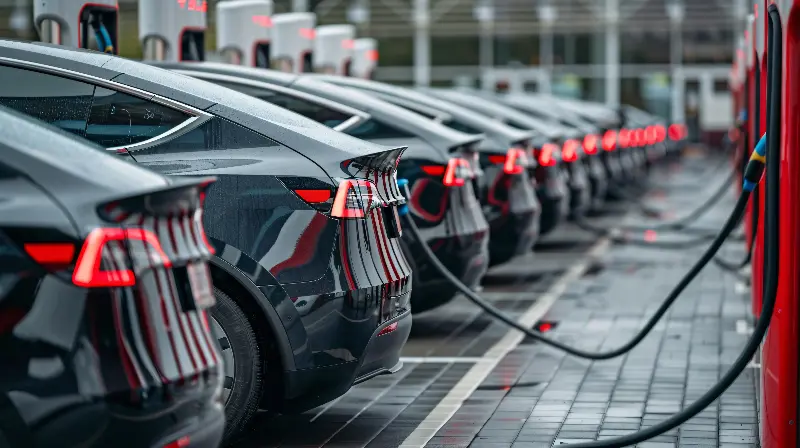
Once a niche corner of the automotive market, used electric cars are now roaring into the mainstream. With the global shift toward greener transportation, what was a modest segment just a decade ago is rapidly turning into a billion-dollar phenomenon.
By 2026, the used EV market isn’t just expected to be booming—it is reshaping how we think about cars, sustainability, and value for money. As a massive wave of vehicles leased during the early 2020s returns to dealer lots, buyers are finding a goldmine of high-tech, low-mileage options at a fraction of their original cost.
The Rise Of The Billion-Dollar Used EV Market
In 2023, the global used EV market value was estimated at more than $20 billion. By 2026, projections suggest this could double or even triple. Several factors are fueling this "recalibration" of the market:
- Inventory Surge: A "huge flood" of lease turn-ins from 2023 is hitting the market this year, creating a buyer's paradise.
- Price Parity: In late 2025, the price gap between used EVs and gasoline cars narrowed to less than $900—the smallest difference in history.
- Policy Shifts: While some major subsidies (like the U.S. federal tax credit) have expired or "recalibrated", many local governments have introduced used-car specific incentives to support mass-market adoption.
What’s Hot On The Used EV Lot
When it comes to secondhand EVs, certain models have established themselves as modern legends for reliability and resale value.
- The Urban Commuters: The Nissan Leaf and Chevrolet Bolt remain top choices for those seeking affordable entry points into electric driving.
- The Tech Leaders: The Tesla Model 3 and Model Y (especially the "Juniper" refresh models) consistently top wishlists due to their superior charging network and over-the-air software updates.
- The "Sweet Spot": The most sought-after vehicles are typically three to six years old. This age range offers the perfect balance of steep depreciation (saving you money) and modern battery technology.
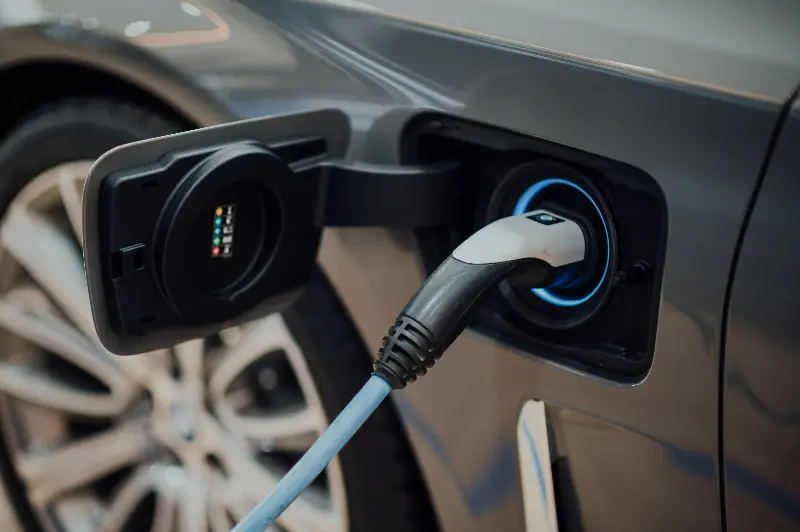
Battery Health: The Heart Of Your Purchase
Nothing influences a used EV’s value more than its battery. While battery degradation is a common concern, 2026 data shows that modern batteries are far more resilient than early critics predicted.
“Recent research indicates that EV batteries now degrade at an average rate of just 1.8% per year—a significant improvement from 2.3% in 2019.”
Smart Shopping Tips for Battery Peace of Mind:
- Demand a Diagnostic Report: Ask for a certified battery health report (like a Recurrent score) that shows the actual remaining capacity.
- Check the Warranty: Most manufacturers offer an 8-year/100,000-mile battery warranty that is fully transferable to the second owner.
- The "Recall Bonus": Look for older models like the Chevy Bolt or Hyundai Kona that may have received entirely new battery packs due to manufacturer recalls—essentially giving you a "new" car for a used price.
Charging Forward: Infrastructure And Tech Perks
Worried about where to plug in? The landscape has changed. International figures show that in major urban centers, there is now an average of one public charger for every eight EVs.
Furthermore, buying used in 2026 doesn't mean buying "old" tech. Many used EVs come equipped with features that are still premium in the gas world:
- Wireless Updates: Your car can get better and faster while it sits in your driveway.
- Regenerative Braking: This saves wear on your brake pads, leading to lower long-term maintenance costs.
- Lower Operating Costs: On average, EV owners save between $6,000 and $10,000 over five years compared to gas SUV owners.
Must-Know Survival Tips For 2026 Shoppers
Ready to join the revolution? Keep these crucial tips in your glovebox:
- Assess Range Realistically: Most drivers cover only 30–40 miles a day. You might not need the 300-mile range that comes with a higher price tag.
- Prioritize Charging Access: Ensure you have a plan for home or workplace charging, as this remains the most convenient and cost-effective way to "refuel".
- Verify Software Compatibility: Ensure the vehicle can still accept modern security and performance updates from the manufacturer.
- Check the "Hidden" Hardware: Inspect the charging port for wear and ensure the original Level 1 or Level 2 mobile charging cables are included in the sale.
The Road Ahead
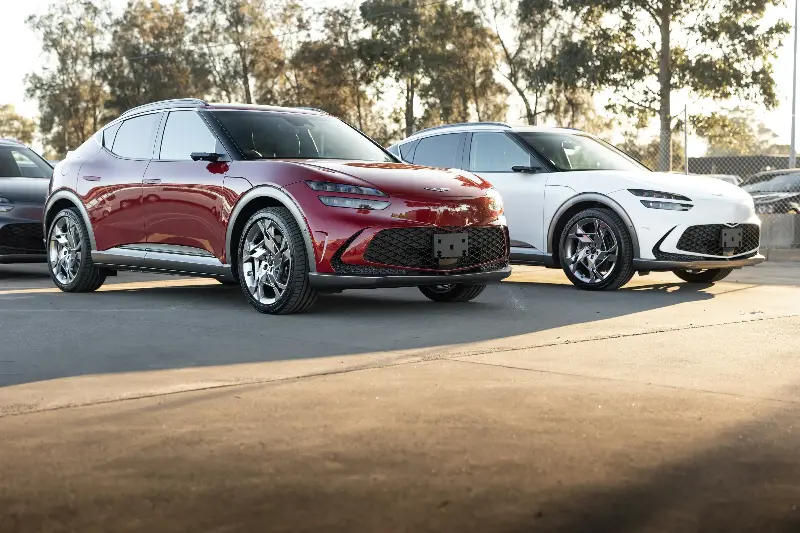
The move to used electric cars isn’t just about saving money at the pump; it’s a fundamental shift in our relationship with transportation. By 2026, buying a used EV has become a "normal" financial decision for the average family.
In this rapidly evolving market, knowledge is your best co-pilot. Armed with the right data on battery health and charging infrastructure, there has never been a more exciting time to plug in and drive into a sustainable future.