


Boredom: The Surprising Gateway to Creativity
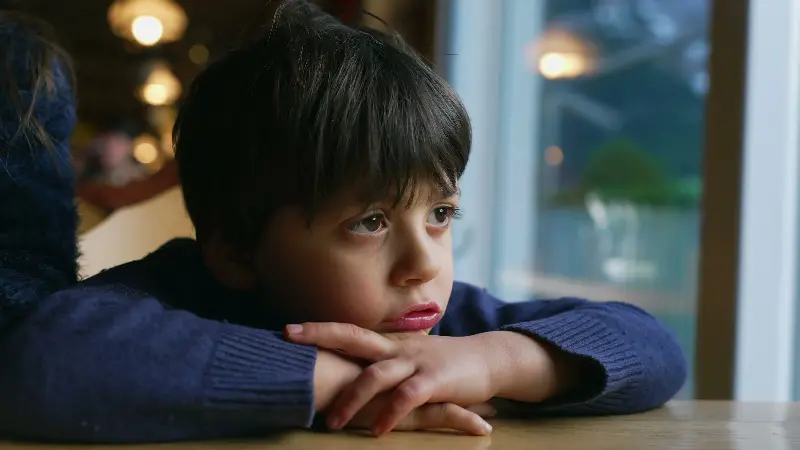
Many parents fret at the first sign of an idle child, rushing to fill their schedule with organized activities, digital entertainment, or educational tasks. Yet, leading child psychologists and educators increasingly emphasize that boredom can be a powerful catalyst for creative thinking. When children have moments without structured stimulation, their minds are given license to wander, explore, and imagine in transformative ways.
Boredom is not simply a gap to be filled—it's a developmental tool. When faced with unoccupied time, children may at first complain or become restless. However, as their initial discomfort recedes, they begin to invent games, dream up stories, or use nearby objects in new and imaginative ways. Research has consistently shown that children who experience unstructured time develop better problem-solving skills, more complex emotional awareness, and stronger capacities for self-directed learning.
The Science Beneath the Stillness
The relationship between boredom and creativity is well-documented. Psychologists describe boredom as a state in which one’s current activities or environment fail to satisfy an internal need for stimulation. When this need arises, the brain seeks novel ways to engage itself.
A 2014 study from the University of Central Lancashire found that participants who completed a boring task generated more original ideas on a subsequent creative task than those who did not. These results align with what experts call "default mode" thinking, where the brain, given freedom from direct task management, connects disparate ideas and memories in innovative ways. For children, this often translates into imaginative role-play, inventive creations with basic materials, or the development of new rules for games.
Interestingly, boredom does not mean inactivity. Children will engage in constructive daydreaming, introspection, or collaborative play with siblings and peers, often without adult intervention. These experiences form the backbone of many creative breakthroughs—and childhood memories.
Free Time: The Fertile Ground for Invention
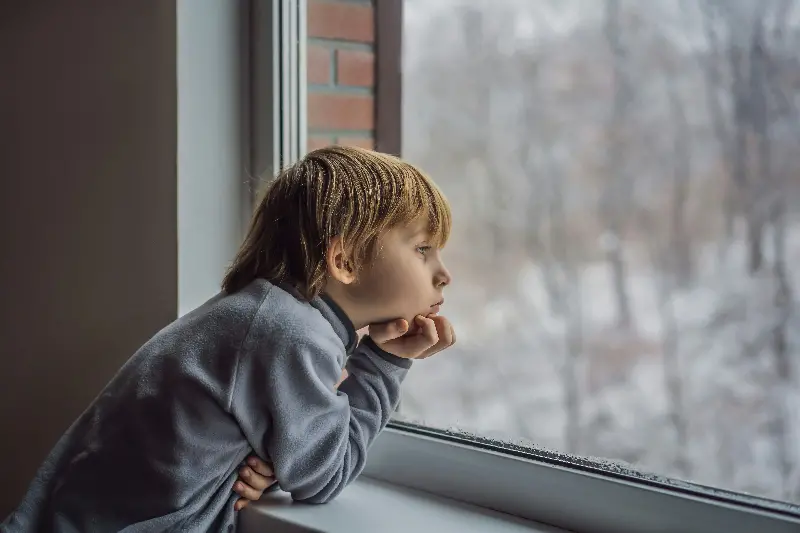
Closely related to boredom, free time is equally crucial for developing creativity. In today’s fast-paced world, children’s schedules can rival those of adults. Sports, music lessons, schoolwork, and screen time can dominate daily life, leaving minimal space for spontaneous exploration.
When children are given free time, they become the architects of their own entertainment. They learn to initiate projects, develop persistence in completing tasks, and deal with the small frustrations that accompany creative effort. According to a report by the American Academy of Pediatrics, unstructured time is essential for children to discover their interests, process experiences, and practice problem-solving.
Besides nurturing cognitive creativity, free time contributes to emotional development. It allows kids to decompress, reflect, and become comfortable spending time with their thoughts—a foundation for resilience and strong mental health.

The Role of Parents and Educators
Promoting creativity through boredom and free time requires a gentle touch. Rather than stacking every hour with enrichment, parents and educators can provide opportunities for exploration while offering encouragement from the sidelines.
One effective strategy is to create a "boredom toolkit," filled with open-ended materials such as art supplies, building blocks, recycled household items, or even just a notepad. The absence of clear instructions in these items nudges children toward inventing their own uses and stories.
Equally important is the parental response to the classic “I’m bored!” complaint. Instead of proposing immediate solutions, adults can ask open-ended questions (“What do you feel like doing?” or “What have you not tried yet?”) or gently assure children that it’s okay to feel bored and curious.
Educators can also build creative downtime into the school day by incorporating free-choice periods, outdoor play, and opportunities for collaborative projects. Renowned Finnish educator Pasi Sahlberg notes that Finland’s top-ranked schools intentionally allow for free time, with recesses and breaks designed to maximize unstructured play and learning.
Modern Challenges and Digital Distraction
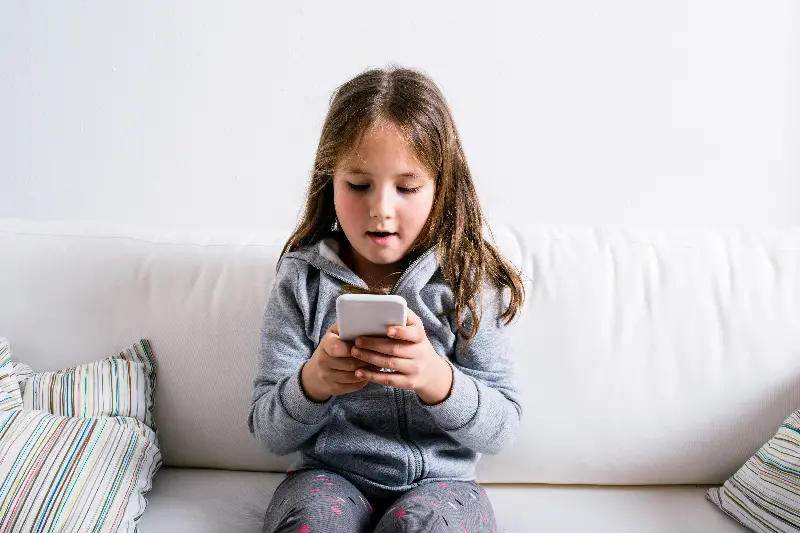
While there are more resources than ever for children to connect, learn, and play, technology poses a particular challenge to creative development. Screens can rapidly fill empty moments, offering endless entertainment but demanding little imagination or problem-solving.
The key is not to banish screens, but to ensure that digital activities do not crowd out opportunities for creative boredom. Setting reasonable boundaries around screen time and encouraging breaks encourages children to seek inspiration from their own minds and surroundings.
A study from the University of Texas found that even the mere presence of a smartphone reduced participants’ capacity for creative thought and memory recall. For families, this suggests that unplugged time—both for adults and children—provides needed space for creativity to thrive.
Inspiration From Simplicity
Some of history’s most brilliant thinkers credit idle periods and unstructured days for their most impactful ideas. Nobel laureate Toni Morrison once remarked, “All important things, it seems to me, are created in a state of boredom.” Whether it’s a scientist imagining the structure of DNA, a child inventing a new game with a stick and a ball, or a young artist painting outside the lines, the wellspring of creativity often arises not from busyness, but from an open moment.
The challenge and opportunity for today’s parents and educators is to recognize the value of those open moments—seeing boredom not as a nuisance to be avoided, but as the beginning of an adventure in imagination and discovery. By trusting children with free time, we unlock the doors to innovation, joy, and life-long creative confidence.