


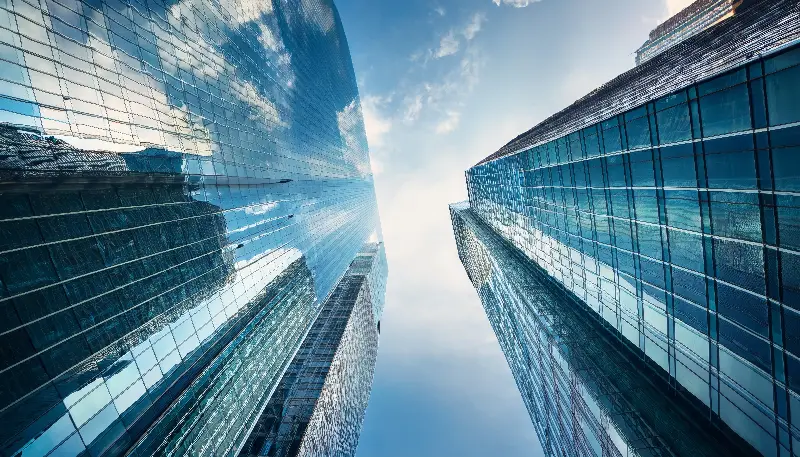
There is something irresistibly captivating about skyscrapers. These steel giants stretch beyond the clouds, defining the urban landscapes of our time and capturing our collective imagination. A showcase of ambition, engineering prowess, and creative vision, modern skyscrapers are more than just tall buildings—they are stories cast in concrete and glass, symbols of progress, and iconic landmarks for the cities they tower over. Let's take a closer look at some of the most amazing facts behind the planet’s most iconic modern skyscrapers.
Engineering Marvels Above the Skyline
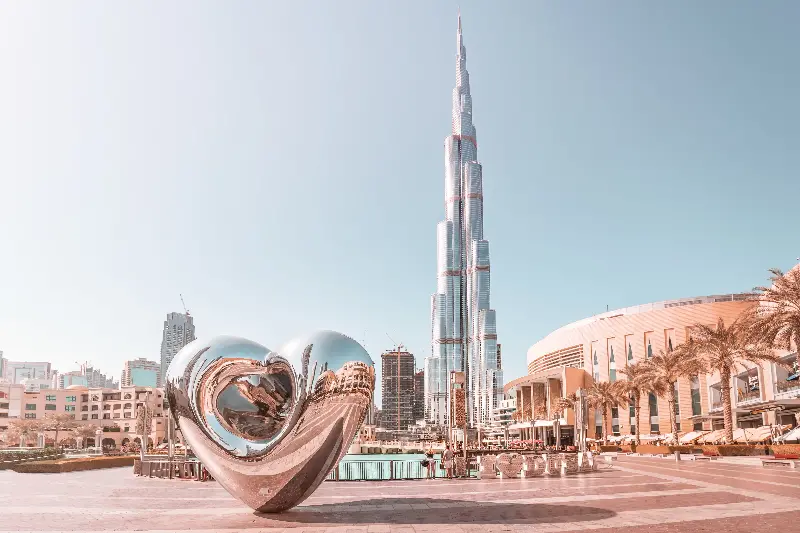
Pushing the limits of height is more than a quest for architectural fame—it demands innovative engineering. Burj Khalifa in Dubai soars to a dizzying 828 meters (2,717 feet) and holds the title of world’s tallest building, but its foundation is only 50 meters deep. That’s the length of an Olympic swimming pool, supporting a structure that weighs roughly 500,000 tons. The Burj's elegant profile was inspired by the Hymenocallis flower, but its aerodynamic shape does the real heavy lifting, preventing wind vortices from destabilizing the structure.
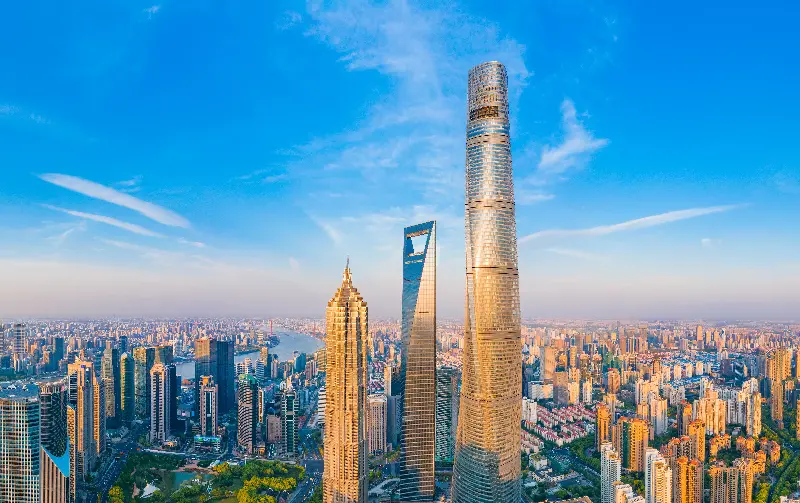
Moving to Shanghai, the Shanghai Tower climbs to 632 meters (2,073 feet) and spirals upward with a remarkable twist. Its 120-degree rotation minimizes wind loads, saving approximately $58 million in material costs and allowing it to withstand intense typhoon winds. Such feats of design don’t just push boundaries—they rewrite the rules of what’s possible with steel and glass.
The Skyscrapers With Surprising Secrets
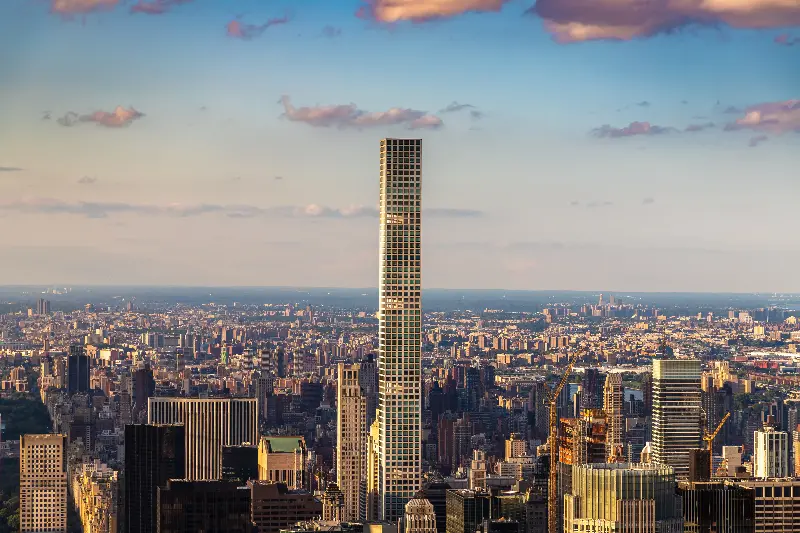
Not all skyscrapers are about sheer size—some are marvels of ingenuity hidden in plain sight. Take New York City’s 432 Park Avenue. Its uniform grid of 10 x 10 foot windows is not just a design choice. This grid provides remarkable structural strength, resisting sway from the city’s strong winds while offering prized panoramic views, even from the bathrooms. Believe it or not, at its greatest height, the penthouses at 432 Park Avenue actually sway several inches during storms, so designers included special dampers to calm the ride—luxury living with a rollercoaster twist.
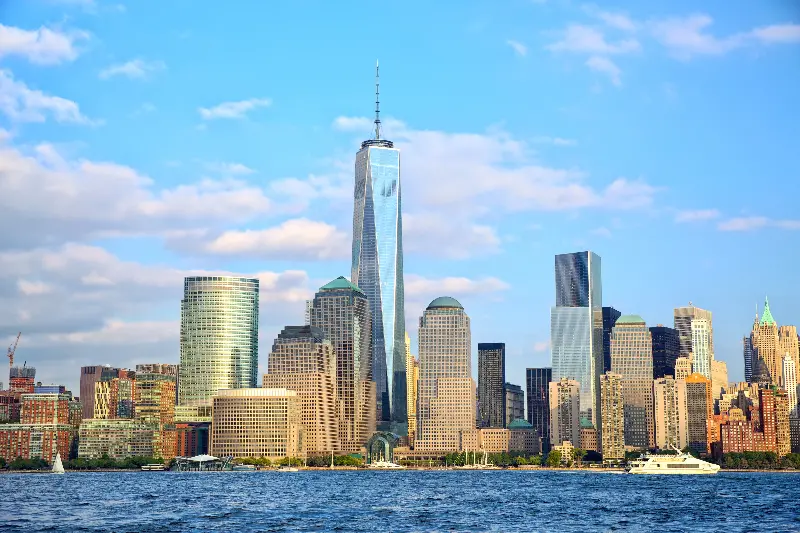
One World Trade Center, known as the Freedom Tower, stands as a resilient symbol rising from the ashes of the original World Trade Center. Its height of 1,776 feet was chosen intentionally, reflecting the year of American independence. Beyond its symbolism, the building features a reinforced concrete core 90 centimeters thick—one of the strongest ever used in a skyscraper for protection and stability.
Sustainability at New Heights
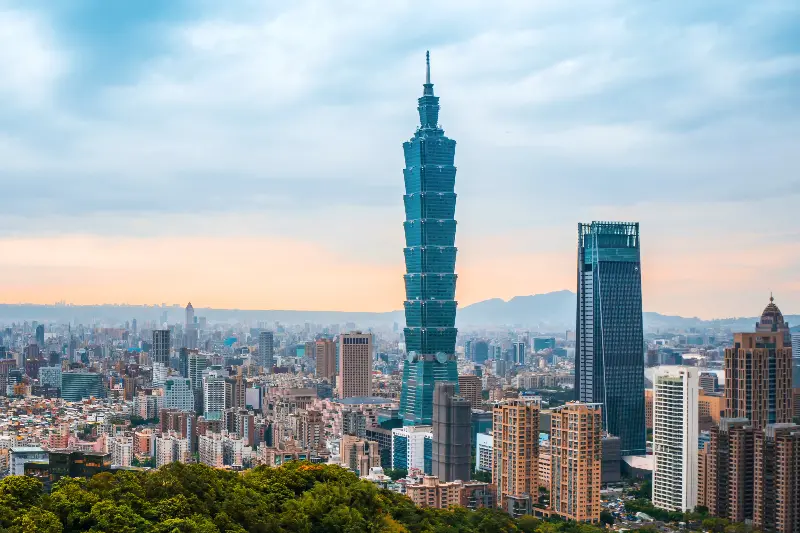
Today’s skyscrapers are not only taller but smarter and greener. Taiwan’s Taipei 101, which once held the title of world's tallest, set a new standard for eco-friendly skyscrapers. It became the world's tallest LEED Platinum certified building by renovating everything from its chillers to its lighting systems. The upgrades cut energy use by over 30 percent—a rare achievement for such a mammoth structure.
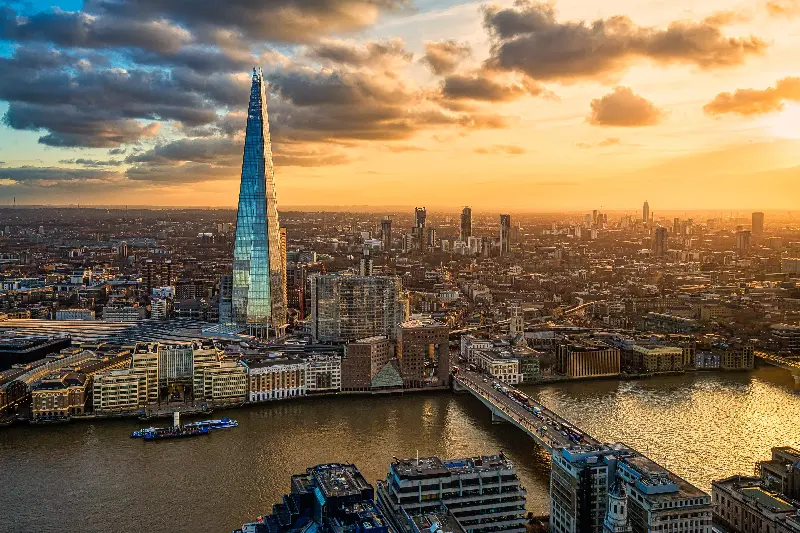
In London, the 310-meter-tall Shard incorporates triple-glazed glass, advanced shading, and a combined heat and power plant. Meanwhile, Shanghai Tower’s double-skin facade creates a thermal buffer, cutting down on air conditioning needs and saving millions of kilowatt-hours each year. These features support not just the environment but also the long-term comfort and efficiency of the people working and living far above street level.
Breaking Cultural and Creative Barriers
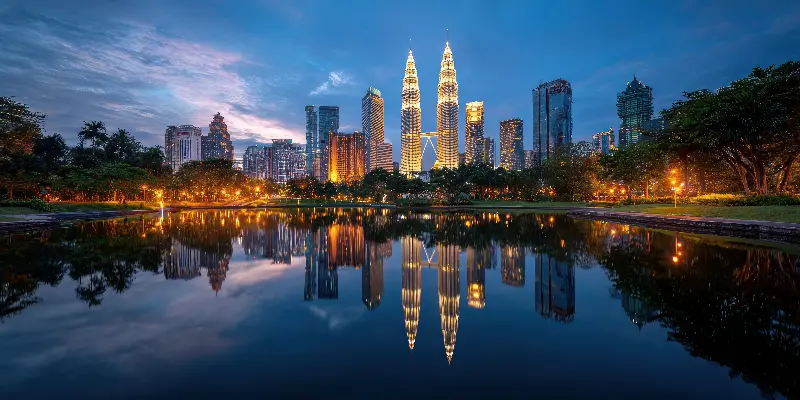
Some skyscrapers do more than just reshape skylines—they reflect the cultural identities of their homes. The striking design of Kuala Lumpur’s Petronas Towers was inspired by Islamic geometric patterns, linking cutting-edge engineering to tradition. The sky bridge connecting the twins is not just a tourist attraction; it also serves as an emergency escape route and flexible structural link, allowing the towers to move independently during strong winds.
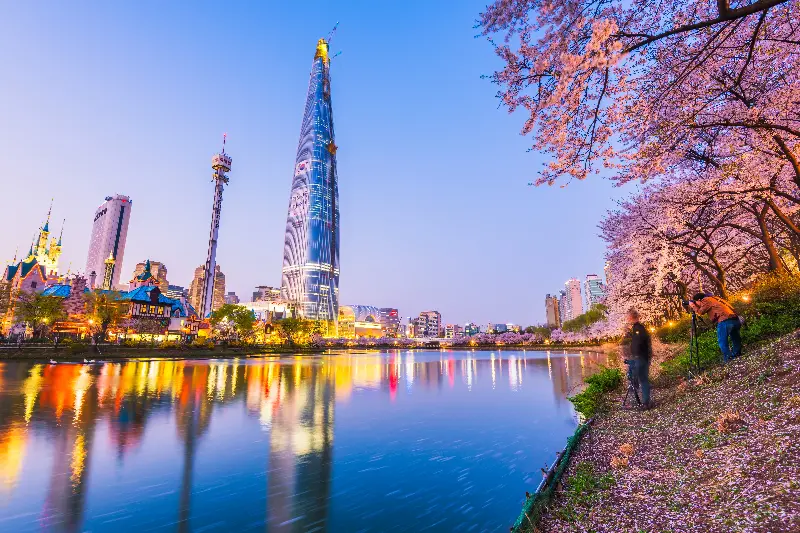
In Seoul, the Lotte World Tower’s tapered silhouette recalls traditional Korean artistry, while in Abu Dhabi, the Capital Gate leans a dramatic 18 degrees west—surpassing even the Leaning Tower of Pisa—demonstrating that modern architecture is as much about personality as performance.
Unexpected Records and Little-Known Stories
The world of skyscrapers is also full of quirky records and untold stories. Did you know that the Kingdom Tower (now known as Jeddah Tower) in Saudi Arabia, once completed, is expected to surpass one kilometer in height, making it the first “kilometer-high” building? On the other side of the spectrum, the world’s thinnest skyscraper, New York's Steinway Tower, is 24 times taller than it is wide—a true “pencil tower.”
Skyscrapers also double as canvases for remarkable showcases. The LED facade of Guangzhou’s Canton Tower can display over 16.7 million colors, creating massive light shows visible for miles. And in Chicago, Willis Tower (formerly Sears Tower) famously features a Skydeck with glass boxes extending four feet from the building’s edge, letting daring visitors test their nerves 1,353 feet in the air.
These architectural masterpieces aren’t just buildings—they’re achievements in technology, design, and imagination. Whether setting new standards for sustainability, defying gravity, or embodying cultural heritage, modern skyscrapers continue to amaze, inspire, and invite us all to reach, quite literally, beyond the clouds.