


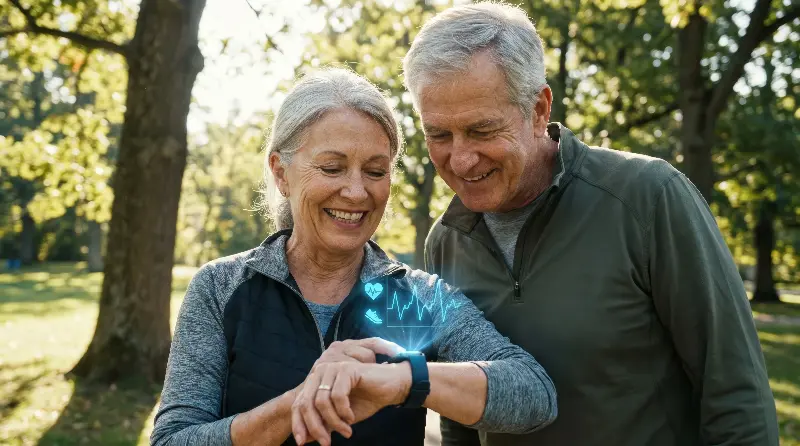
Step aside, fitness trackers—today’s smart wearables have evolved into full-fledged health guardians. From smartwatches to rings, bands, and even wireless earbuds, these sleek gadgets are no longer just counting steps or calories. They are quietly monitoring subtle signals from your body, unlocking insights that go far beyond what you can feel or sense.
Imagine your wearable device warning you about a potential health issue before you even notice symptoms. Thanks to advances in Artificial Intelligence (AI), biosensors, and data analytics, this vision has rapidly become a daily reality.
THE NEXT GENERATION OF SMART WEARABLES
Cutting-edge wearables are equipped with sophisticated sensors capable of monitoring an incredible array of biological markers. Devices like the Apple Watch Series 9, Fitbit Sense 2, and Oura Ring Gen3 have shifted the conversation from simple tracking to proactive health insights.
These devices monitor:
- Heart Rate Variability (HRV): A key indicator of your nervous system's resilience.
- Blood Oxygen Levels: Vital for spotting respiratory or sleep issues.
- Skin Temperature: Often the first sign of an immune response or hormonal shift.
- Respiration Rate: Tracking how many breaths you take per minute while resting.
What sets the latest wearables apart is their capacity to connect multiple data points. Instead of just reporting a slightly raised heart rate, a smart wearable can notice that the spike coincides with poor sleep quality and a mild fever. In some cases, devices can proactively nudge users with a message: “You may be coming down with something—consider taking it easy today.”
HOW PREDICTIVE HEALTH INSIGHTS WORK
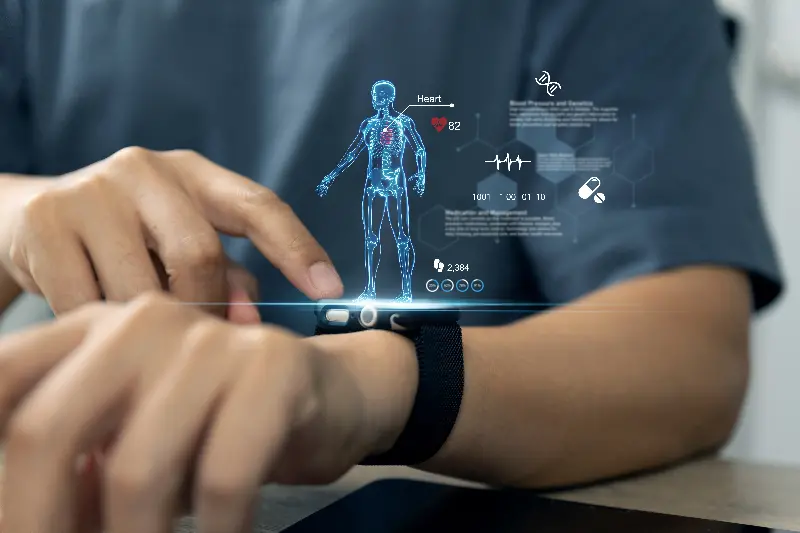
The real leap forward in health tech comes from the ability of wearables to use machine learning to find patterns. Your wearable is essentially learning about you, comparing daily variations in your biology to your own personalized baseline.
When it spots a meaningful deviation, it uses algorithms to predict potential outcomes. For instance:
- Illness Detection: A Harvard study found that a "triplet" of measurements—increased skin temperature, elevated resting heart rate, and disrupted sleep—could predict the onset of COVID-19 or the flu days before symptoms appeared.
- Recovery Optimization: Wearables can advise you on the best time to exercise based on your recovery rate, preventing overtraining.
- Mental Health: Devices can notice signs of physiological stress before mental burnout hits, prompting a "mindfulness" break.

A BOON FOR CHRONIC CONDITION MANAGEMENT
For millions living with chronic health conditions—such as diabetes, atrial fibrillation, or hypertension—predictive wearables are a genuine game changer.
- Heart Health: Apple’s ECG feature can detect irregular heart rhythms (atrial fibrillation) early, potentially preventing strokes.
- Diabetes Support: Some wearables now spot early signals of diabetic complications by merging heart rate and sweating patterns with physical activity data.
- Remote Monitoring: Healthcare providers are increasingly integrating wearable data into routine care, allowing for a "safety net" that can reduce hospitalizations by flagging deterioration before a crisis occurs.
PRIVACY, TRUST, AND THE PATH AHEAD
Of course, with great data comes great responsibility. There are valid concerns regarding privacy, data security, and personal autonomy. Most tech companies have responded by intensifying security protocols, such as:
- End-to-end encryption for all health data.
- Granular user control over what information is shared with third parties.
Another point to consider is information overload. To combat "health anxiety," manufacturers are refining algorithms to ensure that only meaningful, actionable alerts are sent to the user. It is vital to treat these devices as helpful guides—a tool in your health toolbox, rather than a total replacement for professional medical advice.

FASCINATING WEARABLE FACTS
- Space Tech: NASA uses similar wearable health tech to monitor astronauts’ well-being in the extreme environment of outer space.
- The "NBA Bubble" Success: The Oura Ring correctly predicted COVID-19 onset among NBA players in 2020 by flagging subtle temperature changes days ahead of positive tests.
- Invisible Frontier: Smart earbuds are on the horizon that can analyze respiratory rates and blood oxygen directly from the ear canal.
- Proactive Users: Research shows that 60% of wearable users have taken proactive actions—like booking a doctor’s visit or skipping a workout—based on their device’s predictions.
Wearables have transformed into sophisticated health companions. Whether you are a fitness enthusiast or simply looking to stay one step ahead of your health, this technology provides a powerful, silent safety net. Your next health hero might already be strapped to your wrist, working overtime to keep you healthy.