


The rumble of thunder, the blinding flash of lightning, the howling rush of wind—these primal signals from above remind us of the awesome power that Earth’s weather can unleash. While most days may greet us with gentle sunshine or a refreshing rain, sometimes the sky puts on a show so fierce and spectacular that it leaves us speechless. From tornadoes that whisk entire towns into the air to lightning that strikes the unlikeliest targets, the world of extreme weather is high drama on a global stage. Ready to explore some of the most astonishing facts about these wild forces of nature? Let’s chase the storm.
Powerful Thunderstorms And Lightning Mysteries
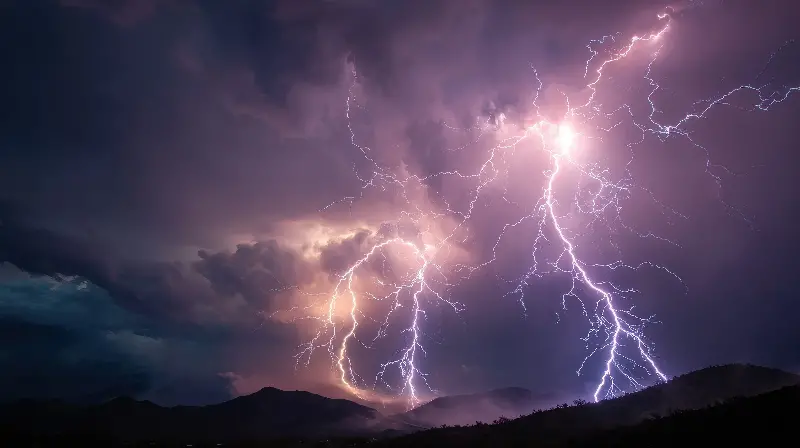
Thunderstorms are more than a backdrop for summer drama—they’re electrifying powerhouses. Each moment, about 2,000 thunderstorms are rumbling somewhere on the planet. During a typical thunderstorm, a single lightning bolt carries enough energy to power a small town for a day. But did you know that lightning doesn’t always strike from the clouds down to Earth? Sometimes it leaps up toward the sky, a phenomenon called a “bolt from the blue,” which can travel sideways and strike as far as 10 miles from the storm.
Lightning is also incredibly hot—five times hotter than the surface of the sun, reaching temperatures of around 30,000 degrees Celsius (54,000 degrees Fahrenheit). The crackling sound of thunder? That’s air exploding outward at supersonic speed due to the bolt’s fierce heat. In Venezuela, the Catatumbo lightning storm is famous for putting on one of the longest lightning displays on Earth, with flashes up to 260 nights a year and as many as 280 bolts per hour.
Tornadoes: Nature’s Spinning Supercells
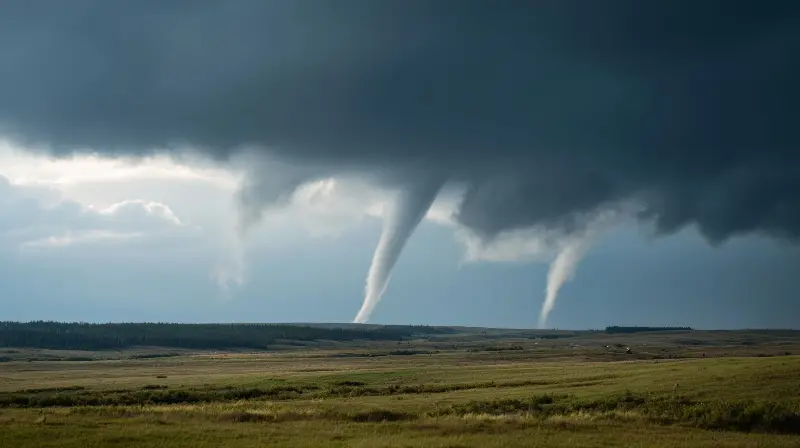
Tornadoes might only last a few minutes, but they pack winds that can exceed 300 miles per hour—strong enough to toss cars, tear roofs from homes, and turn debris into airborne hazards. While tornadoes can form almost anywhere, the infamous “Tornado Alley” in the central United States experiences more tornadoes than anywhere else on the planet.
The largest tornado in recorded history is the El Reno tornado of 2013, which reached incredible widths of 2.6 miles. But you don’t need a huge storm system to generate a twister; some of the world’s deadliest tornadoes have spun up within minutes, stressing the importance of being weather-aware. In a curious twist, “tornado superstitions” persist in some cultures—including the belief that opening windows reduces damage, but meteorologists strongly advise against it.
Hurricanes: Giant Engines Of Destruction
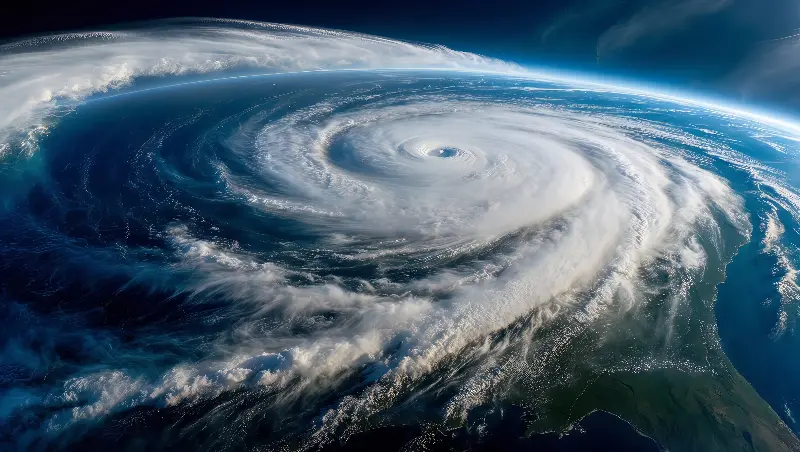
Hurricanes—known as cyclones or typhoons in other parts of the world—are massive, swirling storms that can span hundreds of miles. Hurricane winds can reach more than 150 miles per hour, while the heart of the storm, the “eye,” is often eerily calm. The most powerful hurricanes on Earth can unleash as much energy as 10,000 nuclear bombs during their life cycle.
One surprising fact: most hurricane deaths aren’t caused by wind, but by flooding. The city of Galveston, Texas, still remembers the deadly hurricane of 1900, which claimed over 8,000 lives, mostly due to storm surge—a wall of water pushed inland by the force of the hurricane. Interestingly, hurricanes need a “starter pack”—warm ocean water is the fuel, which is why they fizzle out quickly if they travel over land or cooler seas.
Extreme Heat Waves And Chilling Cold Spells

Extreme weather isn’t always about storms. Sometimes the fiercest forces arrive silently in the form of a heat wave or cold snap. The highest temperature ever reliably recorded on Earth? A scorching 56.7 degrees Celsius (134 degrees Fahrenheit) in Death Valley, California. But there are places, like the Lut Desert in Iran, where ground temperatures have soared even higher, reaching up to an estimated 70.7 degrees Celsius (159.3 degrees Fahrenheit).
Cold weather can be equally brutal. In Antarctica, the coldest temperature ever directly recorded was minus 89.2 degrees Celsius (minus 128.6 degrees Fahrenheit) at Vostok Station. Extreme cold can freeze your breath in midair or snap metal like a twig. Yet, there are brave creatures, like Antarctic fish, that survive with antifreeze proteins flowing through their veins.
Rain, Floods, And The Wettest Places On Earth
