


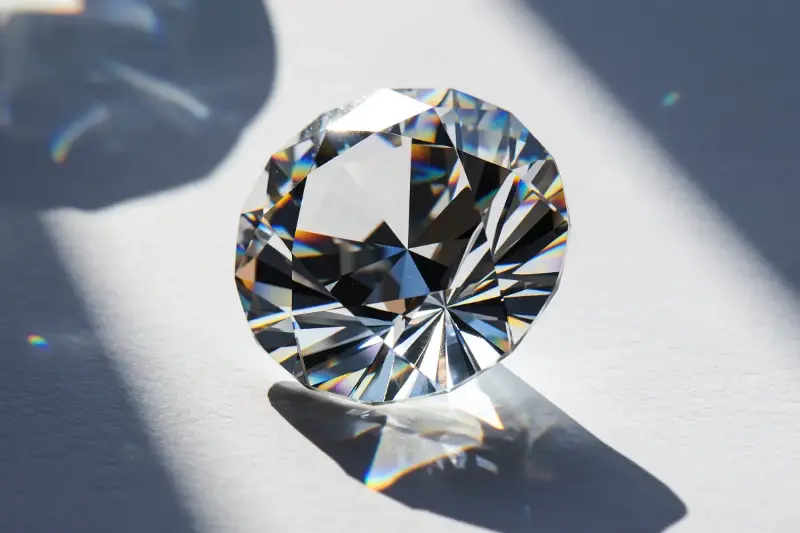
When most people think of diamonds, they imagine sparkling gems formed deep within the earth over millions of years. But not all diamonds are created equal—both literally and figuratively. As lab-grown diamonds become increasingly popular, the big question remains: are they truly the same as natural diamonds? Let’s dig into the real science behind these jewels to discover if every diamond really is "forever," or if some just shine brighter in a different way.
THE ANATOMY OF A DIAMOND
At its core, a diamond is nothing more than carbon atoms arranged in a very specific three-dimensional structure called a crystal lattice. This precise atomic organization is what gives a diamond its famous hardness—it is the hardest natural material known to science.
- Atomic Bonding: Each carbon atom forms incredibly strong bonds with four other carbon atoms.
- Earth's Pressure Cooker: These arrangements are rare. Deep beneath the earth's surface, extreme heat and pressure force carbon into this rigid structure over one to three billion years.
- The Journey Up: Volcanic eruptions eventually carry these crystals closer to the surface, where they are found embedded in ancient rock.
HOW LAB-GROWN DIAMONDS ARE MADE
Humans can now replicate these natural geological processes with stunning accuracy. Scientists use two primary methods to "grow" diamonds in a laboratory:
- HPHT (High Pressure, High Temperature): This method mimics the earth's mantle by subjecting carbon to enormous pressure and heat.
- CVD (Chemical Vapor Deposition): This involves breaking down carbon-rich gas in a vacuum, allowing pure carbon to "rain" onto a growing diamond crystal.
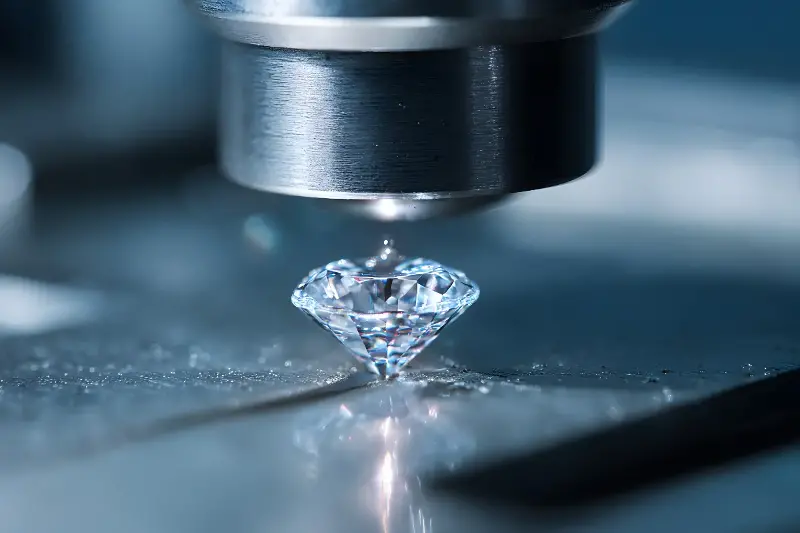
The results are dazzling. Both methods produce diamonds that are chemically, physically, and visually identical to mined diamonds. Even trained gemologists often require sophisticated spectral equipment to tell the two apart.
NATURAL VS. LAB-GROWN: THE CHEMICAL TRUTH
On a molecular level, there is virtually no difference between a mined diamond and its lab-grown counterpart. Both are pure carbon, both share the same crystal structure, and both refract light with that signature brilliance.
However, the tiny differences often lie in inclusions:
- Natural Diamonds: Usually contain minuscule amounts of nitrogen or boron trapped within, sometimes causing yellow or blue hues.
- Lab-Grown Diamonds: May contain metallic inclusions from the manufacturing process or unique "growth patterns" only visible under a microscope.
The Gemological Institute of America (GIA) now certifies both using the same strict criteria. This means Cut, Clarity, Color, and Carat weight are judged equally, regardless of the stone’s origin.
THE SCIENCE OF SPARKLE
A diamond’s magic is defined by its refractive index and its dispersion—how it interacts with light. Lab-grown diamonds can actually be "superior" in some technical aspects because scientists can control growth conditions to ensure fewer flaws.
- Clarity: Lab conditions often lead to higher clarity with fewer natural "birthmarks".
- Color: Scientists can produce whiter stones more consistently than what is typically found in nature.
- Quirks: Conversely, natural gems come with rare flaws and beautiful quirks that many collectors find romantically irresistible.
PERCEPTIONS, VALUE, AND FUTURE TRENDS
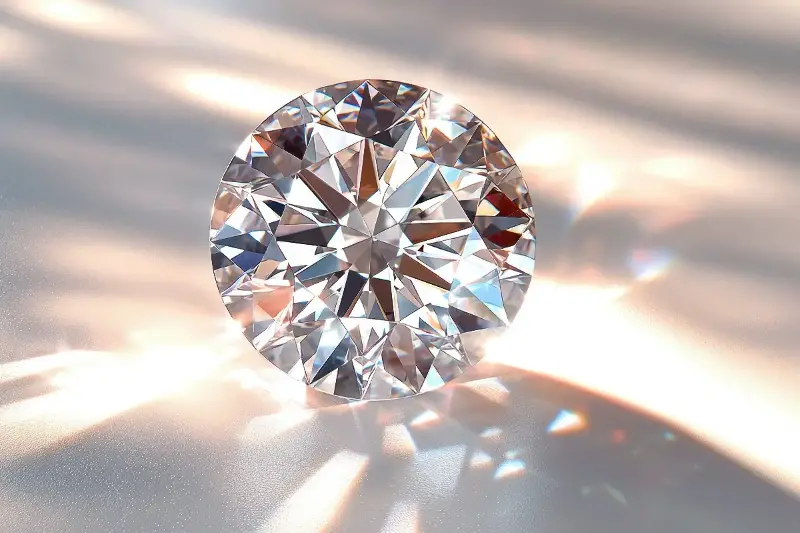
Despite the identical science, public perception still distinguishes between the two. The "romance" of something ancient, forged in the depths of the earth, often commands a premium price for natural stones.
However, the tide is shifting due to two major factors:
- Sustainability: Lab-grown diamonds eliminate many of the environmental impacts and humanitarian concerns associated with traditional mining.
- Affordability: Lab-grown stones are typically 20-40 percent less expensive than natural ones of comparable grade, giving you more "sparkle for your buck."
WHAT REALLY MATTERS: THE STORY YOU WANT TO TELL
Whether you choose a diamond pulled from ancient rock or one crafted by human ingenuity, you are selecting a stone of remarkable beauty. The real science confirms that both are "real" diamonds; the only difference is their history.
Some wearers love the legacy of a natural diamond—the geological drama and stardust origins. Others celebrate the innovation and sustainability of lab-grown gems. Ultimately, your choice should reflect your personal values, your taste, and the message you want to share with the world.