


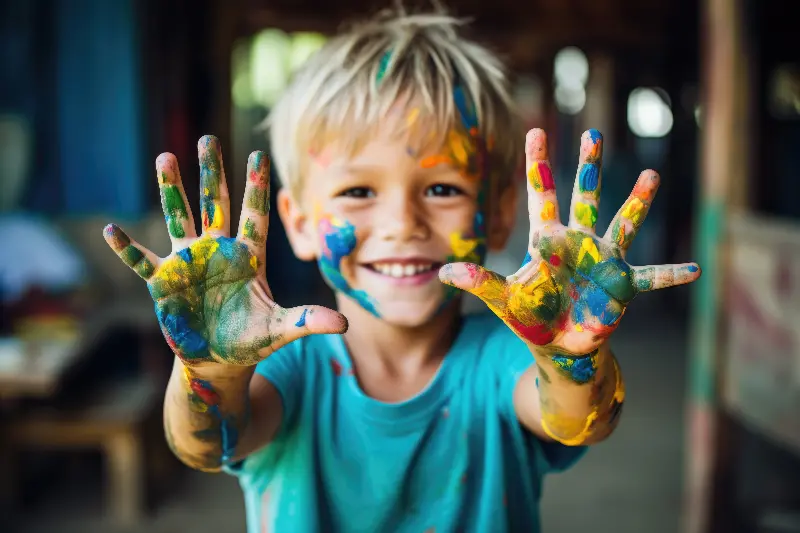
To foster a child's imagination, we must first understand that creativity is a secret superpower. It is the lens through which children explore, invent, and make sense of their world. Yet, even the most well-intentioned parents can unknowingly hold back this natural spark.
Parenting habits that seem practical or supportive on the surface can sometimes have a stifling effect over time. According to experts in child development, here are four common habits that unexpectedly put limits on a child’s creative mind.
Over-Scheduling: When Life Leaves No Room to Daydream
Modern family life often resembles a color-coded military operation. We pack calendars with piano lessons, soccer practice, and tutoring, believing that more "opportunities" lead to more "success". However, a tightly packed schedule can actually erode a child’s creative capacity.
- The Power of Boredom: Imagination needs space, just as an artist needs a blank canvas. When children experience "empty" time, they are forced to look inward to entertain themselves.
- The "Free Play" Deficit: Studies in developmental psychology show that structured, adult-guided activities don't allow for unstructured play. In free play, children must invent their own rules and solve problems on the fly.
- A Psychological Reset: Daydreaming isn't "doing nothing"—it is the brain's way of processing information and forming new, creative connections.
Sometimes the bravest thing a parent can do is to protect unscheduled time on the calendar. By backing off, you allow your child to discover the "boredom" that inevitably sparks invention.
Constant Correction: The Creativity Drain of "Getting It Right"
Every parent wants to point their child in the right direction. However, when every drawing is adjusted, every game is steered, or every story is "fixed," children begin to doubt their own instincts.
- Approval vs. Experimentation: Research reveals that children who receive frequent correction for their play are more likely to seek external approval rather than internal satisfaction.
- Risk Aversion: If a child feels there is a "right" way to draw a tree, they will stop trying to draw it in a way that feels unique to them. This chips away at their willingness to take creative risks.
- The Imaginative "Error": A child’s blue tree or upside-down house isn’t a mistake; it’s imagination in action.
Tip: Reserve correction for issues of safety or behavior. When it comes to creative expression, let the child take the lead. Celebrate the unrealistic—it is the hallmark of a flexible mind.
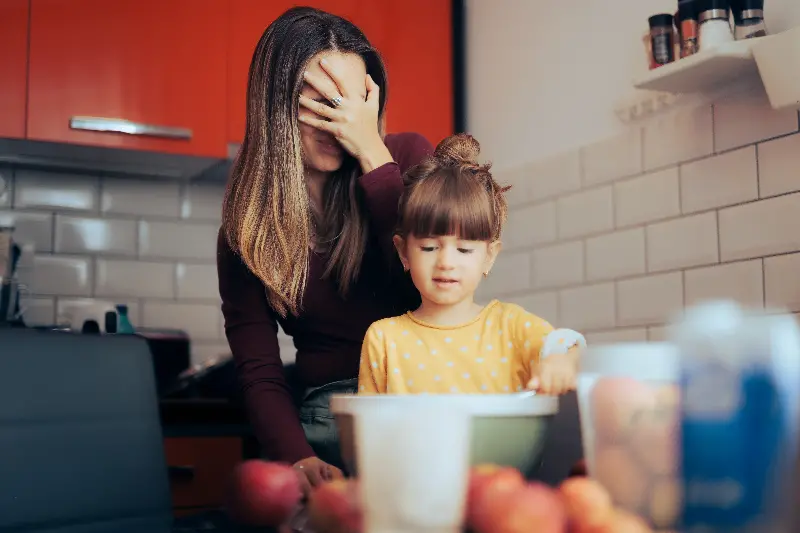
Praising Only Achievements: Rewarding Results Over Effort
Encouragement is essential, but the way we praise can shape a child’s outlook for life. If we only celebrate the "A" on a test or the trophy at a recital, we inadvertently teach children that the outcome is more important than the journey.
- Fixed vs. Growth Mindsets: Psychologist Carol Dweck’s research highlights that praising effort ("I love how hard you worked on this story!") fosters a growth mindset.
- The Fear of Failure: If a child is only praised for "perfection", they may become afraid to try anything new for fear of producing an "imperfect" result.
- Celebrating the Mess: Innovation is often born from "joyful messiness". Celebrate the half-finished projects and the failed experiments; these are the moments where true learning happens.
Solving Problems for Them: Denying the Chance to Tinker
It is heart-wrenching to watch a child struggle, whether they are fighting with a stubborn Lego piece or navigating playground politics. But "swooping in" too early robs them of a vital experience: the trial-and-error process.
- Building "Creative Confidence": Psychologists define this as the belief that one can tackle challenges and bounce back from setbacks. This confidence is built only through actual struggle and eventual success.
- Ask, Don't Tell: Instead of giving the answer, try asking open-ended questions like:
- "What else could you try?"
- "How would you do it differently?"
- "What happens if we flip this upside down?"
Stepping back doesn't mean offering no support; it means providing a model for perseverance rather than a shortcut to the solution.

Conclusion
Creativity is remarkably resilient, but it thrives best in an environment of trust and freedom. By shifting these subtle habits—giving children the space to dream, the permission to be "wrong", and the opportunity to struggle—parents become true champions of their kids’ inventive abilities.
The greatest masterpiece any parent can leave behind is a child who believes in the limitless possibilities of their own mind.