


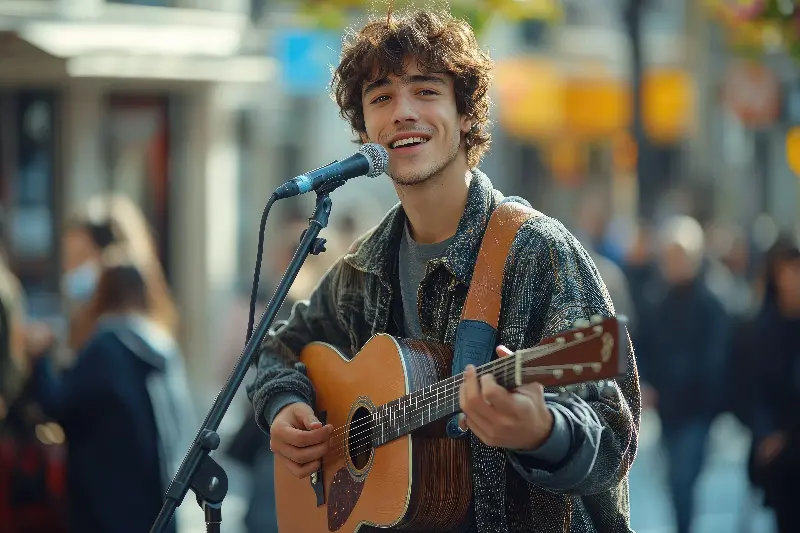
Step onto almost any bustling city street from New York to New Delhi, and the odds are high you’ll encounter something instantly recognizable and deeply human: a performer, hat upturned, filling the air with music, magic, or feats of daring. Busking—often known as street performance—remains a magical thread weaving together the urban and artistic tapestry of cultures all around the globe. While technology and times change fast, busking endures, rich in history and ever-adaptable, making it one of the world’s most colorful and unifying artistic traditions.
A Tradition With Ancient Roots
From ancient Rome’s forums to the bazaars of Marrakech, people have always been drawn to public artistry. Busking is no modern fad—it is a form that can be traced to civilizations thousands of years past. Ancient Greek playwrights would test their lines on bustling marketplaces, while medieval troubadours serenaded townsfolk and nobles alike.
Travelers in 19th-century London may have been delighted by organ grinders and acrobats near Covent Garden, just as today’s tourists pause for a break in the chaos of Piccadilly Circus to watch a violinist or mime. The tradition even appears in folk tales and literature, speaking to our universal connection to spontaneous acts of expression.
Democracy Of Expression
One of busking’s most remarkable aspects is its accessibility. Anyone—regardless of background, training, or wealth—can take to the streets and share their talent. All that’s really required is passion, a bit of courage, and a public space. This sense of openness is at the core of busking’s appeal.
It’s also uniquely democratic for the audience. People strolling by are free to stop for a moment or linger for an entire show, to toss in a coin or simply applaud. The space between artist and audience is razor-thin. Many famous artists, from Ed Sheeran to Tracy Chapman, started as buskers, earning not just a living but direct, unfiltered feedback from strangers on the street.

A Living Canvas Of Cultures
Busking brings together artistic traditions from every corner of the world and puts them on display for anyone to enjoy. On a single city block, you might hear a classical cellist, meet a West African djembe drummer, or watch a Brazilian capoeira demonstration. Every performance is a window into another part of the world.
This cultural bazaar benefits both artists and audiences. Visitors to Dublin might hear familiar Irish jigs played with fire, but also encounter Eastern European folk tales or South American tango dancers. For locals, it can mean new experiences without buying a ticket or traveling far from home. In this way, busking not only preserves ancient traditions—it helps them evolve and reach new fans.
The Power To Unite Strangers
Few forms of art can instantly gather people of all backgrounds—tourists, families, office workers, and children—into a single appreciative crowd. On a busy day, a well-played song or mesmerizing routine can cast a kind of spell that quiets the noise of the city and draws even the most hurried person to a stop.
Many communities credit buskers with helping city streets feel more alive, friendly, and safe. Some studies even suggest that the sound of public music by buskers can reduce commuter stress and promote a sense of belonging. It is, in essence, a daily reminder that beauty and creativity are for everyone, everywhere.
And busking is often a family tradition, handed down through generations. Parents share their skills and songs with their children, keeping their heritage alive in the process. Sometimes the bond formed between performer and audience is more than musical—it's about the shared moment of human experience.
Inventiveness And Adaptation
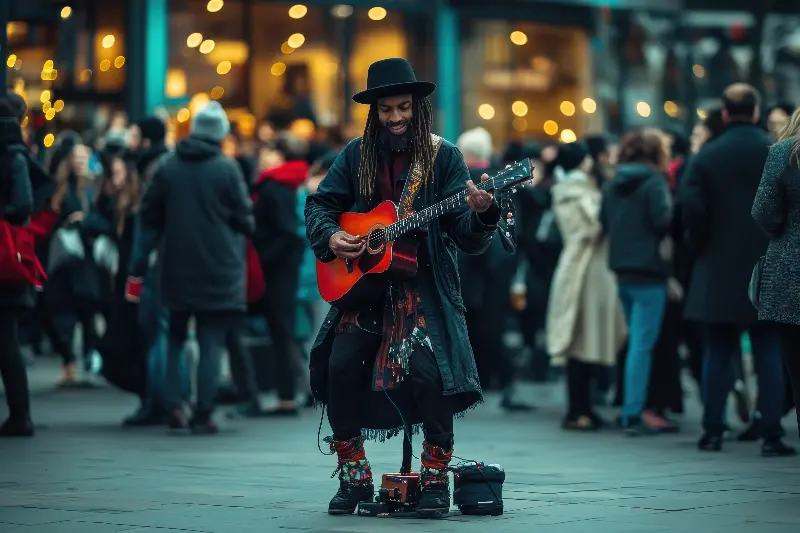
Buskers are endlessly inventive, adapting not just their art, but their techniques to the mood of the street and the personality of the crowd. Some artists use creative props, others rely on natural charisma, and many develop unique routines that wouldn’t quite fit the formal stage. Because their livelihood depends on catching attention fast, they often become masters of surprise and engagement.
As cities have modernized, so have buskers. Social media and streaming platforms now help performers build local and global audiences, and digital wallets make donations easier than ever. Many buskers balance live and online performances, ensuring their work is both locally impactful and globally connected. Some even use their street art as a springboard into established careers in music, theater, or film.
Busking’s Future: Bright And Global
Today, cities from Sydney to San Francisco actively support buskers by issuing permits or hosting annual festivals that celebrate street art in all its vibrant forms. The World Buskers Festival, for example, draws tens of thousands of fans to New Zealand each year. Even during times of social disruption, buskers have found inventive ways to entertain—whether performing from balconies during lockdowns or live-streaming from public spaces.
At its heart, busking is more than a way to make a living; it is a statement about the value of creativity in daily life. In a world that often feels divided, a spontaneous performance on a street corner can remind us of what we share: curiosity, joy, and the undeniable thrill of a surprise encounter with art. As long as city streets exist and people have stories to tell, busking will continue to flourish—colorful, unifying, and forever irresistible.