


It's a creature straight out of a storybook, one that captures the imagination and embodies the might and majesty of the animal kingdom's two most regal felines—the lion and the tiger. Meet the liger, a remarkable hybrid that is the offspring of a male lion and a female tiger. These extraordinary animals are not found in the wild; rather, they exist solely in captivity where they inspire awe, curiosity, and sometimes controversy.
The Genetics of Gigantic Proportions
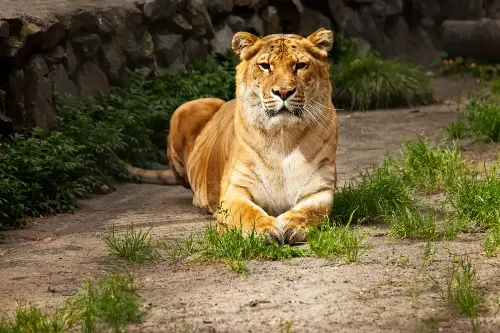
Ligers are the largest of all known felines, surpassing both their lion fathers and tiger mothers in size and weight. At first glance, it's clear that these majestic beasts have inherited the best of both worlds. They often boast the tawny coat of a lion and the shadowy stripes of a tiger. But it's their sheer size that truly sets them apart. Male ligers can grow to be over 3 metres long and weigh upwards of 400 kilograms, making them true giants among cats.
This colossal size is a consequence of a phenomenon known as hybrid vigor. In absence of growth-limiting genes from the same species, ligers continue growing throughout their lives, courtesy of a gene inherited from their lion sire. This contrasts with the growth-inhibitory genes present in both lions and tigers, which normally regulate their size.
Exploring the Liger's Behaviours and Characteristics
Though their existence is controversial, observing ligers in captivity provides valuable insights into their behaviour and temperament. Many reports suggest that ligers share traits from both parents: they enjoy swimming like tigers and are sociable like lions, often content in the company of others. Their vocalisations are distinctly unique, blending the deep roar of the lion with the more guttural growl of the tiger.
The environment provided for captive ligers plays a crucial role in their overall well-being. They require expansive spaces for exercise, large pools for swimming, and enriched environments to stimulate their keen intellect. Their diet resembles that of their wild counterparts, comprising mostly of meat and requiring careful management to ensure they maintain a healthy weight despite their propensity for rapid growth.
The Rarity and Ethical Dilemma of Liger Breeding
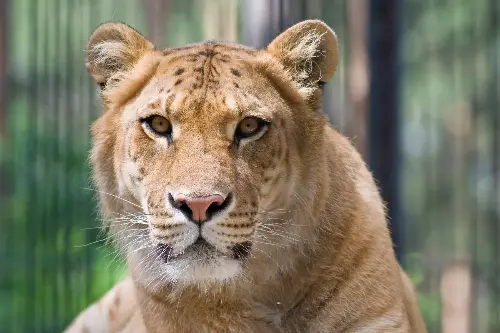
Ligers are not only rare; they are something of a genetic anomaly. Because lions and tigers do not share the same habitat, ligers do not occur naturally. The ethics of deliberately breeding ligers are complex and hotly debated. Critics argue that the creation of hybrid animals serves no conservation purpose and raises significant welfare concerns—ligers, for instance, can suffer from health issues due to their unnatural size and may face shorter lifespans as a result.
Conservationists stress the importance of focusing efforts on protecting existing endangered species in their natural habitats. Breeding programs, they argue, should aim to bolster genetic diversity within species rather than create hybrids which have no place in the natural order.
The Allure and Conservation Education Potential
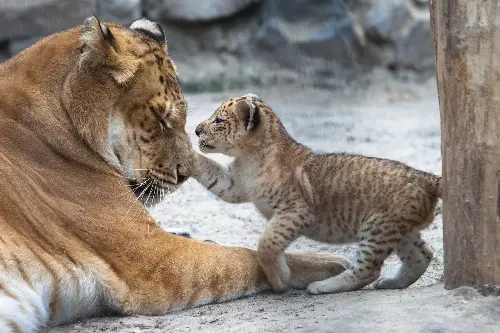
Despite the ethical debates, the fascination with ligers persists. They draw crowds to zoos and animal sanctuaries, mesmerising visitors with their imposing presence and stirring discussions about conservation issues. Importantly, this interest can be harnessed for educational purposes. If presented responsibly, ligers can be ambassadors for their wild relatives, prompting public discourse on habitat conservation and the threats that jeopardise great cats worldwide.
In the controlled environment of a sanctuary, some liger individuals are part of programs that aim to raise awareness about bigger conservation challenges. Through careful messaging, they provide entry points for conversations about the illegal wildlife trade, the importance of genetic diversity, and the preservation of ecosystems.
Looking to the Future of Hybrid Animals
The destiny of ligers remains as tangled as their genetic tapestry. With great size comes great responsibility, and the future of ligers is indelibly tied to our willingness to care for them with the respect and consideration they deserve. As the debate on their propagation continues, these hybrid creatures compel us to reflect on the ethics behind our interventions in nature and the ultimate impact of our curiosity.
In a world where the existence of entirely pure species is under threat due to human activity, ligers serve as an intriguing footnote in our planet's vast biological narrative. They are a reminder of both nature's complexity and our own influence upon it. The story of the liger, shrouded in charm and controversy, prompts us to think more deeply about the wild legacy we wish to leave behind for generations to come.
Ligers invite us to marvel at the wonders of the natural world, even as they represent a creation entirely of our own making. Their presence is a paradox, inspirational and yet a wake-up call—a powerful symbol of man's dominion over nature, and a poignant reminder of the responsibility that comes with it.