


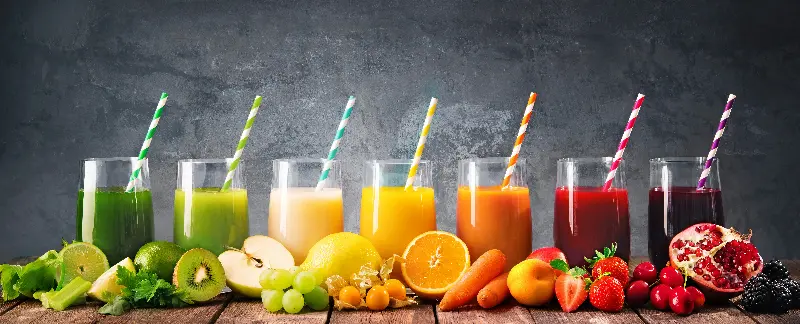
There’s an age-old debate bubbling at wellness bars, juice shops, and kitchen counters alike: what’s actually better for you—slow-pressed juice or a smoothie? Both promise an easy way to sneak more fruits and veggies into your day, but each option has its loyal fans and critics. For health enthusiasts in 2026 wanting to maximize nutrition, flavor, and convenience, understanding the facts behind these two popular drinks can make all the difference.
DEFINING THE GLASS: EXTRACTION VS. BLENDING
To choose the right drink, you first have to understand the mechanics of how they are made.
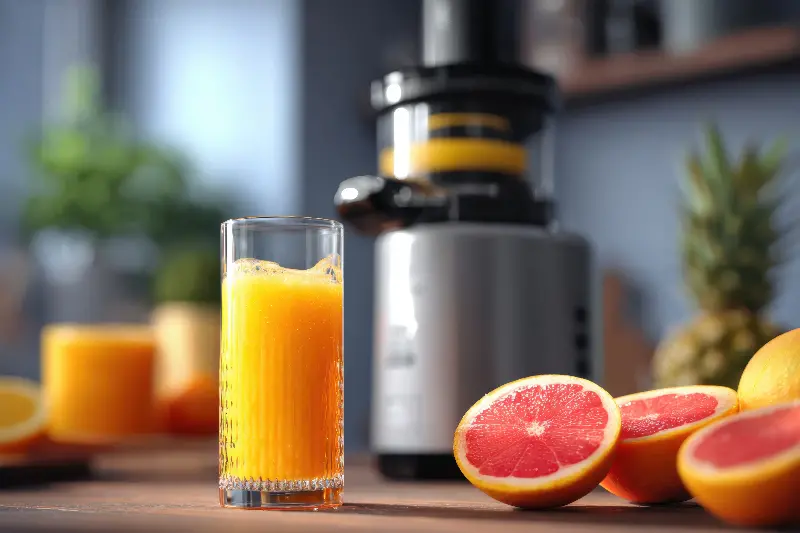
- Slow-Pressed Juice: Also known as cold-pressed, this is made using a hydraulic press that applies enormous force to produce. This process extracts liquid without adding heat, which is believed to preserve heat-sensitive vitamins and enzymes better than traditional high-speed juicers.
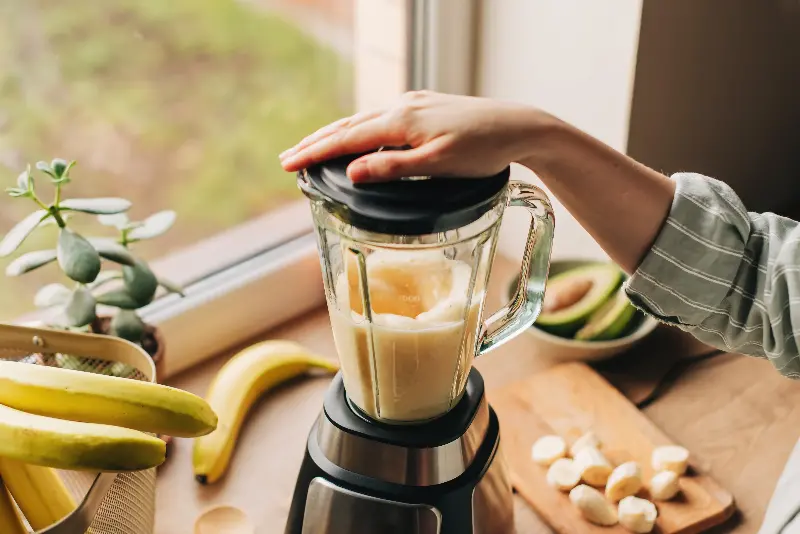
- Smoothies: These are blended beverages that incorporate the whole fruit or vegetable. Because nothing is removed, the fiber remains intact. They serve as a versatile base for "boosters" like nuts, seeds, protein powders, or yogurt.
NUTRITIONAL SHOWDOWN: FIBER, VITAMINS, AND SUGAR
The biggest point of difference between these two is fiber. This one element changes how your body processes every sip.
- The Fiber Factor: Slow-pressed juice leaves the pulp behind. Without fiber, the nutrients are absorbed almost instantly into the bloodstream. This is a "rapid-fire" nutrient boost, but it can cause a spike in blood glucose levels.
- Satiety and Stability: Smoothies keep the fiber, which slows down the absorption of sugar and keeps you feeling full. This makes a smoothie a more satiating choice for a meal replacement or a mid-afternoon snack.
- Micronutrient Density: Because slow-pressed juicing is gentle, it excels at preserving vitamin C and polyphenols. However, smoothies win when it comes to fat-soluble vitamins (like A, E, and K), provided you blend them with a source of healthy fat like avocado or nut butter.
FLAVOR, VARIETY, AND THE SENSORY EXPERIENCE
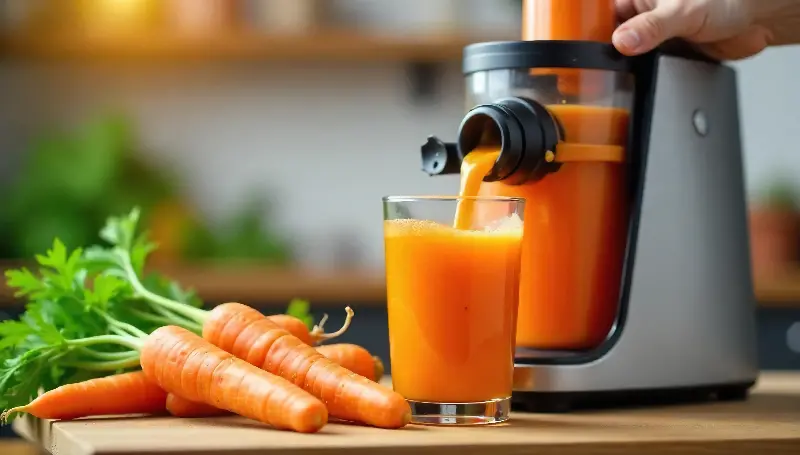
Drinking a slow-pressed juice is about savoring the pure, unadulterated flavor of raw produce. It feels like an instant shot of vitality. Because juicers can handle hearty vegetables that are difficult to eat raw—like beets, wheatgrass, or turmeric—you can consume a massive volume of greens in a single glass.
Smoothies, by contrast, are all about texture and creativity. They can be thick, creamy, and even indulgent. The flexibility to add grains and superfoods allows smoothies to fill the role of a liquid breakfast or a healthy dessert. They are the ultimate "hidden veggie" tool for families.
CONVENIENCE, STORAGE, AND THE BOTTOM LINE
If you are short on time, the blender is likely your best friend.
- Speed: Making a smoothie is fast and mess-free. Cleanup generally involves a single jar.
- Cost: Smoothies stretch your ingredients further. Juicing can be expensive; it often takes several pounds of produce to create one small glass of juice.
- Shelf Life: Slow-pressed juices have a very short shelf life—usually 24 to 48 hours—before the nutritional quality begins to dip. Smoothies can be prepped in "packs" and frozen, making them ideal for a busy work week.

MAKING THE CHOICE: IT'S ABOUT YOUR GOALS
Which should you choose? It depends entirely on what your body needs at the moment.
- Choose Slow-Pressed Juice if: You want a concentrated nutrient hit with minimal digestive effort, or if you are looking for a refreshing, light beverage to supplement a meal.
- Choose a Smoothie if: You need a filling meal replacement, want to maintain stable blood sugar, or need a post-workout recovery drink with added protein and healthy fats.
Ultimately, both drinks offer significant health benefits. In 2026, the best approach is often balance. Why choose just one when you can enjoy a vibrant green juice in the morning and a protein-packed smoothie after the gym?