


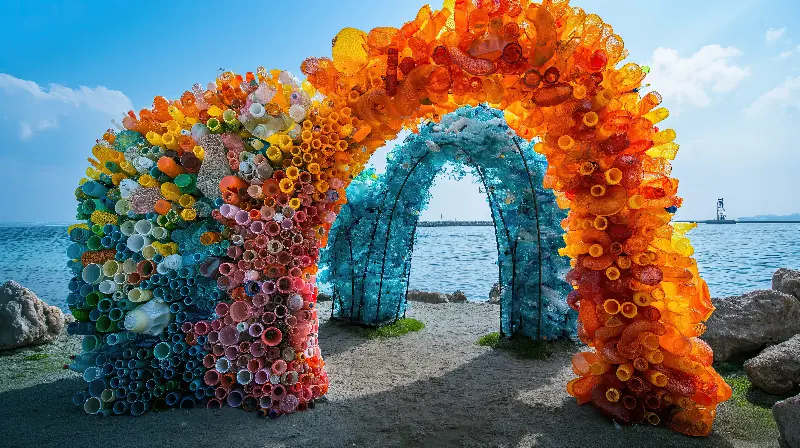
In the modern world, where environmental concerns and creativity often walk hand in hand, a remarkable movement is transforming our view of waste. More and more artists are finding inspiration in discarded materials, crafting sculptures that are as eco-friendly as they are stunning.
These visionary creators are not just making art—they are turning trash into treasure, giving new life to refuse that would otherwise crowd our planet. The world of sustainable sculpture is a testament to human ingenuity and a vibrant celebration of the beauty that can emerge from forgotten objects.
THE RISE OF ECO-FRIENDLY ART
Over the last two decades, the global art scene has witnessed a powerful shift towards sustainability. With climate change at the forefront of public consciousness, artists have begun exploring ways their practice can promote environmental responsibility. This has led to the birth of sustainable sculpture, a genre defined by its use of recycled, upcycled, or repurposed materials.
From fractured glass bottles to twisted metal scrap, artists are scouring landfills, junkyards, and beaches to find their raw materials. This choice is driven by several key factors:
- Resource Conservation: Reducing the demand for new, raw materials like virgin metals or plastics.
- Narrative History: Every component tells a story—a rusted gear or a weathered piece of driftwood carries its own past life into the new work.
- Global Advocacy: In cultural hubs like Berlin, Cape Town, and San Francisco, collectors are championing these works to highlight the importance of "thinking green".
TECHNIQUES THAT TURN TRASH INTO ART
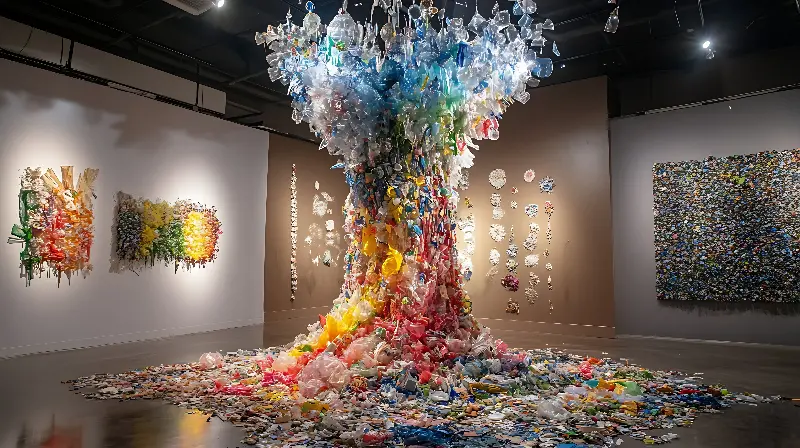
The transformation of everyday refuse into breathtaking sculpture requires more than just artistic vision—it demands technical mastery. One common technique is assemblage, where artists join different objects together with wires, adhesives, or welding.
Consider the diverse methods utilized in the studio:
- Weaving and Binding: Artists like Nigeria’s Adejoke Tugbiyele weave plastic bags and industrial wires to create intricate forms.
- Material Reconstitution: Melting aluminum cans or glass bottles to mold them into entirely new shapes, a process requiring deep knowledge of material science.
- Creative Upcycling: Old car parts might become the feathers of an enormous bird, while shards of broken crockery form the scales of a glistening fish.
The innovation is limitless. Sculptors often combine materials that never would have met otherwise, inviting viewers to recognize the hidden potential in everyday waste.
MEANING AND MESSAGE BEHIND THE MATERIALS
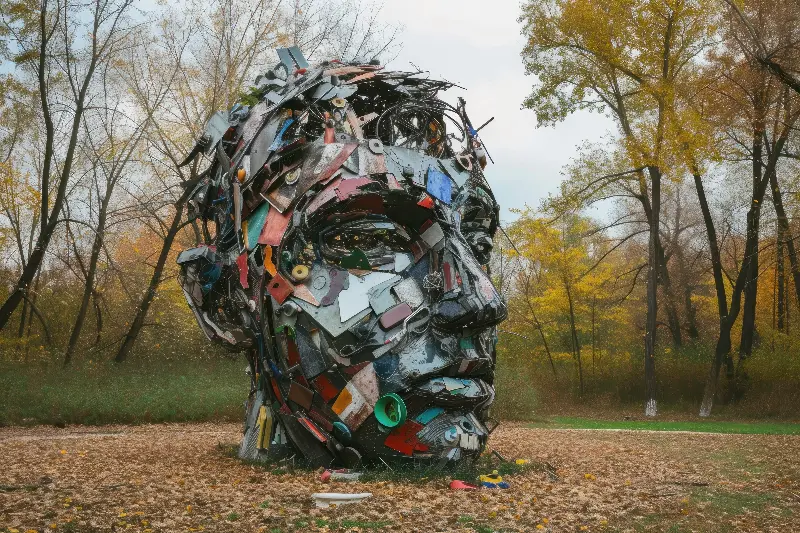
While the visual impact of sustainable sculpture is undeniable, its true power lies in the stories it tells. These works force us to reconsider our throwaway culture, prompting questions about consumption and responsibility.
When Brazilian artist Vik Muniz created portraits from thousands of pieces of garbage collected by landfill workers, he simultaneously celebrated human dignity and challenged the audience to reflect on value.
Many sustainable sculptures spark conversation on crucial issues:
- Ocean Plastic Pollution: Large-scale installations made from beach debris.
- Electronic Waste: Sculptures crafted from discarded circuit boards and wiring.
- Deforestation: Using reclaimed wood to highlight the loss of natural habitats.
By placing these problems at the center of their art, creators bridge the gap between environmental activism and visual storytelling.
ENGAGING COMMUNITIES AND INSPIRING CHANGE
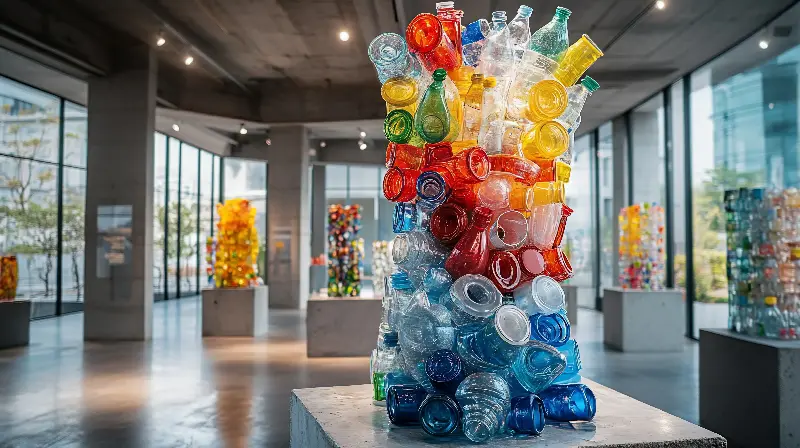
One of the most exciting aspects of sustainable sculpture is its ability to bring communities together. Public art initiatives often invite local residents to donate materials or participate in the creation process. For instance, artist Jane Perkins collaborates with schoolchildren, transforming bottle caps and toys into colorful portraits.
The educational impact is profound:
- Public Awareness: Installed in parks and city squares, these sculptures serve as dynamic teaching tools.
- Empowerment: Children and adults learn that they can contribute to waste reduction through creativity.
- Interactive Learning: Art fairs and sustainability festivals encourage people to start their own upcycled masterpieces at home.
A GLOBAL CANVAS: INNOVATIVE ARTISTS LEADING THE WAY
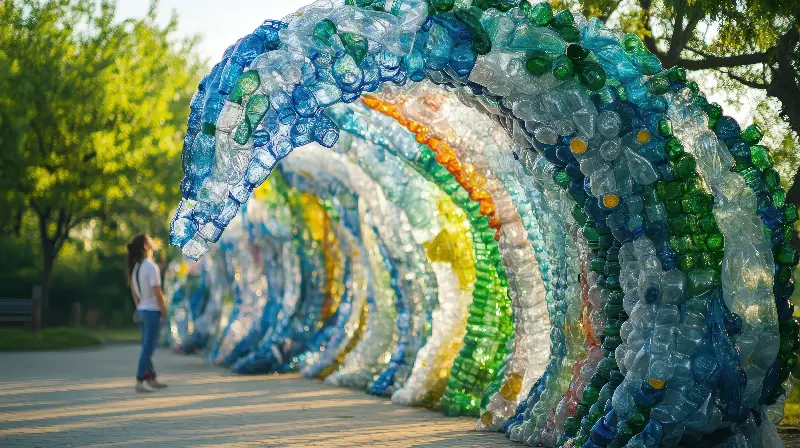
Sculptors all over the world are making their mark with eco-friendly creations. Ghana’s El Anatsui is famous for his monumental wall hangings woven from bottle caps and aluminum, resembling dazzling, fluid tapestries. In the United States, John Dahlsen crafts massive installations from plastic debris collected along coastlines.
Even major art institutions are taking note. The Venice Biennale, one of the world’s top art celebrations, has featured major showcases focused on environmental themes—proof that eco-art has taken its rightful place on the world stage.
Our world is awash in discarded objects, but in the hands of visionary artists, each piece of trash becomes a seed for creativity. Sustainable sculpture reminds us that even what we throw away can be a source of awe. The next time you pass a pile of junk, imagine the possibilities—it just might be the start of something beautiful.