


Most parents know the struggle: you’ve spent time chopping, sautéing, and steaming a colorful variety of vegetables, only to have your little one push them around the plate or, worse, off the table entirely. While experts everywhere agree on the benefits of eating more greens, convincing children to take those first bites can sometimes feel impossible. But making veggies appealing doesn’t always require a battle of wills. With the right strategies, you can transform mealtimes into a positive experience that fosters healthful habits—and perhaps discover that your child’s new favorite food is something you never expected.
Make Vegetables the Hero, Not the Villain
Believe it or not, presentation and language matter as much as the food itself. When vegetables are introduced as a requirement or punishment, kids are far more likely to resist. Research published in the journal Appetite suggests that children are more motivated to eat vegetables when they feel involved and when the food appears appealing. Instead of framing broccoli as a hurdle that must be crossed to get dessert, frame it as a fun food with its own superpowers.
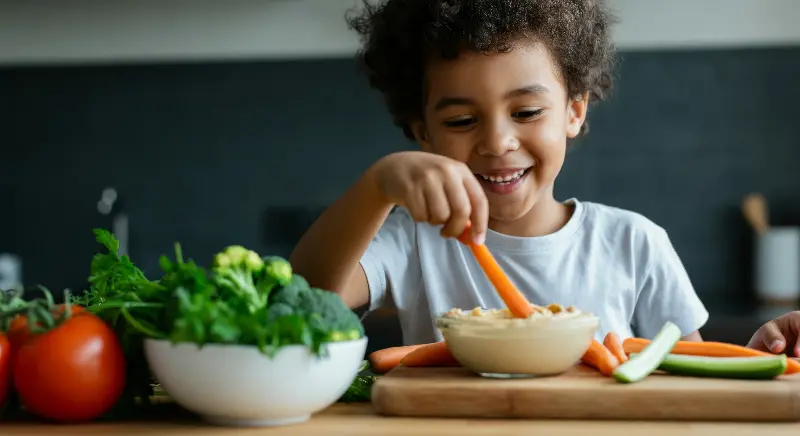
Give vegetables an engaging role at the table. For instance, turn carrots and sugar snap peas into “bunny food” for energetic play-breaks during dinner, or present broccoli as “mini trees” that dinosaurs (forks) need to stomp through. You can even get creative with serving dishes—arrange veggies in rainbow patterns or create veggie faces or animals. Eating with their hands and dipping veggies into bright sauces like hummus or yogurt can break monotony as well. This playful approach not only bolsters curiosity but reduces the pressure that often surrounds vegetables.
Additionally, allowing children to participate in preparing vegetables increases both their exposure and investment in what ends up on the plate. Even toddlers can help wash peas, sprinkle seeds, or arrange cherry tomatoes into shapes. By establishing a sense of ownership, kids are more likely to taste and enjoy what they’ve helped create.
Mix, Match, and Hide for Flavorful Success
Let’s face it, not all vegetables taste equally delicious to every child. But you don’t have to serve plain steamed broccoli night after night. Experimenting with textures, flavors, and pairings can make all the difference. A 2020 study from the Journal of Nutrition Education and Behavior found that children are more receptive to vegetables when they are combined with familiar foods or presented with new flavors.
Start by combining veggies with favorite meals—think grated carrots or zucchini in pasta sauces, spinach blended into fruit smoothies, or sweet bell pepper slices alongside pizza. Sauces, dips, and even a sprinkle of cheese can go a long way. Roasting vegetables often brings out a natural sweetness that steaming never could. Try roasting cauliflower florets with a pinch of parmesan or sweet potato wedges with a touch of cinnamon.
If you’re worried about pushing boundaries too fast, start with mild flavors and gradually introduce stronger-tasting vegetables. For example, blending mild steamed cauliflower into mashed potatoes is a popular “sneaky” method parents swear by. However, experts recommend eventually revealing what’s been added so kids can develop trust and understanding rather than only consuming veggies by stealth.
Letting children dip their veggies can also increase intake. A fun fact: a Cornell study demonstrated that children ate 62% more vegetables when a dip was offered. Whether it’s classic hummus, ranch, or a simple homemade yogurt dip, the act of dipping can turn what feels like an obligation into entertainment.

Involve Kids in the Whole Journey
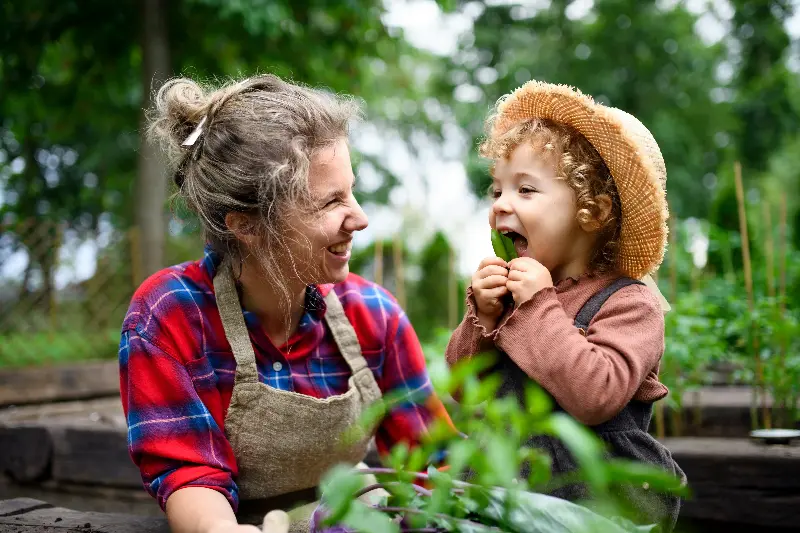
Children are naturally curious about where their food comes from—an opportunity savvy parents can use to encourage adventurous eating. Studies show that kids who have a hand in planting, watering, or harvesting their own vegetables are far more likely to eat them. While a backyard garden is ideal, even apartment dwellers can try growing herbs or sprouts on a windowsill.
Take things a step further by bringing kids to farmers’ markets or the produce aisle, encouraging them to pick a new vegetable “challenge” each week. Ask questions about colors, shapes, or names—often, novelty alone will pique their interest enough for a taste test at home. Children are proud of their selections and curious to see how these new foods transform from store or garden to dinner table.
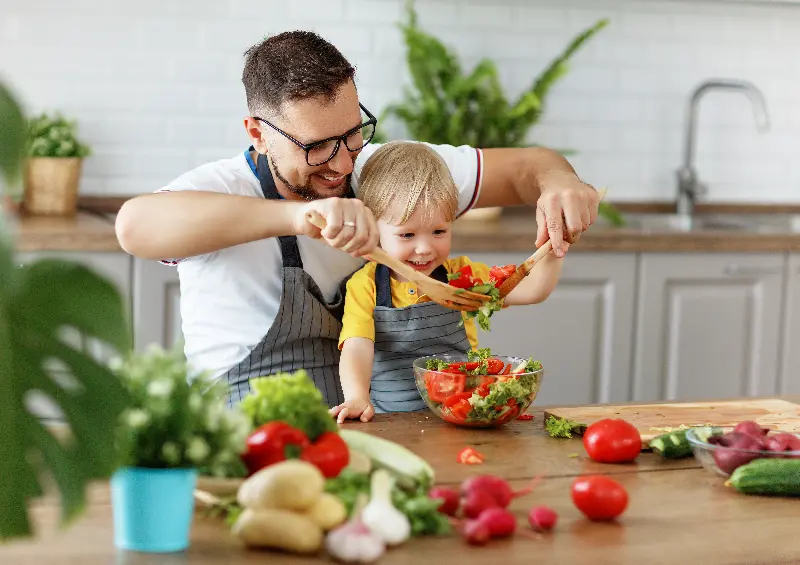
Cooking together goes beyond meal prep; it’s also a chance to teach about nutrition, taste, and even family heritage. If there’s a traditional vegetable dish in your family, involve your children in preparing it, sharing stories behind its significance. This not only helps them form positive associations with vegetables but instills a sense of tradition and belonging.
Transforming mealtime into a vegetable-friendly zone is less about individual foods and more about the experience. When eating veggies is woven into daily life—not forced, but celebrated—children are more likely to build lifelong healthy habits. While not every attempt will be a resounding success, your patience and creativity today can help shape a lifetime of adventurous, balanced eaters tomorrow.