


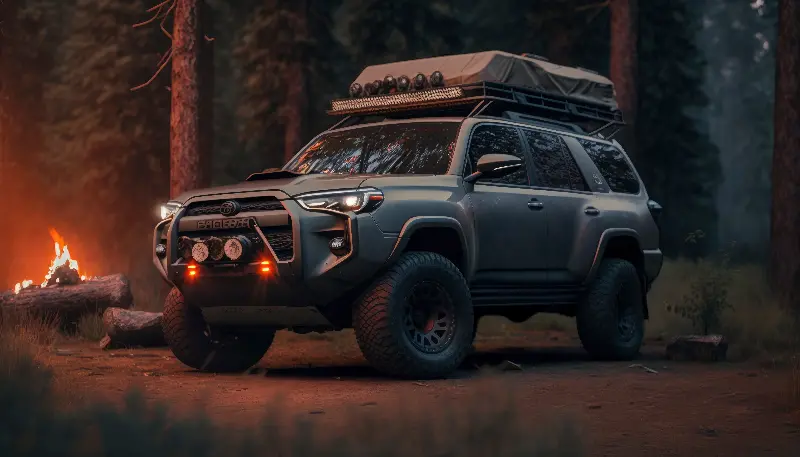
Venturing into the forest for an off-road adventure is an experience unlike any other. The thrill of carving your own path, the fresh scent of pine, and the echo of birdsong—there’s something downright magical about leaving paved roads behind.
But while the wild offers countless rewards, it also demands respect. Preparation is the key to both safety and enjoyment when exploring unmarked trails. Having the right gear can turn a potential disaster into a story worth sharing. Whether you drive a rugged 4x4, a custom SUV, or a nimble ATV, there are certain essentials that no off-roader should ever forget.
Navigation Tools: Beyond Just A Map
Long gone are the days when a simple map was enough for safe exploration. In today's world, having reliable navigation is not just about convenience; it is a matter of survival.
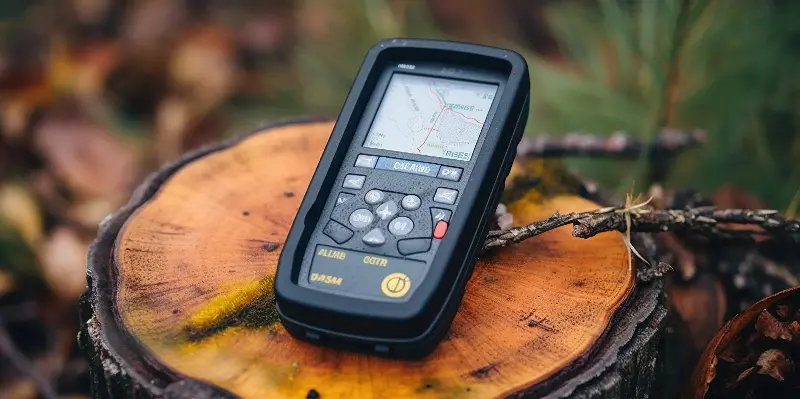
- GPS Devices: Specifically designed for off-roading, these units can track your route, mark waypoints, and help rescuers find you if you get lost.
- Satellite Communicators: Devices like the Garmin InReach allow for two-way messaging even when cell towers are hundreds of miles away.
- The Analog Backup: Technology has a way of failing when we least expect it. Dead batteries or water damage can render a digital navigator useless. Always carry a topographical map and a magnetic compass tailored for your specific area.
Take a few minutes before your trip to study the landscape and identify key features like ridges, rivers, and emergency exit routes.
Recovery Equipment: Getting Unstuck Safe And Sound
If you've ever felt the stomach-dropping sensation of your tires spinning helplessly in mud or snow, you know how quickly a fun day can turn frustrating. Proper recovery gear is your insurance policy against the elements.
- Tow Straps & D-Rings: Ensure your strap is rated for your vehicle’s weight.
- Traction Boards: Often called Maxtrax, these boards are literal lifesavers in soft sand or deep mud.
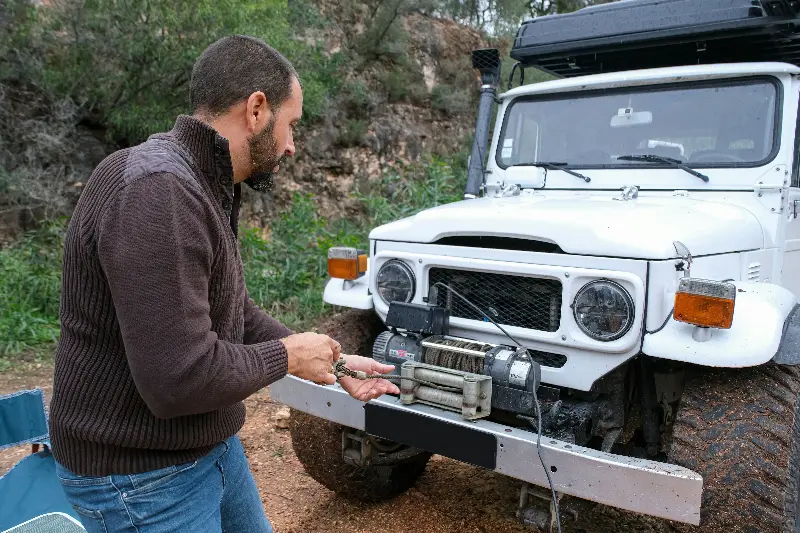
- The Winch: A favorite among serious off-roaders. A safe rule of thumb is a winch rated for 1.5 times your vehicle’s gross weight.
- The Essentials: Never forget a heavy-duty shovel and a sturdy pair of work gloves to protect your hands during high-tension recoveries.
Emergency Medical Kit: Preparedness When It Counts
Even the most carefully planned adventures can hit a bump—literally. Having a well-stocked emergency medical kit can turn what might become a crisis into a manageable hiccup.
A professional-grade kit should include:
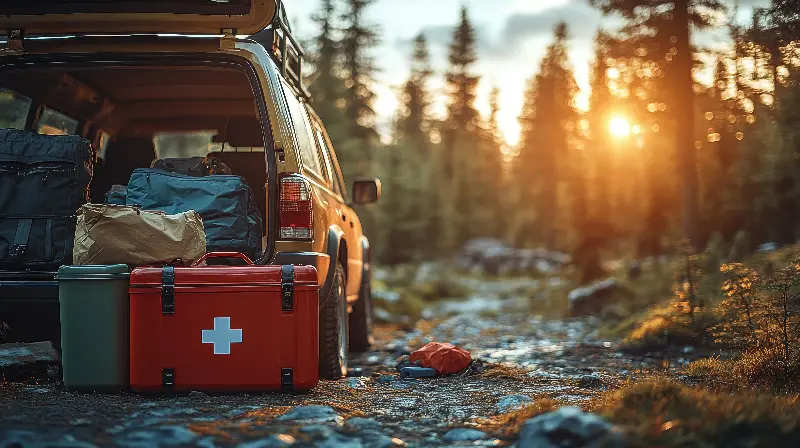
- Trauma Supplies: Antiseptic wipes, gauze pads, wound dressings, and trauma shears.
- Specialized Meds: Epinephrine auto-injectors for severe allergies and any personal prescriptions.
- The Basics: Blister treatments, pain relief tablets, and burn ointment.
Consider taking a wilderness first-aid course. It’s the kind of training you hope never to use, but you will be eternally grateful for every skill learned if the situation arises.
Fire And Light: Staying Safe When The Sun Goes Down
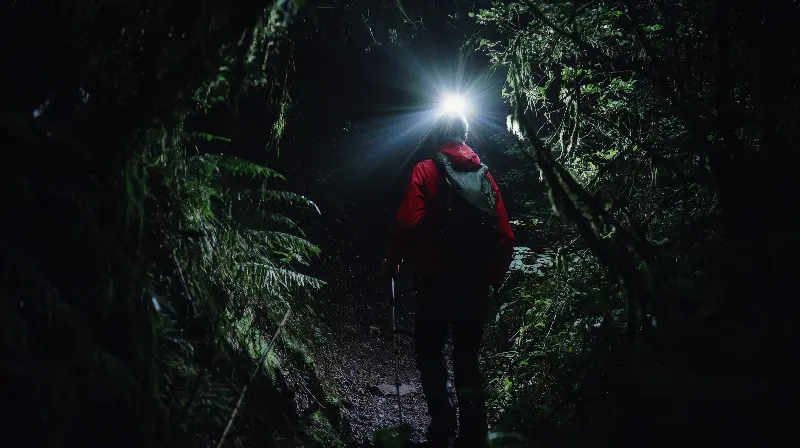
The forest transforms as daylight fades, offering both captivating beauty and new, darker challenges. Proper illumination is essential for signaling, navigation, and survival.
- Hands-Free Lighting: Always pack a reliable LED headlamp and extra batteries.
- Signal Lights: Chemical light sticks are perfect for marking your position or providing hours of steady, hands-free light.
- Fire Starters: Waterproof matches, a windproof lighter, and a compact fire starter kit should live in your pack.
Fire not only wards off the chill and unwelcome wildlife, but it also provides a massive morale boost in an emergency. Before you strike a match, always check local regulations for fire bans.
Adequate Food, Water, And Shelter: Outlasting The Unexpected
The best adventures return you home with nothing but mud on your boots. However, the unexpected happens—sometimes you are out longer than planned.
- High-Energy Nutrition: Pack lightweight, calorie-dense snacks like trail mix, jerky, and energy bars.
- Hydration: Carry more water than you expect to need, and bring a portable water filter or purification tablets for natural sources.
- Emergency Shelter: A lightweight emergency blanket or bivy sack takes up almost no space but can provide critical warmth. Even a simple tarp can offer shelter from wind, rain, or a scorching sun.

Off-roading is thrilling and unpredictable. By equipping yourself with these five essentials, you ensure you can tackle almost anything the trail throws your way. Adventure favors the prepared, so pack smart and enjoy the wild freedom of the forest.