


The genesis of guilt that accompanies the wastage of food can often be traced back to a lackadaisical approach to storing leftovers. But what if you could wave a magic wand to turn your fridge's melancholic medley of odds and ends into a repository of future gourmet delights? It's a matter of mastering the art of leftovers—a practical wizardry that promotes both food wellness and financial prudence.

The Science of Preservation
When it comes to preventing food waste, understanding how to best store different types of leftovers is paramount. Factors such as pH level, moisture content, and temperature can either be the allies of longevity or harbingers of rapid decay. For example, refrigeration slows down the growth of bacteria, but not all foods thrive in cold environments. Bread, contrary to common practice, tends to stale faster in the fridge, while whole tomatoes lose flavour and consistency.
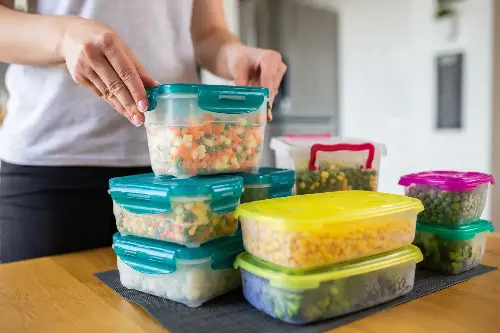
To get it right, allocate a space in your fridge solely for leftovers. Keep them sealed in airtight containers—glass is ideal—to protect them from absorbing other flavours and to maintain moisture levels. Label each item with the date it was stored to ensure you keep track of its consumable window.
Embrace the Chill: Freezing is Your Friend
Freezing can be the knight in shining armour for many food items. It’s akin to hitting the pause button, giving items like cooked grains, bread, meat, and many cooked dishes a second lease of life. To freeze effectively, let the food cool down first to prevent condensation and ice crystal formation, which can degrade texture and flavour.
Portion your leftovers before freezing, enabling you to defrost only as much as needed and avoid refreezing. Wrap items tightly or use freezer-proof containers to ward off freezer burn. While most cooked dishes can be frozen for up to three months, make a note to consume them sooner rather than later, as prolonging can affect the quality.
Revitalise and Transform
Leftovers need not be a dreary replay of previous meals. They are, in fact, an opportunity for culinary creativity. One night's roast can be the next day's sandwich filling or salad protein. Similarly, assorted vegetables from a previous dinner can find spirited revival in a lively stir-fry or as the heart of a wholesome soup.
Starches like rice and pasta may clump together once refrigerated; sprinkling some water before reheating can restore their original allure. Additionally, wilting herbs can be blitzed into sauces and dressings, ensuring their essence is not wasted but rather invigorated in a different guise.
Unite and Conquer: Combining Leftovers
Sometimes the secret to successful use of leftovers lies in uniting disparate items from your fridge or freezer. Bits and pieces of cheese can come together in a quiche or melt into a sumptuous sauce. Different roasted vegetables can combine into a hearty frittata or fold into a comforting casserole. This strategy not only saves food but also cultivates an inventive cooking approach that can lead to unexpectedly delightful dishes.
The Power of Pickling and Fermentation
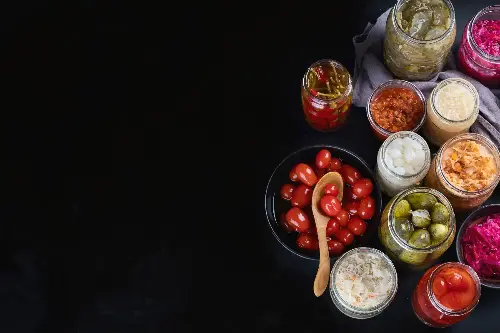
Certain leftovers, particularly vegetables, lend themselves to the ancient arts of pickling and fermentation. By immersing them in brine or vinegar solutions, not only do you extend their shelf life, but you also imbue them with new, tangy flavour profiles. These preserved morsels can then be used to brighten up meals, from sandwiches and salads to accompaniments for cheese and charcuterie boards.
Portion Control and Planning Ahead
One of the most effective strategies to ensure leftovers don’t become waste is to cook with future meals in mind. Preparing dishes that can easily be repurposed helps to mitigate surplus. Additionally, practicing portion control—serving smaller amounts and encouraging second helpings if desired—prevents the dilemma of unwanted food scraps.

Sharing is Caring
When all is said and done, if you find yourself with more food than you can feasibly store or repurpose, sharing becomes an excellent option. Neighbours, friends, and local food banks can benefit from your generosity. After all, the goal is to ensure food fulfills its purpose of nourishment rather than ending up in landfill.
By embracing these strategies, you transform your leftovers into a canvas for innovation and responsible consumption. With every leftover morsel that is successfully stored and savoured, you’re participating in a significant environmental effort, reducing waste one plate at a time, while discovering the joys of resourceful cooking. Let’s cherish the creed of 'waste not, want not' and honour our food by preserving and savouring every last bite.