


In a world where conscious eating is more than just a trend, the quest for alternative protein sources has gained significant momentum. For those reducing their meat consumption due to health, environmental, or ethical reasons, a common question arises: "If not meat, then what?" The good news is, nature has provided us with a bounty of options that can help maintain a protein-rich diet without compromising on taste or nutrition.
Plant Power: Legumes
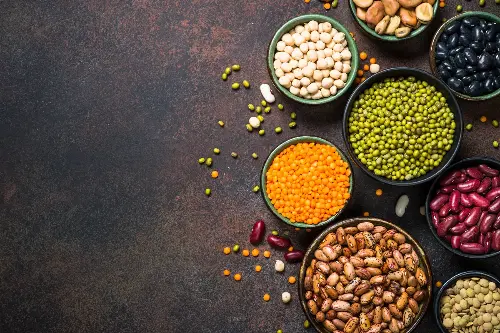
Legumes are often hailed as the cornerstone of any meat-free menu. Rich in protein, fibre, and a multitude of vitamins and minerals, they are incredibly versatile and can be enjoyed in a plethora of culinary creations. Chickpeas, lentils, and black beans, for example, contain about 15 grams of protein per cooked cup (240 ml). Whether it's the humble chickpea taking centre stage in a zesty homemade hummus or lentils providing a satisfying bite in a warming stew, legumes are a powerful ally in the meat-free protein quest.
The Wonder of Whole Grains
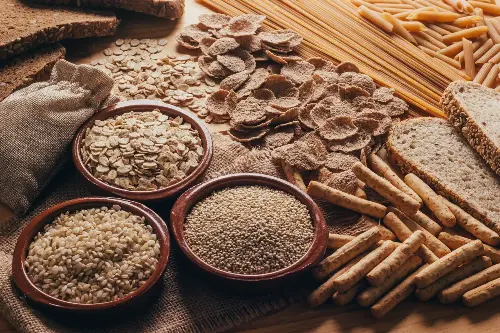
Whole grains are an unexpected yet excellent protein source often overlooked in the standard diet. Quinoa, a pseudo-cereal that cooks like a grain, contains about 8 grams of protein per cooked cup (185g). It's a complete protein meaning it contains all nine essential amino acids that the body cannot produce itself. Other whole grains like oats, barley, and brown rice also contribute a significant amount of protein, along with fibre, vitamins, and minerals. Start your day with a comforting bowl of oatmeal or experiment with barley in salads and casseroles to enhance your protein intake.
Nuts and Seeds: Small but Mighty
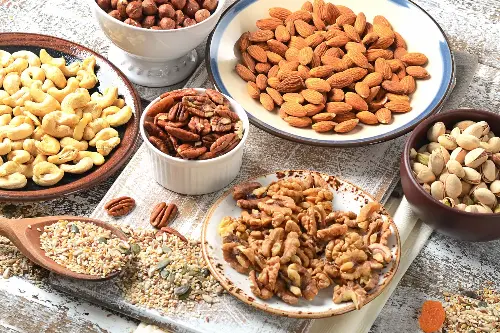
The protein content in nuts and seeds is something to marvel at. Almonds, for instance, offer around 21 grams of protein per 100g. Seeds such as pumpkin, chia, and sesame not only strengthen your protein reserves but also come packed with healthy fats and antioxidants. The versatility of nuts and seeds means you can sprinkle them on salads, blend them into smoothies, or even bake them into bread to boost your protein intake effortlessly.
Soy: A Versatile Veteran
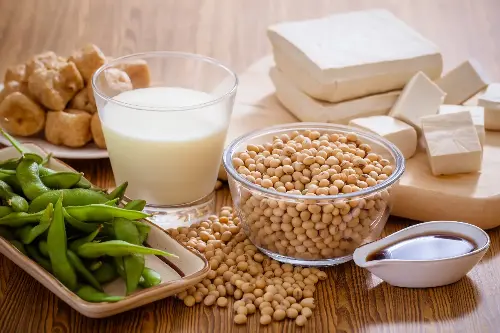
Soy has long been a staple for those on the hunt for non-meat protein sources. Foods derived from soy, including tofu (8g of protein per 100g when firm), tempeh (19g per 100g), and edamame (11g per 100g), offer substantial protein and can be cooked in myriad ways to suit any taste palette. The beauty of soy products is their chameleon-like quality to absorb flavours, making them a favourite among gourmands who love to experiment with international cuisines.
Dairy or Plant-Based Alternatives: More than Just Milk
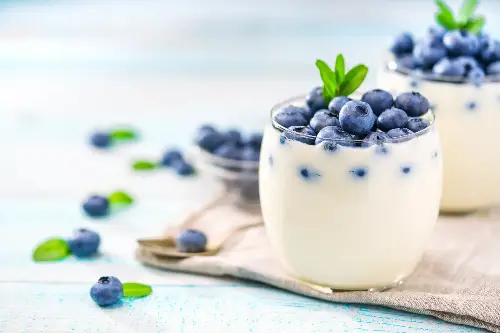
While not suited for everyone, dairy products can be a prime provider of protein. Greek yoghurt stands out, with up to 10 grams of protein per 100 grams. For those avoiding dairy, fear not—plant-based milks and yoghurts often come fortified with protein, usually from soy, almonds, or peas. While they may not naturally contain as much protein as their dairy counterparts, they're an excellent option for those on a plant-based regimen.
Micro-protein: The Future is Fungi
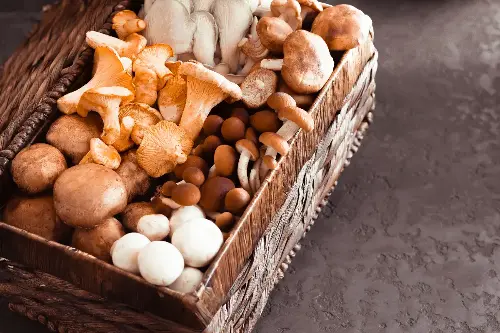
Lastly, we've yet to fully unlock the potential of fungi. Quorn products, which comprise microprotein derived from a natural fungus, offer around 11 grams of protein per 100g serving. The light, meaty texture of microprotein rivals popular meat substitutes, making it an attractive choice for meat-eaters and vegetarians alike.
In conclusion, stepping away from meat doesn't mean you'll be left protein-hungry. A wealth of delicious and nourishing alternatives awaits the adventurous and health-conscious eater. From the earthy goodness of legumes, the heartiness of whole grains, the nutritious punch of nuts and seeds, the versatility of soy products, the convenience of dairy, and dairy alternatives, to the futuristic fungi-based foods, protein is plentiful in the plant world. By opening your culinary horizons and embracing these meatless marvels, you can enjoy a diet that is as diverse in flavour as it is nourishing for your body.