


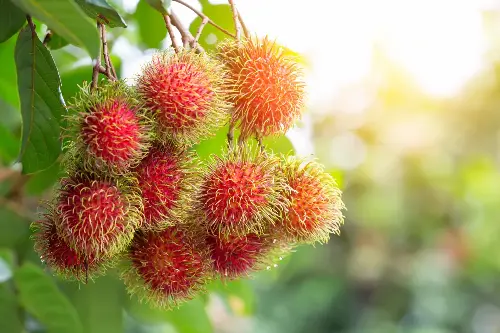
Deep within the verdant climes of Southeast Asia, the rambutan fruit, quite literally, hangs out in all its exotic glory. At first glance, this peculiar fruit captivates with its vibrant red and green exterior bristling with soft, hair-like spikes. However, beyond its whimsical appearance lies a constellation of culinary applications, nutritional benefits, and a rich cultural history that adds to its global allure.

Anatomy of the Rambutan
To truly appreciate the rambutan, one must understand what sets it apart from its tropical counterparts. The name 'rambutan' is derived from the Malay word 'rambut,' meaning 'hair', aptly describing the fruit's unique, hairy rind. Slice through this spiny exterior, and you'll unveil the true treasure: a pearly-white, translucent flesh that's reminiscent of a lychee, to which it is related. This succulent interior houses a single seed, which, while inedible, is integral to the perpetuation of this exotic species.
Nutritional Composition: A Hidden Trove of Health Benefits
Not only is the rambutan a delight to the palate, but it's also a powerhouse of nutritional value. This fruit is rich in vitamin C, providing a significant percentage of the recommended daily intake, which is essential for a robust immune system. Additionally, it contains a good amount of fibre, aiding in digestive health and promoting a feeling of fullness that can help with weight management.
The rambutan's seed is said to contain various compounds with potential medicinal properties, including fats and oils that might contribute to a variety of health benefits, although further research is needed to fully understand their impacts. However, it's important to note that the seed is not traditionally consumed and should be approached with caution.
Antioxidant Profile: Combatting Free Radicals
The antioxidant profile of the rambutan is particularly noteworthy. The skin and flesh of the fruit contain abundant amounts of polyphenols and flavonoids, which are known to combat oxidative stress caused by free radicals. This means that indulging in this fruit can help protect the body from the cellular damage that contributes to aging and diseases. Emerging studies suggest these antioxidants may also have anti-cancerous properties, but more research is necessary for conclusive evidence.
Rambutan Sustainability: Environmental Benefits
Rambutan cultivation also plays a role in sustainable agriculture, especially in its native ecosystems. These fruit trees are perennial, which means they do not require frequent replanting and therefore help in maintaining soil integrity. They are often grown in mixed orchards alongside other tropical fruits, contributing to biodiversity and reducing the need for chemical inputs.
Farmers are encouraged to use organic methods and integrated pest management to grow rambutans, ensuring that the fruits are not only more healthful but also kinder to the environment. This sustainable approach to agriculture further supports the beauty of rambutan orchards, which become attractions in their own right, promoting eco-tourism and providing a supplemental income source for local communities.
Culinary Delights: Sweet and Savoury Uses
The rambutan's allure is not just skin deep – it holds a bounty of flavour. With a taste that can be described as sweet and slightly acidic, reminiscent of grapes with a hint of floral undertones, it's a popular snack eaten fresh. But that's merely scratching the surface of its culinary versatility. In Southeast Asia, it's common to find rambutan incorporated into everything from refreshing salads and tangy salsas to rich curries and sweet desserts. The versatility of rambutan extends beyond the fresh fruit market; it's also canned and preserved, making it an exotic ingredient in pantries around the world.
Incorporating Rambutans into Your Diet
While the appearance of rambutan may seem intimidating at first, incorporating this fruit into your diet is surprisingly simple. To enjoy it, one merely needs to cut around the middle of the fruit and twist to release the succulent flesh. It can be eaten raw, used in fruit salads, or even tossed into smoothies for a tropical twist. The canned variety, which is more accessible in non-tropical regions, ensures that the exotic charm of rambutan can be enjoyed worldwide.
As a healthy snack, rambutans are ideal due to their low calorie content and nutritious profile. It's an excellent addition to a balanced diet, particularly for those seeking to indulge in sweet treats without the guilt.

The Cultural Fabric: Rambutan in Tradition and Festivities
The rambutan holds a special place in the cultural tapestry of Southeast Asia. It is a symbol of hospitality and bounty, often playing a central role in local festivities and traditions. From welcoming guests into a home with a bowl of fresh rambutans to featuring in the vibrant markets that dot the landscape, the fruit is a staple of communal life.
In conclusion, the rambutan is much more than just a curious-looking fruit. It's a tropical marvel that brings together the sweet symphony of taste, the richness of nutrition, and the joy of discovery in every bite. With each rambutan peeled open, a story of culture, sustainability, and well-being is told, inviting fruit lovers to explore the depths of its exotic charm. Whether you're a tropical fruit aficionado or new to the delights of rambutan, it's a journey of taste well worth embarking upon.