


If you’re like most car owners, nothing feels quite as satisfying as squeezing more miles out of every tank of gas. Whether you love long road trips or just try to save at the pump, learning smart ways to boost fuel efficiency isn’t just good for your wallet – it’s also friendlier to the planet. Luckily, you don’t have to buy a new hybrid to get impressive results. By understanding how your car consumes fuel and putting a few simple tips into practice, you can drive farther for less every time you hit the highway.
Smart Driving Habits Make a Big Difference
The way you drive has a direct effect on how much fuel your vehicle uses. If you’re in the habit of accelerating quickly or braking hard, it’s time to rethink your approach. Smooth, steady acceleration and gentle braking are far more efficient, and they help your car’s components last longer. Use cruise control when you can—on flat stretches of highway, setting your speed not only reduces effort but also prevents needless fluctuations that burn extra fuel.
Try to maintain a moderate speed; most cars reach their optimal fuel efficiency at around 50 to 65 miles per hour. According to the U.S. Department of Energy, every 5 mph driven over 50 mph is like paying an extra $0.25 per gallon. So if you love that adrenaline rush, remember: slowing down gives your wallet a boost.
Tailgating can also waste fuel. If you keep a safe distance from the car ahead, you'll need less sudden braking and acceleration, which adds up to real savings.
Optimize Your Vehicle’s Condition
A well-maintained car not only runs better, but also sips less fuel. Start with your tires—the only part of your car actually touching the road. Properly inflated tires can improve mileage by up to 3%. Under-inflated tires, on the other hand, cause more drag, making your engine work harder than it should. Check your pressure at least once a month or before long trips, and always fill them according to the manufacturer’s recommendations.
Engine health plays a major part as well. Regular oil changes, replacing clogged air filters, and ensuring your spark plugs are in good shape can collectively increase your efficiency by up to 4%. Pro tip: use the manufacturer’s recommended grade of motor oil; using the wrong oil can decrease your fuel economy by 1-2%.
Don’t forget about the often-neglected roof rack. Unless you’re using it, remove it. Anything that changes your vehicle’s aerodynamics increases wind resistance and can lower your fuel economy by up to 8% on the highway. The same applies to carrying unnecessary weight in your trunk—every extra 100 pounds can cut your mileage by 1%.
Make Smart Fuel Choices and Timing
Where, when, and how you fill up matters more than you might think. Many drivers assume topping off their tanks gives them more miles, but overfilling can lead to fuel spillage and wasted money. Fill up when your tank is around a quarter full (or just low enough that you won’t risk running on fumes).
Buy fuel early in the morning or in the late evening. Fuel expands with heat, so filling up when it’s cooler helps you get more energy for your money. Keep an eye out for loyalty programs or fuel discounts offered by stations along major highway routes—you might be surprised by the savings that add up over time.
Plan Your Trip and Use Technology
A little planning can go a long way. Map your route to stick to highways rather than local roads when possible; highways generally offer more consistent speeds, which improves efficiency. Avoid routes with excessive stop-and-go traffic or known bottlenecks.
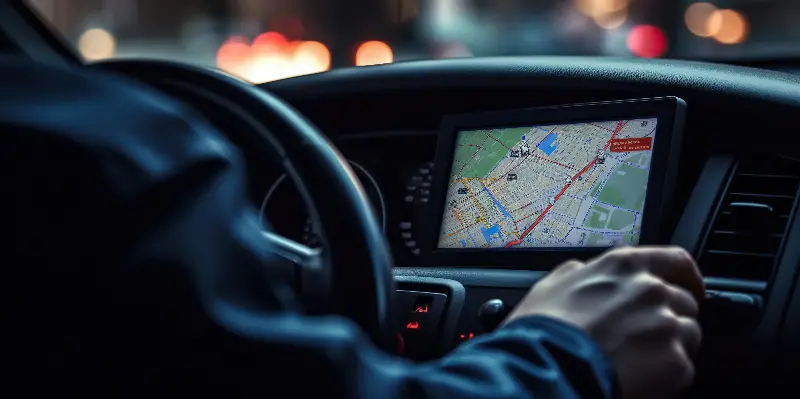
Make use of smartphone apps and GPS technology that track traffic conditions in real time. These tools can help redirect you around jams, road work, or heavy congestion—all major gas guzzlers.
If your car has an economy or eco mode, take advantage of it! These settings adjust your vehicle’s performance for maximum fuel savings, often making subtle changes to throttle and air conditioning use.
Air Conditioning and Windows: Find the Balance
The debate over whether using your air conditioning or rolling down the windows is better for fuel economy is a classic. At low speeds, open windows are usually fine. At highway speeds, though, open windows create drag. Modern car experts recommend using air conditioning at higher speeds but setting it to the lowest comfortable setting.
If your car has a recirculate feature, use it. This cools the air already inside your car instead of pulling in hot air from outside, so your AC doesn’t have to work as hard.
Engage With New Technologies and Habits
Today’s drivers have access to an impressive array of modern tech designed to help stretch every drop of fuel. Simple onboard displays often provide real-time feedback on your average and instantaneous fuel economy—use these gauges as a game, aiming to push your numbers higher each trip.
Hypermiling is another trend: it involves advanced techniques like coasting to stops, minimizing idling, and carefully timing acceleration. Even if you don’t go to hypermiler extremes, simply adopting a “smooth and steady” mindset will reward you with better mileage.
Driving farther for less is part science, part art—and fully achievable for anyone willing to make a few changes. By embracing smart driving habits, keeping your car in top shape, making wise fuel choices, and leveraging technology, you’ll be amazed how far a tank can take you. Give these tips a try, and let your next road trip or commute be as budget-friendly—and enjoyable—as possible.