


Embarking on a chess journey is akin to stepping onto a complex battlefield where every move shapes the destiny of kings and pawns alike. From a novice to a grandmaster, the world of chess competitions is meticulously structured, ensuring players of all levels can find their match and challenge their own limits.

The Chess Federation and Tournament Structure
The backbone of competitive chess is the organisation that oversees it. Each country has its own chess federation, while the International Chess Federation (FIDE) serves as the governing body for international competitions. Chess tournaments vary in structure and size, but they often fall into a few categories.
Swiss tournaments are enormously popular due to their efficiency and ability to handle a large number of participants. Players are paired using a set of rules designed to ensure they play opponents with similar results in the tournament, but never the same opponent more than once. On the other hand, Round-robin tournaments have each player face all other players in turn, requiring a lot of time but ensuring a comprehensive competition.
Knockout tournaments mimic the adrenaline-fuelled structure of many sporting competitions, where losing a match means exiting the tournament. An invigorating yet ruthless format, it tests the nerves and resilience of participants.
The Elo Rating System: A Player’s Passport to Progress
The Elo rating system is the cornerstone of competitive chess, acting as a universal language that represents a player's skill level. Named after its creator, Arpad Elo, the system calculates the relative skill levels of players based on the results of their games against each other. The beauty of the Elo system is its dynamism; it is continually updated as players win, lose, or draw games, providing a current reflection of their playing strength.
The rating fluctuates based on the rating of the opponent and the expected outcome of the match: if a lower-rated player triumphs over a higher-rated opponent, they gain more points than if they won against a similarly rated player. Similarly, losing to a lower-rated player results in a more significant loss of points. Beginners typically start with an Elo rating around 800, while seasoned amateurs float around 2000. A player with 2500 points can proudly don the title of grandmaster.
The Journey to Grandmaster: A Tale of Perseverance and Strategy
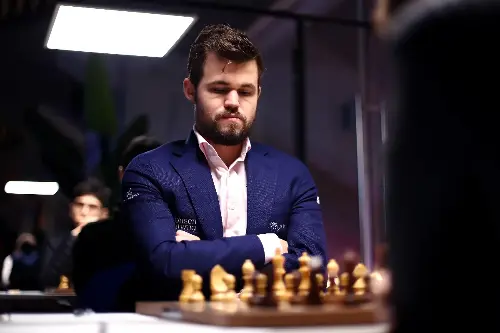
Earning the prestigious title of grandmaster is no trivial feat. It demands an extraordinary understanding of the game, strategic acumen, and strong performance in FIDE-sanctioned tournaments. Aspiring grandmasters must earn two or more 'norms', achieved by reaching a high level of performance in a tournament, often against other titled players. They must also cross a threshold Elo rating of 2500 at least once in their careers.
However, the journey starts much before that. Players begin at the base as novices or unrated players, getting a feel of the local club and tournament scene. Casual players quickly turn competitive, striving to improve with each move and climb the ranks. Stepping stones along the path include the titles of Candidate Master, followed by FIDE Master, International Master, and finally, Grandmaster.
Training Regimens: The Sharpening of Minds
Serious players often undertake extensive training regimens to hone their skills. This might include studying classic games, practising endgame scenarios, solving tactical puzzles, and keeping abreast of opening theory. In today's digital age, many turn to online platforms and software for simulation games against players from around the world.
Professional coaching is another key ingredient in the recipe for chess success. Masterful coaches can provide invaluable insight, precise feedback, and structured study plans tailored to the individual's strengths and weaknesses.
Young Prodigies and Equal Opportunities
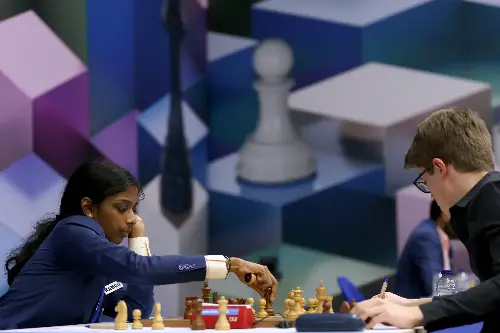
Chess is unique in that age and gender barriers are almost non-existent at the cognitive battleground. Young prodigies have been known to achieve titles at remarkably early ages—the youngest grandmasters earned their titles before turning 15. Furthermore, FIDE organises competitions specifically for girls and women, promoting equal participation and recognition of achievements.
The Role of Technology in Modern Chess
More recently, technology has left an indelible mark on the game. Online chess platforms facilitate endless opportunities for play and learning, while powerful chess engines offer high-level analysis that was inconceivable generations ago. These tools can accelerate a player's improvement, allowing them to reach competitive proficiency at an unprecedented pace.
The road from novice to grandmaster in chess is a path less taken, but immensely rewarding. It is not just the preservation of titles and trophies that compels players but the ceaseless pursuit of mastery over this ancient game. The chess competition structure, interwoven with the comprehensive Elo rating system, provides a clear yet challenging trajectory for those determined to leave their mark on this intellectual sport. With focus, strategy, and perhaps a touch of genius, that coveted grandmaster title is within reach, one calculated move at a time.