


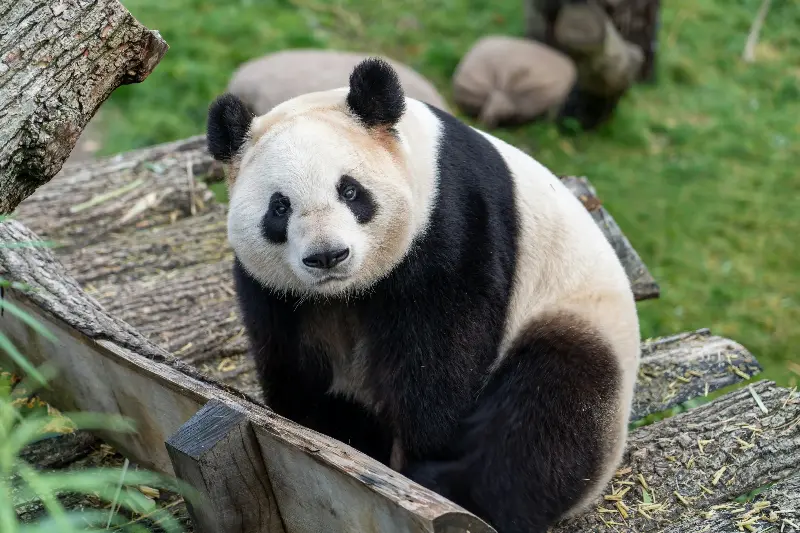
Deep in the lush, misty forests of central China lives one of the animal kingdom’s most iconic—and mysterious—members: the giant panda. With their distinctive black-and-white coats, pandas have long charmed the hearts of people around the globe, but there is far more to these creatures than meets the eye.
Beyond their bamboo-munching ways lies a fascinating world of secret habits, surprising survival strategies, and delicate conservation efforts. To truly understand the panda, one must look past the "cuddly" exterior and into the life of a highly specialized evolutionary marvel.
PANDAS BEYOND THE CLICHÉ
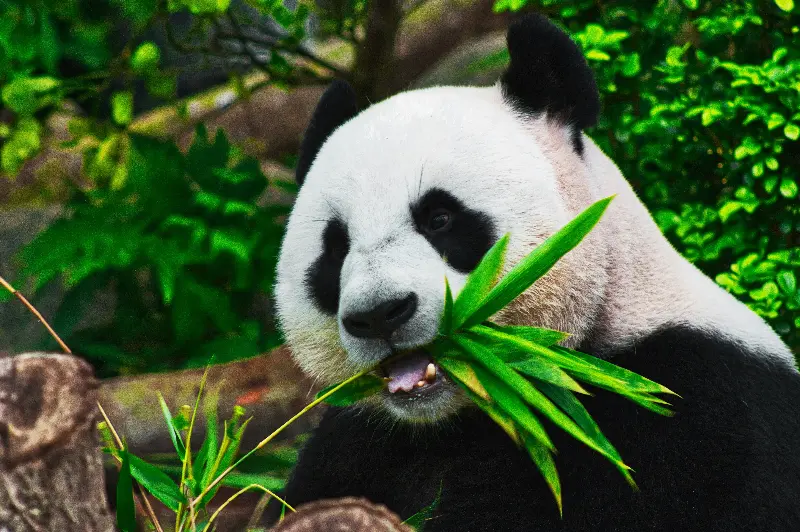
Most people instantly associate pandas with bamboo, and for good reason—over 99% of their diet consists of this tough plant. But why do these bears rely almost exclusively on bamboo when their digestive systems are biologically identical to those of carnivores?
The answer lies in their evolutionary history. Pandas belong to the order Carnivora and still retain the digestive tract of a meat-eater. However, over millions of years, they evolved to exploit an abundant resource: mountainous bamboo forests. To make this unlikely meal work, pandas have developed unique traits:
- Massive Consumption: They eat up to 40 pounds (18 kilograms) of bamboo every day.
- Time Management: Because bamboo is nutrient-poor, pandas spend as much as 14 hours daily just eating.
- The Pseudo-Thumb: They possess a modified wrist bone that acts like an opposable thumb. This allows them to skillfully grasp and strip bamboo stalks—a feature seen in no other bear species.
SOCIAL LIVES AND SECRET SIGNALS
Contrary to their public reputation, pandas are quite solitary in the wild. Each adult claims a personal territory, marked painstakingly with scent cues. Their secret language involves a highly developed scent-marking system using glands located under their tails. These "chemical messages" communicate:
- Territory boundaries
- Social status
- Mating readiness
Despite being loners, pandas cross paths during the brief mating season. This period offers one of nature’s more dramatic rituals. Female pandas are in estrus for only two to three days a year, creating fierce competition among males that involves impressive vocalizations, wrestling matches, and even remarkable acrobatics as they showcase their strength.