


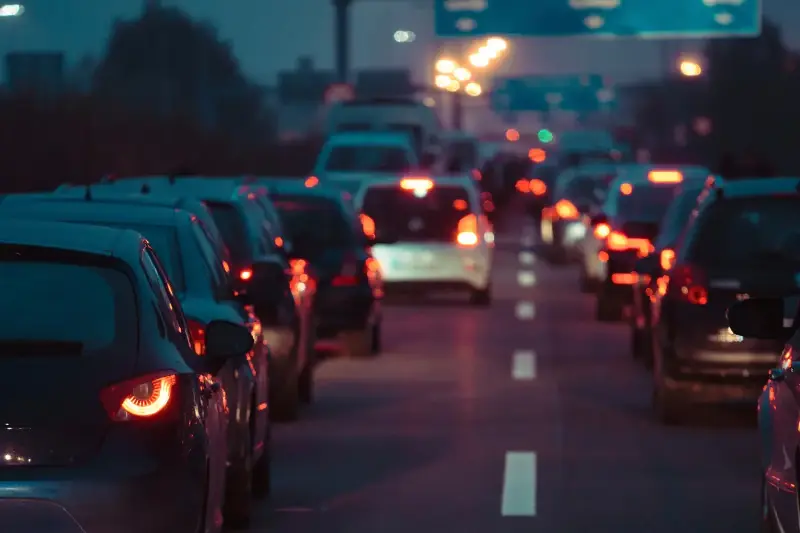
Night driving demands far more from your eyes than daytime travel. A dark road causes pupils to widen to gather light, while an approaching vehicle can suddenly fill your vision with intense brightness. The result is temporary glare blindness, a delay in vision recovery that leaves drivers struggling to see lane markings, pedestrians, or sudden curves. At 60 mph, a car travels roughly 88 feet every second, making even a brief visual disruption critical. Fortunately, practical habits can make night journeys significantly safer and more comfortable.
Understand Why Headlights Cause Glare
Glare occurs when a concentrated light source overwhelms the eye's ability to adapt to surrounding darkness. Oncoming headlights create a harsh contrast against the dark background, delaying visual recovery.
Several key factors influence headlight glare:
- Environmental conditions: Wet pavement reflects headlights, streetlamps, and signs, dramatically increasing visual distraction.
- Driver factors: Eye fatigue, dry eyes, an outdated prescription, or natural aging can lengthen recovery times.
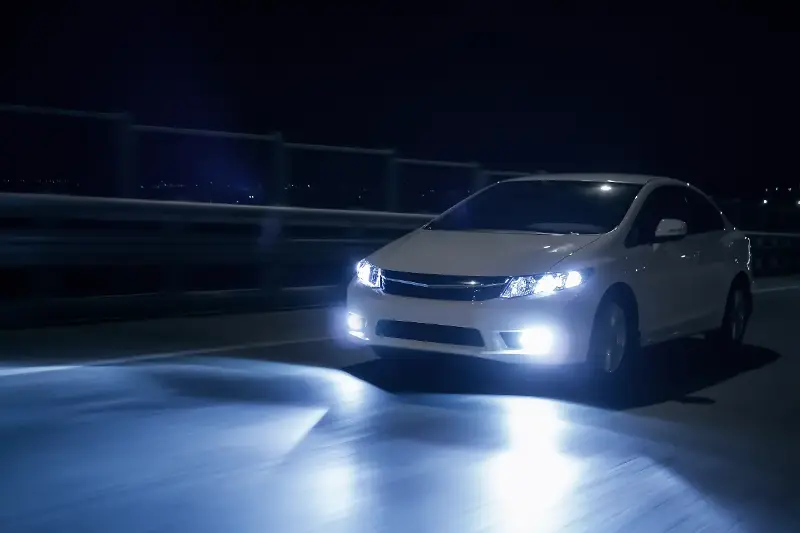
- Vehicle equipment: Modern LED headlights appear brighter and bluer, while misaimed bulbs, high beams, or lifted trucks project light directly into oncoming traffic.
Use the Right Place to Look
The most vital rule for night driving is simple: never stare directly at approaching headlights. Looking into the light amplifies glare and wipes out your night vision.
Instead, shift your gaze slightly down and to the right toward the white shoulder line, lane edge, or roadside markers. This technique anchors your vehicle in its lane without exposing your central vision to the brightest light. Keep your eyes moving in a steady scanning pattern across the road, checking your mirrors and dashboard regularly rather than fixing your focus on a single spot.
Keep Glass Clean Inside and Out
A dirty windshield transforms single light sources into wide, hazy starbursts. Dust, fingerprints, insect residue, and plastic off-gassing form a thin film on the interior glass that scatters light across your field of view.
- Clean both sides: Wash the interior and exterior windshield using a clean microfiber cloth and dedicated glass cleaner.
- Maintain side glass: Clean side windows and mirrors to prevent distracting glare from behind.
- Update wipers: Replace worn wiper blades before they leave blinding streaks during rain.
- Wipe eyewear: Keep prescription glasses clean, as smudged lenses create the exact same light-scattering effect as a dirty windshield.
Adjust Your Car Interior for Darkness
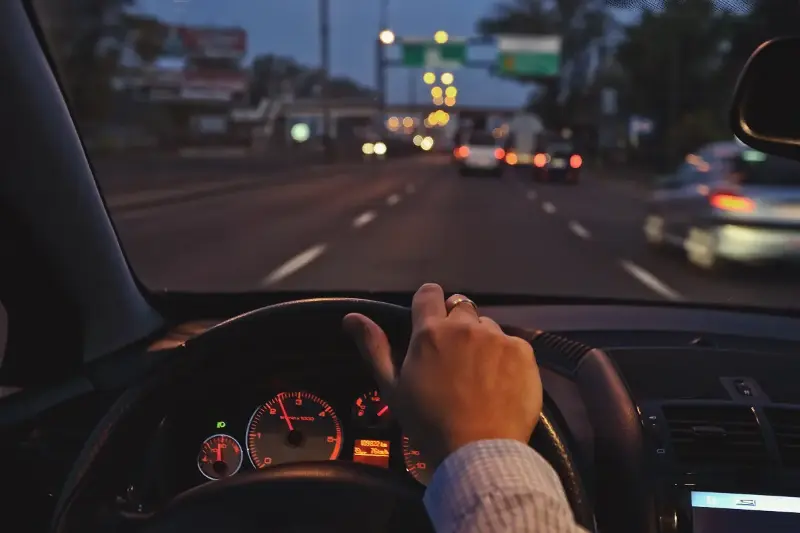
Bright interior displays force your eyes to constantly readjust between a glowing cabin and the dark road outside. Dim your instrument cluster until the gauges are readable without glowing brightly. Set large touchscreen displays to night mode to minimize glare.
Properly align your side mirrors to eliminate blind spots while reducing direct light reflections from traffic behind you. Additionally, flip your rear-view mirror to its manual night setting or ensure auto-dimming is active. Finally, keep your vehicle's headlight lenses clean and clear; cloudy lenses diminish useful road light and impair overall visibility.
Slow Down and Increase Following Distance
Reduced visibility demands lower speeds. Driving at night requires extra time to detect hazards and react safely.
- Lower your speed: Reduce your pace during heavy rain, on narrow roads, or when facing continuous oncoming traffic.
- Expand the gap: Increase your following distance to give yourself ample time to react if your vision is momentarily affected.
- Stay steady: If blinded by glare, avoid slamming the brakes or swerving. Ease off the accelerator, maintain your lane, and focus on the right-side road edge until the vehicle passes.
Avoid Common Night Driving Mistakes
Never wear dark sunglasses or unproven yellow-tinted glasses at night. They block valuable light, making it far harder to spot unlit obstacles or pedestrians.
Prioritize proper rest, as fatigue impairs focus and decreases blink rates, compounding dry eye issues. Schedule regular professional eye exams to address astigmatism or glare sensitivity. Equipping your everyday eyewear with an anti-reflective coating provides an extra layer of clarity, ensuring your eyes stay relaxed and your journey remains peaceful.