


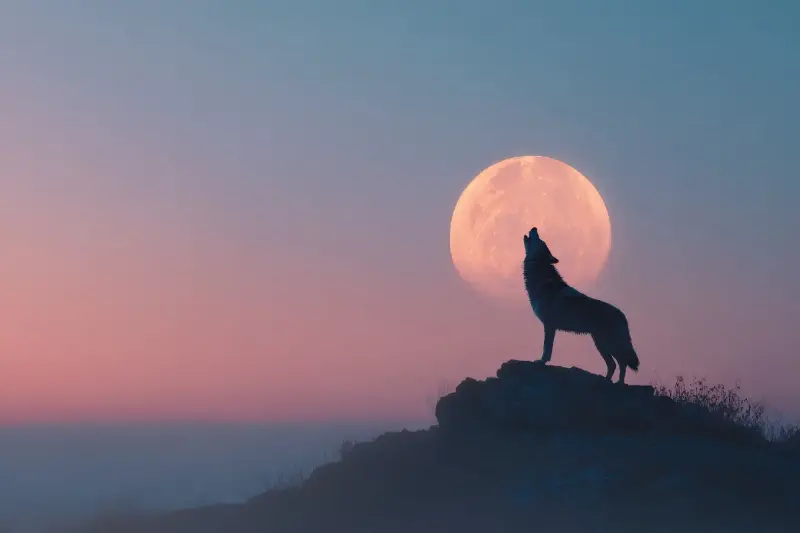
In the heart of the night, many of us have experienced it—the sudden awakening, a quickened pulse, the clock’s red glow reading 3:00 AM. This mysterious period is famed as “the wolf hour,” a time seemingly designed for restless thoughts, wandering worries, and the eerie sensation that the world is holding its breath. But what really happens in these shadowy hours, and why do so many people find themselves awake?
Unearthing the Legends of the Wolf Hour
The term “wolf hour” has its claws deep in folklore. Popular belief traces it to old European tales, where it described the time between 3:00 and 4:00 AM—a treacherous window when wolves prowled and evil spirits wandered. For centuries, it’s been called “the hour of the wolf,” immortalised in Ingmar Bergman’s haunting film and whispered in old wives’ stories as a time of danger or doom.
But there’s more to it than chilling tales. In Swedish culture, the hour was said to be when most people die, most children are born, and sleep is at its lightest and most fragile—a time when the veil between subconscious fears and reality is perilously thin.
What Science Says About Waking at 3:00 AM
While folklore gives us chills, modern research sharpens the focus. Our sleep isn’t one solid block but a series of cycles, each lasting about 90 minutes. During the night, we traverse light and deep sleep, with the deepest occurring in the early hours before midnight. By 3:00 AM, our bodies are emerging from their deepest rest and entering longer periods of REM sleep. This stage is famed for vivid dreams and emotional processing, but it's also when sleep is more likely to be interrupted.
Why are we waking up, then? A few reasons stand out:
-
Natural hormonal changes: Between 2:00 and 4:00 AM, our body temperature is at its lowest, and stress hormone cortisol begins to rise—preparing us to wake up soon. This shift can leave our brain in a fragile state, easily roused by the smallest disturbance.
-
Psychological stress: The quiet and darkness of the wolf hour can amplify unresolved anxieties. In this stillness, the mind searches for problems to solve—sometimes dragging us out of sleep to do so.
-
Sleep disorders: Conditions like insomnia or sleep apnoea frequently set their symptoms loose at this time, causing regular, unexplained awakenings.
A Universal Experience—Or a Cultural Construct?
What’s widely remarkable is just how universal this phenomenon seems to be. Across the globe, surveys indicate that 1 in 3 adults wakes up at least once nightly, and a significant chunk reports regular early-morning awakenings.
But is it purely biological? Or are we conditioned to see the “wolf hour” as unnerving? Historians note that pre-industrial societies often slept in two phases—a “first sleep” and “second sleep” with a period of wakefulness in between, during which people would reflect, pray, or even visit neighbours. Waking at 3:00 AM wasn’t cause for alarm, but a natural pause in a night’s journey—suggesting our anxiety about these hours may be, in part, learned.
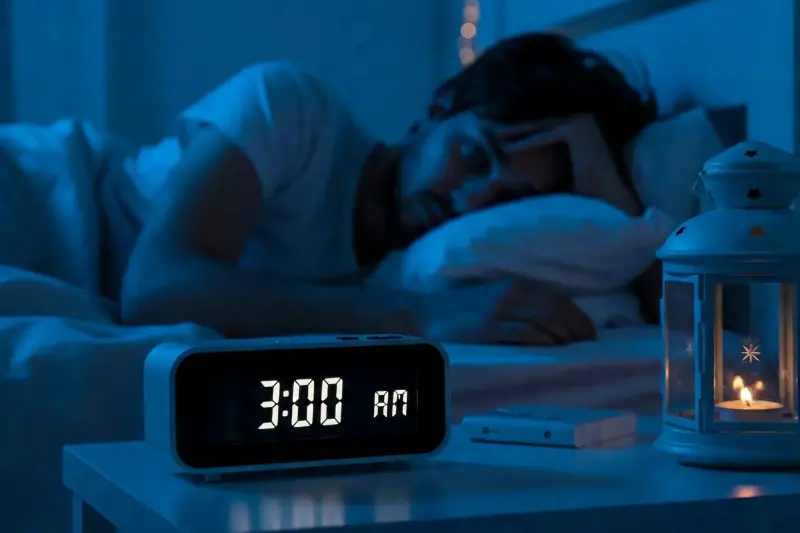
How to Tame the Wolf Hour
If you find yourself staring at the dark ceiling, heart pounding, here are tried-and-true tips to help:
- Resist the urge to check your phone or the clock—light and information can further disrupt rest.
- Practise mindfulness or deep breathing, gently redirecting racing thoughts.
- Keep your environment cool and comfortable to support natural sleep cycles.
- Consider a sleep journal to capture recurring worries or patterns.
- Consult a professional if sleeplessness becomes routine—underlying conditions may need addressing.
Though the wolf hour may feel lonely, know that millions worldwide are peering into the same darkness, drawn together by the shared enigma of night’s quiet questions. Is your body calling for attention, or is your mind pulling you into the mystery?
As dawn stretches over the horizon and the world stirs back to life, what does “the wolf hour” reveal to you—about your anxieties, dreams, or longings? Perhaps these nightly awakenings are hidden invitations, urging us to explore the depths within when the world is silent. What answers, or new questions, might you discover in the darkness, if you dared to look?