


Does Frequent Car Washing Damage Your Vehicle? The Expert Verdict May Surprise You
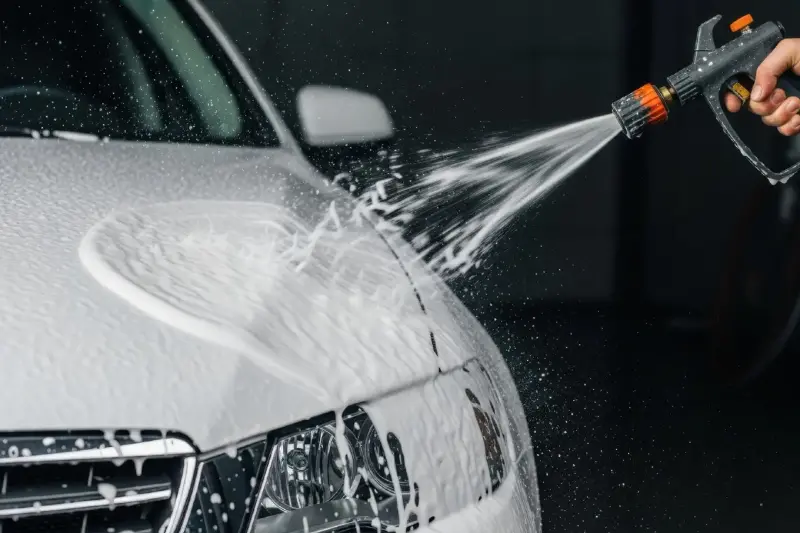
For many car owners, nothing beats the glint of a freshly washed vehicle. The ritual—the splash of water, the fragrant suds, the satisfying sweep of a sponge—gives a sense of pride and care. But among drivers, a lingering question persists: Can washing your car too often actually harm its finish or mechanicals? The answer, according to experts, is more nuanced than you might expect.
Peeling Back the Shine: What Really Happens When You Wash
Car washing, at its core, is about removing the contaminants that accumulate every day—dust, bird droppings, road salt, pollen, and oily residues. While it's tempting to believe that more washing equals more wear, the reality is surprisingly the opposite: dirt left unchecked can do far more damage than regular cleaning ever could. When abrasive particles sit on your paintwork, they gradually erode the protective clear coat and, over time, may even cause rust spots or paint bubbling.
However, the method matters. Experts caution that poor washing techniques are the real culprit behind premature paint and trim wear—not the frequency itself. Using harsh brushes, dirty sponges, or abrasive household detergents can leave micro-scratches—those fine, telltale swirl marks you spot in harsh sunlight.
The Science Under the Suds: Frequency Versus Technique
So, just how often is too often? The answer hinges on your environment and how you do the job.
In urban settings, with persistent pollution and bird droppings, weekly washing is not only safe but recommended by organisations like the British Car Wash Association. Rural drivers facing muddy tracks or coastal dwellers combatting salty air benefit from the same regularity.
Yet, it's not the act of washing that’s risky, but doing it wrong:
- Using non-automotive soaps can strip wax and speed up fading.
- Reusing dirty wash mitts transfers grit, which acts like sandpaper.
- Skipping the pre-rinse lets contaminants grind into your finish during scrubbing.
For best results, car care experts recommend:
- Always rinse the car thoroughly before touching it with a mitt.
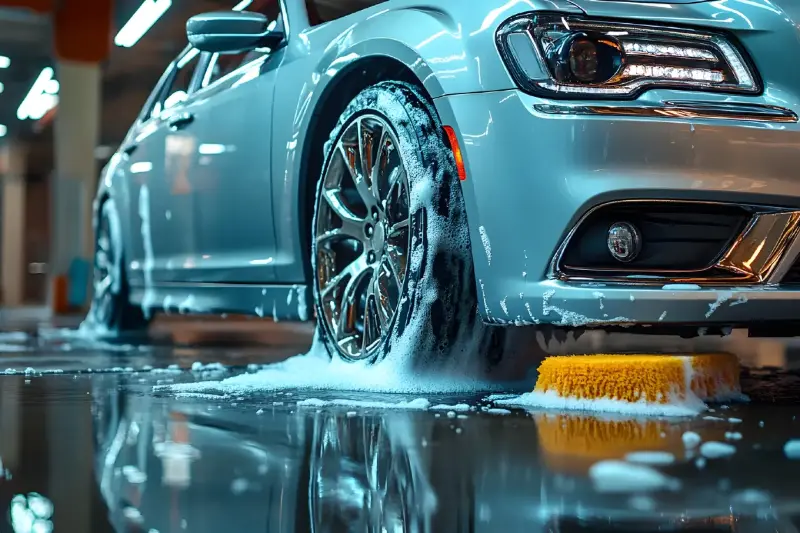
- Use two buckets: one with soapy water, one clean for rinsing your mitt.
- Opt for microfibre cloths and gentle, pH-balanced automotive soaps.
- Finish with a proper rinse, then a soft towel or air dry.
If you favour drive-through car washes, look for touchless models, as outdated spinning brushes are notorious for causing swirls.
Bodywork Myths: What About Wax, Plastic, and Windows?
Frequent cleaning doesn’t only benefit paint. Modern cars use a complex blend of materials—clear-coated aluminium, textured plastics, glass, and chrome. Dirt and pollutants can discolour plastics and etched glass; they also accelerate the corrosion of alloys.
A key fact: Regular washing prolongs the life of applied wax or sealant layers. This helps beads water, reduces minor scratches, and makes each subsequent wash easier. It’s a shield, not a liability.
Still, excessive scrubbing without proper technique can dull even the toughest surfaces over time. For waxed cars, auto detailers suggest applying a new protection layer every two to three months, tailored to environmental exposure.
What the Experts Say: The Surprising Consensus
Joe Hitzler, a master detailer in London, sums it up: “You’re far more likely to ruin your paint by neglect than by being eager with a sponge—provided you use the right toolkit and methods.”
Recent studies from the RAC Foundation echo this, noting that frequent, properly executed washing actually increases a car’s longevity and resale value.
- Paint protection films are unaffected by soap and gentle washing.
- Automated ‘brushless’ car washes are safe for modern finishes.
- Old-fashioned, stiff brooms and washing-up liquid are the worst offenders.
The Bottom Line: Care Counts, Not Just Frequency
For the current generation of car lovers, the takeaway is clear: washing your car often—done right—is an act of preservation, not destruction. Our vehicles contend daily with an assault of chemicals and grit unseen by the naked eye. Proper routine cleaning prevents long-term damage, preserves beauty, and, yes, can be a satisfying routine all its own.
So the next time you see rainfall on your windscreen or a tree’s souvenir on your bonnet, perhaps you’ll think less of the risk, and more of the potential to protect and pamper. Can too much of a good thing truly be bad? Or, is it all just about doing it well? The answer, much like your car’s true shine, is revealed layer by careful layer—waiting for you to discover.