


Infidelity: The Age-Old Enigma
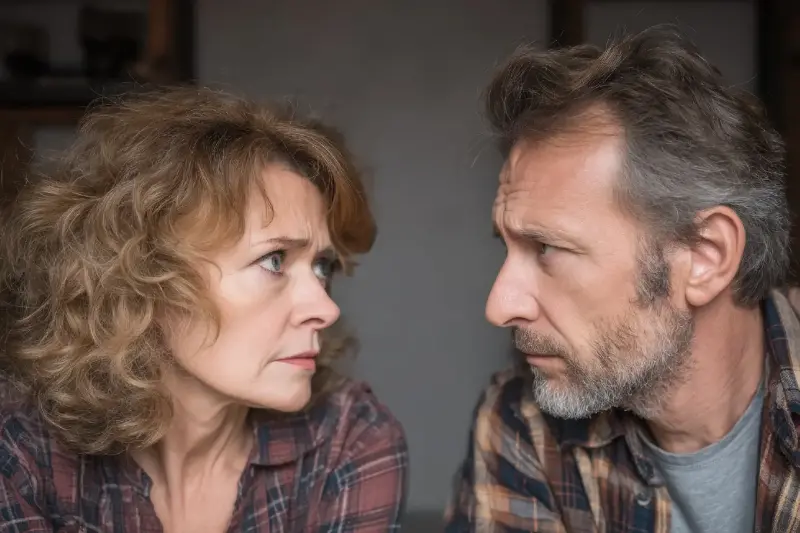
Marital infidelity—cheating in a committed partnership—has fascinated, pained, and bewildered societies for centuries. Recent global studies have begun to unravel the complexities behind why spouses stray and where such betrayals are most prevalent. While once shrouded in secrecy, the phenomenon is now discussed more openly, inviting both compassion and scrutiny.
The Deep Roots of Desire: Why Spouses Cheat
Why do people risk so much—love, trust, family—for the allure of someone new? The causes are as diverse as they are startling. Relationship experts identify a blend of personal, relational, and societal factors as triggers for infidelity.
At the heart of many affairs lies emotional dissatisfaction. Partners who feel neglected, unappreciated, or misunderstood may seek solace elsewhere. For others, it's the thrill of adventure or the spark of newness that proves irresistible. A prominent study from the Institute for Family Studies found that:
- 44% of men cited lack of sexual satisfaction as a leading motive.
- 40% of women pointed to emotional neglect and loneliness.
Curiously, technology now plays a sharper role, with social media and dating apps providing platforms for secret connections. Easy access, anonymity, and the dopamine rush of online flirtation fuel modern affairs in ways unimaginable only decades ago.
Geographic Hotspots: Where Cheating is Most Common
Infidelity isn't spread evenly across the world; culture, opportunity, and social norms all play their parts in its distribution. A recent worldwide survey revealed surprising geographic trends:
- Western Europe stands out, with France and Italy often topping the lists. In France, it’s estimated that about 55% of people have admitted to cheating at some point in their lives. The French attitude towards affairs is famously more tolerant, often viewing infidelity less as a moral failing and more as an unfortunate aspect of long-term relationships.
- Scandinavian countries—Sweden and Norway—display relatively high rates of extramarital affairs. Researchers suggest a blend of societal openness and high work-life balance lets individuals discreetly pursue personal satisfaction.
- In contrast, Asian countries such as Japan and South Korea register lower self-reported infidelity. However, strict social codes may under-report actual behaviour, suggesting that numbers may not tell the whole story.
- The United States straddles the middle, with around 16% of married adults admitting to an affair. Urban centres show higher infidelity rates than rural areas, possibly due to greater anonymity and more opportunities for clandestine encounters.
Interestingly, the gender gap in infidelity has narrowed significantly. Where men historically reported higher rates, modern studies find nearly equal numbers of men and women straying from their spouses.

Modern Scandals and Societal Shifts
High-profile scandals—often involving celebrities or politicians—have shaped public discourse and fuelled intrigue. The proliferation of online tools, from private messaging apps to discreet dating sites like Ashley Madison, means secret affairs are easier to initiate and harder to detect.
Today, marital infidelity is discussed with less judgment but more nuance, as couples grapple with challenges like extended life spans, demanding careers, and evolving expectations. Experts highlight that communication and emotional intimacy remain key bulwarks against betrayal.
Can Trust Survive Amid Changing Norms?
The causes and patterns of marital infidelity evoke both empathy and outrage, forcing us to confront uncomfortable truths about love, temptation, and loyalty. As social norms adapt in an ever-connected world, the boundaries of marriage are continuously tested.
Will increased transparency and conversation lead to stronger partnerships, or will new temptations create unprecedented challenges? The answers remain elusive—but perhaps in understanding, we can begin to heal, forgive, or even redefine the very nature of trust in modern relationships.