


The Fastest Trains in the World – Discover the Technology That Broke Barriers
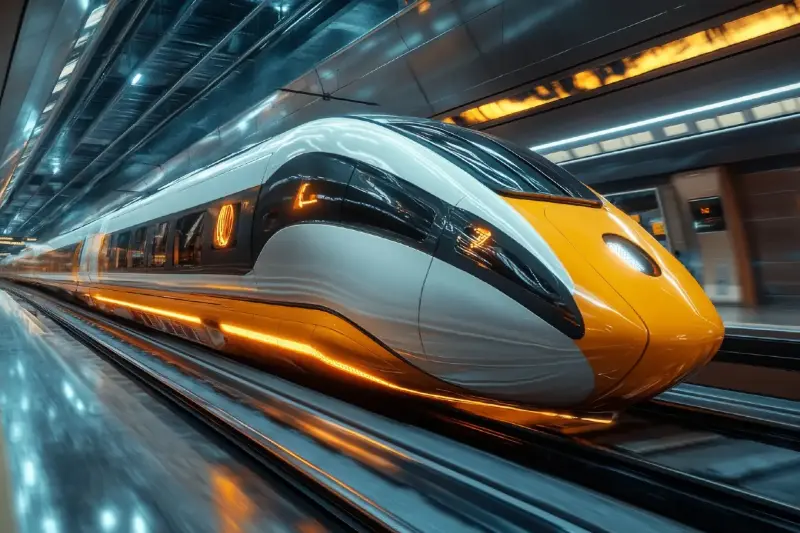
Ever since the glory days of steam engines, speed has enthralled both engineers and travellers alike. The modern age has seen an astonishing leap forward, not only in velocity but also in the sheer elegance and ingenuity of rail design. Today’s fastest trains are genuine marvels—machines that promise to make the world feel smaller, cities closer, and journeys unforgettable.
Racing the Wind: How Today’s Trains Achieve Mind-Blowing Speed
Despite fierce competition from air travel, high-speed trains have conquered the challenge of going faster while staying grounded. Imagine hurtling across the landscape at speeds that once seemed fit only for aircraft—now possible thanks to scientific breakthroughs and relentless innovation.
Modern speed records include:
- The L0 Series Maglev (Japan): Set the current world record for trains in 2015, touching an eye-watering 603 km/h (375 mph) on a test run. Unlike traditional trains, the L0 floats on a cushion of magnetism, nearly eliminating friction.
- The Fuxing Hao CR400AF (China): The fastest regularly operating train in the world, zipping along at 350 km/h (217 mph) between Beijing and Shanghai.
- TGV POS (France): On a dedicated test run in 2007, this beauty blasted to 574.8 km/h (357.2 mph), a remarkable feat for a train with steel wheels touching steel rails.
Every one of these trains is a testament to the relentless pursuit of speed—and the engineering daring needed to tame it.
Beneath the Steel: Tech Innovations That Changed the Game
Magnetic levitation, advanced aerodynamics, and next-generation materials are just the beginning. What exactly allows metal boxes with hundreds of passengers to slice through the air faster than a sports car?
- Maglev (Magnetic Levitation) Technology: Rather than using wheels, Maglev trains “float” above the tracks using powerful magnets. This reduces friction to nearly nothing, allowing for those unbelievable speeds.
- Precision Aerodynamics: Every curve, taper, and surface of a high-speed train is sculpted to slice easily through the atmosphere. The nose of Japan’s Shinkansen, for instance, is inspired by the kingfisher’s beak, reducing tunnel sonic booms and saving energy.
- Track Engineering: Not all tracks are created equal. Specially fabricated railways with gentle curves, banked turns, and reinforced foundations support both the staggering speeds and passenger comfort.
- High-Tech Safety Systems: From advanced signalling to earthquake detection, today’s fastest trains are packed with safeguards, using sophisticated computers that react to hazards instantly.
Beyond Borders: Global Impact and Fascinating Facts
High-speed rail isn’t just about getting there quicker—it’s reshaping societies and economies worldwide. In China, the high-speed rail network connects vast regions, cutting journey times from days to mere hours. The United Kingdom and other European countries are investing heavily, hoping to spark similar revolutions.
- Spain boasts the longest high-speed track network in Europe.
- Japan’s Shinkansen has transported over 10 billion passengers without a fatal accident since 1964.
- Paris to Lyon became the pioneering TGV high-speed route, inspiring a continental race to build faster and better connections.
These networks are knitting continents tighter, enabling commutes that once seemed impossible and encouraging eco-friendlier alternatives to short-haul flights.
The Future Track: What’s Next for Lightning-Fast Rail?
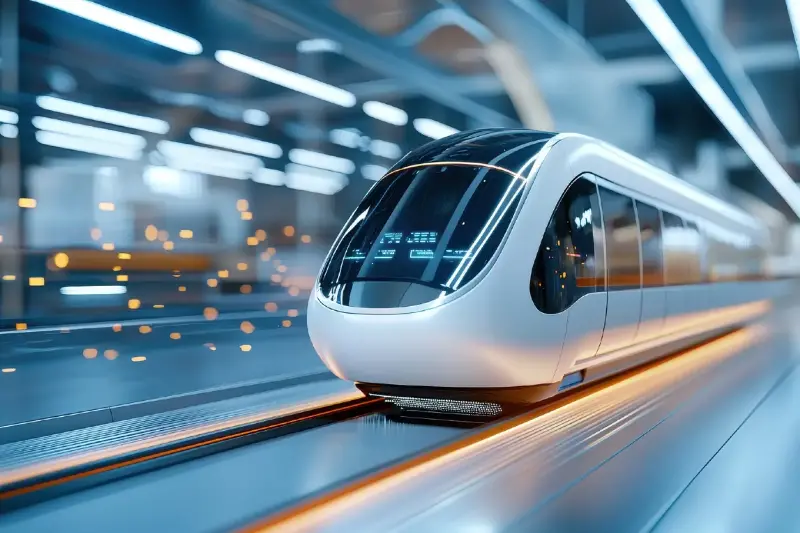
With the bar continuously rising, scientists and engineers push ahead with even wilder visions. Could trains soon rival the speeds of passenger planes? Hyperloop projects aim for over 1,000 km/h, using vacuum tubes and magnetic propulsion, while China and Japan expand their Maglev ambitions.
Every new world record is more than a number; it represents a dream taking shape, a new chapter in how we connect and move. The next time you board a train, imagine the history—and the technology—propelling you into the future. Where will the tracks of tomorrow lead, and how fast will the world seem then? The only certainty: the journey toward ever greater speed is far from over.