


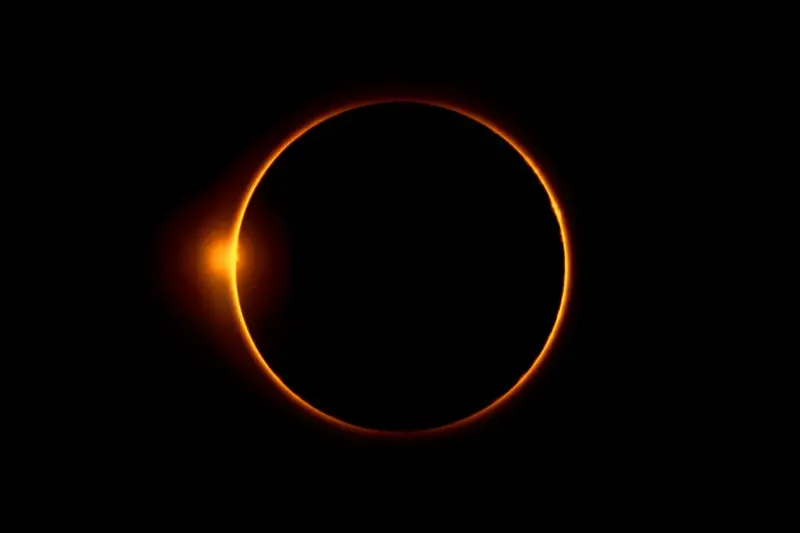
There’s a peculiar tingle in the air when a solar eclipse draws near. Whether you’re a seasoned stargazer or someone simply intrigued by nature’s wonders, a solar eclipse is more than just a curious alignment—it’s a celestial spectacle that has captivated humanity for millennia. With the year’s most dazzling cosmic event soon upon us, knowing how to prepare can make all the difference between a fleeting glance and an unforgettable experience.
Decoding the Shadow Dance: What Makes a Solar Eclipse Special
First, let’s unravel the basics. A solar eclipse occurs when the Moon slips precisely between the Earth and the Sun, casting a slender shadow on our planet. For a brief spell, daylight dims, temperatures drop, and birds may fall eerily silent. It’s a reminder of nature’s grandeur—and our cosmic neighbourhood’s delicate choreography.
Did you know? Not every new moon brings an eclipse; the Moon’s inclined orbit generally whisks its shadow above or below Earth. Total solar eclipses—when the Moon blots out the Sun completely—are rarer still, dancing across a slim 100-mile-wide path for a fleeting few minutes at a time.
Mark Your Calendars: Timing and Visibility Matters
Timing is everything with eclipses. The precise date and time can make or break your viewing opportunity. Depending on where you live, you may see only a partial eclipse—or, if you’re lucky, totality: that spectacular moment when the Sun’s corona shimmers around a blackened disc.
- Check local forecasts: Use reputable astronomical resources or apps to pinpoint exact start and end times for your location.
- Scout the path of totality: Sometimes, a short road trip is all that separates a once-in-a-lifetime view from an average experience.
- Weather can be a wild card: Even a perfect path means little under thick cloud! Keep an eye on the skies in the days leading up to the big event.
Experiencing an eclipse is a powerful communal moment—a rare time when millions of eyes all turn skywards together.
Gearing Up: Safe Viewing Essentials
Never look directly at the Sun during an eclipse. Even when it’s partially covered, harmful rays can cause permanent eye damage. Fortunately, enjoying an eclipse safely is straightforward with a bit of planning:
- Certified eclipse glasses: Ensure your glasses are ISO 12312-2 certified—ordinary sunglasses are not enough.
- Pinhole projectors: Create a simple viewer with two cards or even kitchen colanders for a fun family activity.
- Solar filters for cameras and telescopes: To photograph the event, equip lenses with proper solar filters to protect both your device and your eyesight.
Those fleeting minutes of totality are a vivid lesson in humility and wonder, so make every moment count safely.
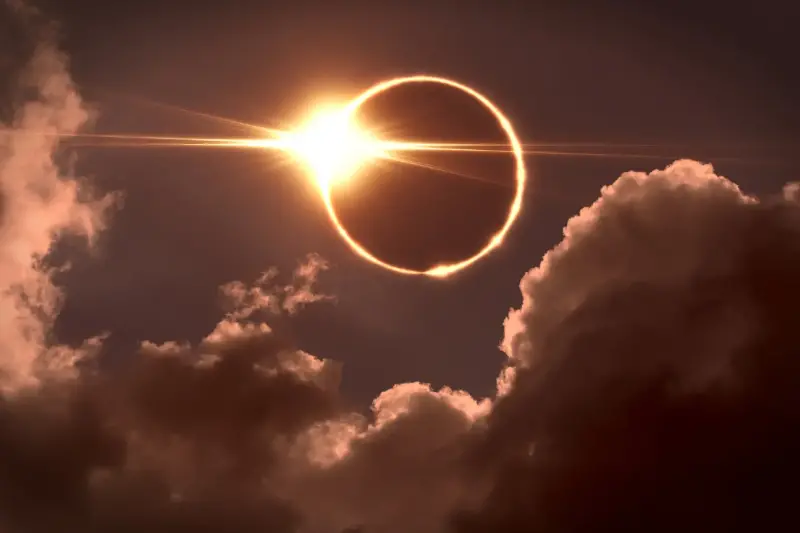
Beyond the Moment: Making It an Event to Remember
Transform the experience into a celebration, big or small:
- Host a watch party and share the anticipation with friends and family.
- Guide children through eclipse myths from cultures around the world for a deeper appreciation.
- Capture time-lapse footage of shifting shadows and crowd reactions—not just the celestial show—so you can relive the excitement.
For the adventurous, jot your impressions in a journal or sketch the changing sky, anchoring the moment in memory.
Looking Up: The Cosmic Invitation
As humanity races forward, solar eclipses remind us to pause and look up—to witness the universe in motion, and our own tiny place beneath its shadow. Each eclipse is both a singular spectacle and a shared, primeval marvel, beckoning us to wonder what else the skies might hold. Next time the day grows dark at midday, will you be ready to join the world’s oldest, most dazzling show? Your answer might just redefine the way you see the cosmos forever.