


New Report Sounds Alarm: Is Our Climate Spiralling Out of Control?
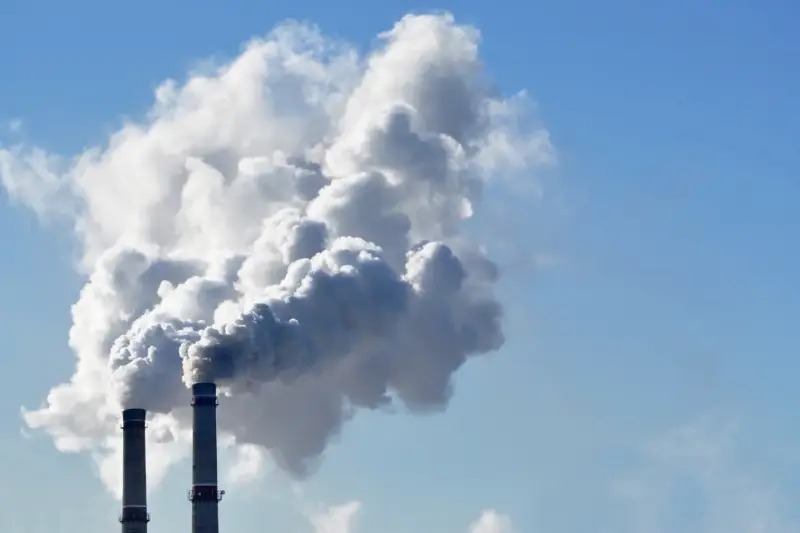
On the leading edge of climate science, a recent, landmark study has unveiled an unsettling truth: greenhouse gas emissions and global warming are accelerating at a rate even experts find alarming. As global leaders struggle to meet targets set in the Paris Agreement, this new data throws a harsh spotlight on just how much work remains to avert the worst-case scenarios.
Breakneck Speed: Greenhouse Gases on the Rise
Just a decade ago, many assumed that humanity had more runway before crossing dangerous climate thresholds. Now, scientists warn the window for action is shrinking at a dramatic pace. The latest study, published this week in a prominent peer-reviewed journal, analyses satellite data, atmospheric readings, and global temperature records, drawing from sources across the globe.
The findings are stark:
- Carbon dioxide (CO2) emissions rose by 1.5% in 2023, reaching a peak 50% higher than pre-industrial levels.
- Methane, a potent greenhouse gas, increased by 2.7%—a record jump, much of it linked to agriculture and fossil fuel extraction.
- Average global temperatures for the past year were 1.3°C above the late nineteenth-century baseline. The world edges ever closer to the once “unthinkable” 1.5°C threshold, a limit scientists describe as critical.
The air you breathe today contains more greenhouse gases than at any time in at least 800,000 years. The implications ripple across continents, ice sheets, and our everyday lives.
The Planet Feels the Heat: Visible Impacts and Startling Projections
Beyond the sterile numbers, the warming world increasingly reveals itself in our backyards and headlines. The study correlates these rising emissions directly with extreme weather events and shifting climates.
- Glaciers in Greenland and Antarctica are melting at unprecedented rates.
- Heatwaves in Europe and North America smashed historic records, with some cities enduring weeks of “tropical nights” where temperatures never dipped below 25°C.
- Mega-droughts continue to parch South America and the Horn of Africa, threatening food supplies and water security.
Satellite imagery and climate models used in the study suggest that if current trends continue:
- Major coastal cities may face annual flooding events within the next two decades.
- Crop yields could decline by up to 25% in already vulnerable regions.
- Entire ecosystems, from coral reefs to arctic tundra, may tip into irreversible decline.
It’s not just polar bears and ice caps at stake—it’s our food, water, homes, and health.
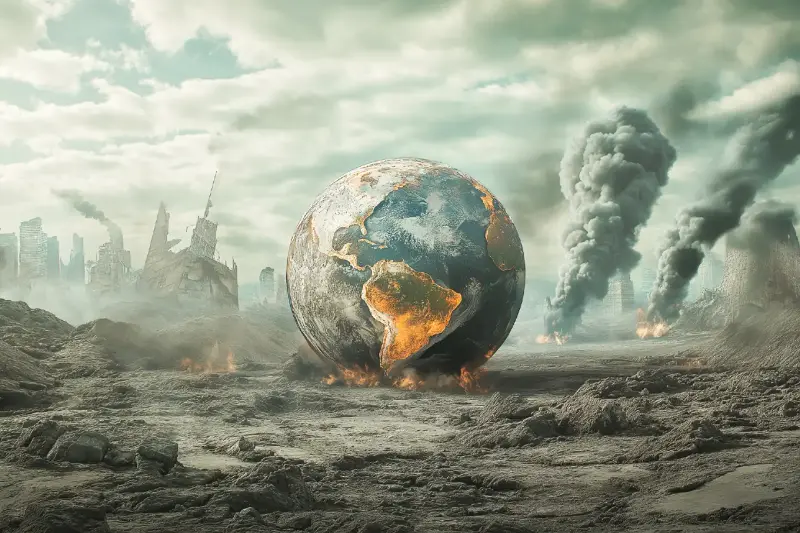
Why Are Emissions Accelerating—and Can We Stop Them?
One of the most disturbing revelations from the report is not just the rapid increase, but why it’s happening now. While clean energy adoption is accelerating, demand for energy—especially in developing economies—is rising even faster. This creates a paradox: even as we install solar panels and wind farms, we burn more coal, oil, and gas to feed growing cities and industries.
Three main drivers:
- Economic rebound following the COVID-19 pandemic saw a surge in fossil fuel use.
- Slow progress on energy efficiency in major sectors—like transportation and manufacturing.
- Loopholes and weak enforcement in international carbon agreements.
Yet, the researchers are careful to remind us that the future isn’t written in stone: swift, decisive action can still alter the trajectory. Solutions outlined in the study include:
- Rapid expansion of renewable energy.
- Large-scale reforestation and soil restoration.
- Policies to curb methane leaks and phase out coal.
What Comes Next? A Call for Curiosity and Action
With the pace of greenhouse gas emissions and global warming accelerating, this study draws a vivid line under the urgency of the moment. As the world digests these findings, a pivotal question emerges: how will we respond—individually, collectively, and globally?
Perhaps this report serves not only as a warning, but as a spark for curiosity, for innovation, and for action. Will future generations marvel at our resolve or wonder why we hesitated? The answer, as ever, remains unwritten and awaits the choices we make today.