


Heat Dome Over Europe! – Drought, Wildfires, and Suffocating Weather Grip the Continent
In recent weeks, Europe has become a meteorological hot zone. Swathes of the continent are wilting under a severe “heat dome”, a rare weather event that has left millions gasping for relief. But what exactly is a heat dome, and why has this summer felt so extreme?
What is a Heat Dome and How Did It Form?
Imagine a giant lid trapping heat over Europe—that’s essentially what meteorologists mean by a ‘heat dome’. It happens when a persistent area of high pressure sits over a region, acting like an enormous atmospheric blanket. This blanket prevents warm air from escaping, causing temperatures to spike day after day.
Scientists trace this current heat dome to stagnant jet streams and shifts in climate patterns linked to global warming. Temperatures in southern Spain soared to a sizzling 44°C (111°F), smashing local records. Cities like Rome, Athens, and Marseille have all recorded their hottest days ever, with asphalt melting and infrastructure buckling under the relentless sun.
Drought Ravages Farmlands and Water Supplies
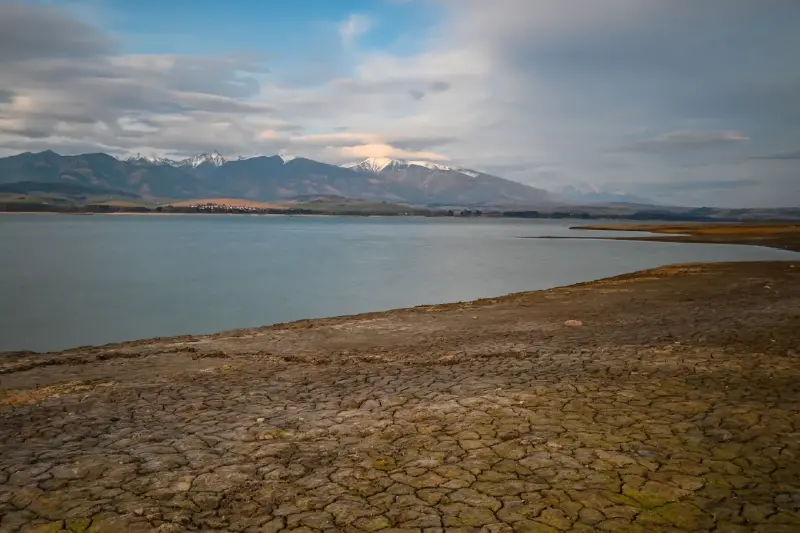
The effects of the heat dome are not just felt in the sweltering air—they’re equally devastating on the ground. Rivers such as the Rhine and Po have shrunk to historic lows, revealing dry, cracked beds and stranding boats. Farmers across France, Italy, and Germany report fields withering before their eyes.
Key consequences include:
- Water restrictions in dozens of towns and cities
- Crop failures for wheat, maize, grapes, and olives
- Soaring food prices due to reduced yields
- Fears of drinking water shortages in some rural communities
The landscape suffers: reservoirs dwindle, forests lose vitality, and the earth turns to powder beneath summer boots.
Europe Ablaze: Wildfires Surge Across the Continent
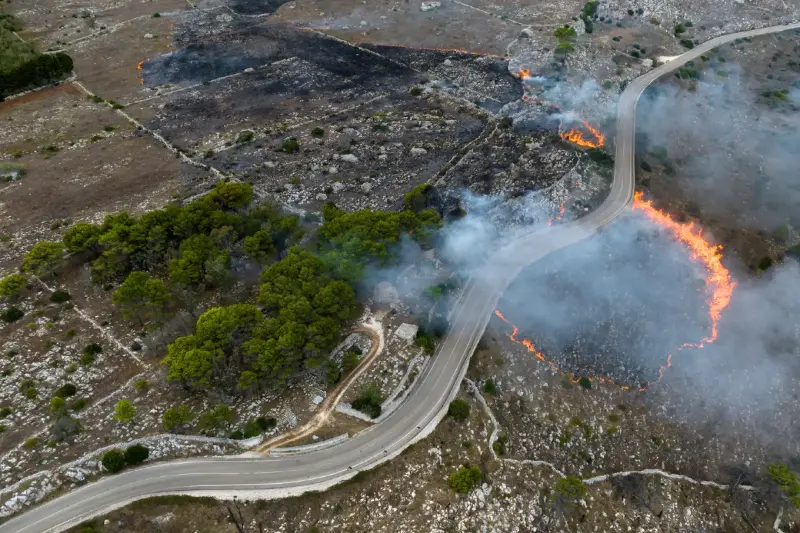
It’s not just crops that are suffering: Europe’s skies have been stained with smoke. From Portugal’s Algarve to the pine forests of Greece, wildfires have raged with dramatic speed and ferocity. Thousands have evacuated tourist resorts and countryside villages, their homes reduced to cinders in a matter of hours.
Notable wildfire facts:
- The 2024 wildfire season has seen more than 250,000 hectares of land scorched—an area nearly twice the size of London.
- Over 1,500 firefighting personnel have battled blazes simultaneously in southern France alone.
- Air quality in cities like Athens has plunged, with hospitals reporting spikes in breathing difficulties due to heavy smoke.
Firefighters speak of walls of flame “like nothing seen in living memory.”
Relentless Heat and Health: The Human Toll
Heat domes don’t just affect the land—they squeeze the life out of daily routines. Across Europe, health ministries have issued red alerts for heatstroke, urging people to avoid strenuous activity and drink extra water. Public fountains become gathering points, and night-time offers little escape as temperatures stay stubbornly high after dark.
Many cities have opened ‘cooling centres’ for the elderly and vulnerable. Work crews in construction, agriculture, and delivery are asked to shift hours or down tools altogether during midday peaks. Night travel is up, daytime foot traffic down. Emergency services are stretched as communities struggle with power cuts, water shortages, and hospital visits.
What Now? Climate Change and an Uncertain Future
While Europe has faced heatwaves before, scientists warn that events like this “heat dome” will only grow in frequency and intensity as the world warms. Governments are scrambling to adapt, investing in fire defences, innovative water management, and heat-resistant infrastructure. But coping with the emotional weight—of summer traditions broken, ancient forests lost, and livelihoods at risk—may prove just as challenging.
How societies respond to this immense test will define the future of the continent. Will Europe rise to meet nature’s new extremes, or be forced to continually pick up the pieces? As the heat lingers, one thing is certain: our relationship with weather has changed, and the story is far from over.