


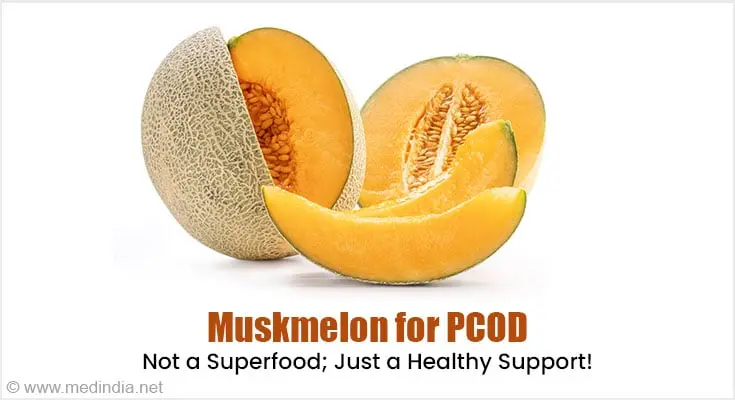
India, April 7 -- Muskmelon has emerged as a popular "PCOD-friendly" food among women looking for natural ways to manage hormonal imbalance .
However, Dr. Simrat Khaturia, celebrity dietician and wellness coach, clarifies that while muskmelon is healthy, it is not a cure for PCOD. She explains that muskmelon is low in calories, rich in vitamins A and C, and supports hydration and digestion, making it a good addition to a balanced diet.
PCOD (Polycystic Ovary Disease), often used interchangeably with PCOS (Polycystic Ovary Syndrome), is a hormonal and metabolic disorder marked by irregular periods, excess androgen levels, and insulin resistance, increasing the risk of weight gain, diabetes, and cardiovascular disease.
Can Muskmelon Actually Help Manage PCOD, or Is It Just Hype?
Muskmelon (Cucumis melo) is a nutrient-dense, hydrating fruit rich in vitamins A and C, potassium, and antioxidants. It is also often described as containing inositol-like compounds, which have contributed to its popularity in PCOD diets.
However, scientific evidence draws a clear distinction.
A prospective clinical study in women with PCOS showed that myo-inositol supplementation (2-4 g/day) improved insulin resistance (HOMA-IR), menstrual regularity, and androgen levels. Earlier systematic reviews also show that inositols can improve insulin signalling and reduce oxidative stress (2).
Importantly, these benefits are observed with standardized supplement doses-not through foods like muskmelon. This means muskmelon may contribute small nutritional benefits, but it cannot replicate the clinical effects of inositol therapy.
Why Are Women With PCOD Turning to Foods Like Muskmelon?
PCOD is closely linked to insulin resistance and metabolic imbalance, making diet a central part of management. This has led many women to search for "PCOD-friendly foods" that may support hormonal balance naturally.
Muskmelon has gained attention because it is low in calories, hydrating, and easy to include in daily diets. At the same time, fruits in general are valued for their fiber, vitamins, and anti-inflammatory effects, which may help manage PCOD symptoms.
However, experts caution that focusing on individual "superfoods" can be misleading. No single fruit can correct hormonal imbalance, and long-term improvement depends on consistent dietary and lifestyle patterns.
How Should Muskmelon be Consumed in a PCOD Diet?
Dr. Khaturia emphasises moderation and smart food combinations. Key recommendations include:
Consume in controlled portions (about 100-150 g or 1 cup)
Avoid eating large amounts alone, especially on an empty stomach
Pair with protein or healthy fats such as nuts, seeds, or yoghurt
This helps reduce blood sugar spikes, improve satiety, and support metabolic balance.
This approach aligns with broader PCOD dietary guidance, which focuses on low glycemic index foods, high fiber intake, and balanced macronutrients.
Supporting evidence from lifestyle-based research also reinforces this. A naturopathic "live food" model study in PCOS patients incorporated diets rich in raw fruits (including muskmelon), vegetables, and sprouts along with yoga and naturopathy therapies. The intervention showed improvements in body weight, menstrual cycle patterns, and ovarian morphology (1).
Importantly, the study did not identify muskmelon as a treatment, but as part of a broader dietary and lifestyle approach.
Where Does Muskmelon Fit in Evidence-Based PCOD Management?
Clinical and nutrition research consistently shows that overall dietary pattern matters far more than individual foods. Recommended strategies include:
Low glycaemic index, high fibre diets
Controlled fruit intake with portion awareness
Adequate protein and healthy fats
Regular physical activity and weight management
Within this framework, muskmelon can be considered a low-calorie, hydrating fruit option that supports overall nutrition. However, large portions can still raise blood sugar levels, particularly in individuals with insulin resistance.
Experts also note that in some cases, inositol supplementation under medical supervision may be recommended for metabolic and hormonal benefits-something that cannot be replaced by food sources alone.
PCOD-Friendly Fruits: Not A Cure; Just A Support
Fruits are beneficial in PCOD as they are rich infiber, antioxidants, and anti-inflammatory properties.
However, they still contain natural sugars and must be consumed in moderation. Therefore, choosing low glycemic index fruits, pairing them with protein or healthy fats, and avoiding excessive portions can help improve insulin resistance and reduce cravings.
Beyond muskmelon, fruits like'
Apples,
Berries,
Citrus fruits,
Kiwi,
Pomegranate
Emergency Medical Services
are often recommended as part of a PCOD-friendly diet, as they support metabolic health and reduce inflammation. However, like muskmelon, these foods are supportive-not therapeutic-and work best within an overall dietary pattern.
"PCOD cannot be managed by a single food. It requires an overall lifestyle approach," concludes the celebrity dietician (3).
Final Takeaway
Muskmelon is a healthy, hydrating fruit that can support overall nutrition in women with PCOD-but it is not a cure.
While it provides vitamins and small amounts of inositol-like compounds, meaningful clinical benefits in PCOD are linked to structured lifestyle changes and, where needed, evidence-based supplementation.
A balanced, low-glycemic diet, portion-controlled fruit intake, regular exercise, and medical guidance remain the most effective approach to managing PCOD and reducing long-term metabolic risk.