


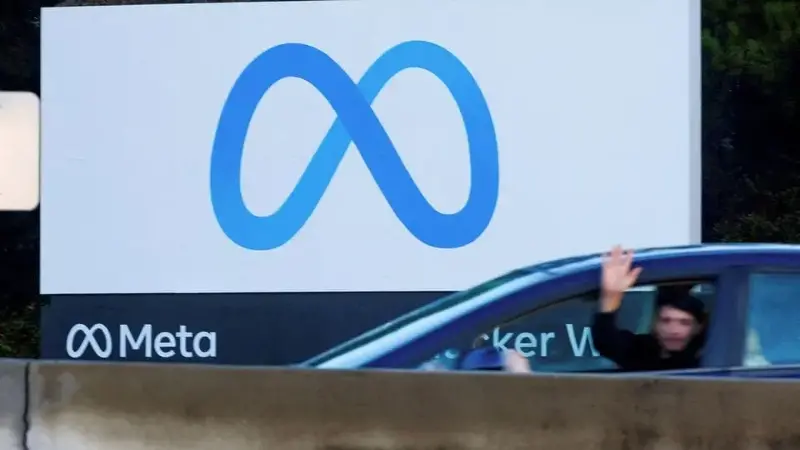
Meta Platforms Inc. has signed a series of electricity contracts for its data centres, making it the most significant corporate purchaser of nuclear energy in American history, the company said in a release on Friday, 9 January.
The technology giant informed that it will buy electricity from three existing Vistra Corp. plants and support several small reactors that Sam Altman-backed Oklo Inc. and Bill Gates-backed TerraPower LLC plan to build over the next decade. These agreements follow a separate deal in June to source energy from a Constellation Energy Corp. nuclear site.
“Our agreements with Vistra, TerraPower, Oklo, and Constellation make Meta one of the most significant corporate purchasers of nuclear energy in American history. State-of-the-art data centers and AI infrastructure are essential to securing America’s position as a global leader in AI. Nuclear energy will help power our AI future, strengthen our country’s energy infrastructure, and provide clean, reliable electricity for everyone," Meta said.
It further added, "These projects are going to create thousands of skilled jobs in Ohio and Pennsylvania, add new energy to the grid, extend the life of three existing nuclear plants, and accelerate new reactor technologies.”
The agreements may exceed 6 gigawatts, enough to supply around 5 million homes, Bloomberg reported. These deals demonstrate that Big Tech’s rush to secure electric sources continues strongly despite intense competition in the artificial intelligence sector.
Vistra’s shares increased by 10% before trading began in New York on Friday. Oklo’s shares rose approximately 20%.
As increasing US power demand for data centres has boosted interest in nuclear energy, hyperscalers that previously committed to going green have recently contemplated or entered into agreements with natural gas-fired plant generators that are usually much easier and swifter to build. Nuclear projects typically require ten years to develop and construct, while data centres can become operational much faster, resulting in a more immediate demand for energy.
US power consumption is projected to increase by at least 30% by 2030, with most of the new demand originating from data centres, the news portal reported, citing energy consulting firm Grid Strategies. However, power suppliers are struggling to keep pace, and electricity has become one of the most significant bottlenecks for the development of artificial intelligence.
Amazon.com Inc., Alphabet Inc., and Microsoft Corp. have all signed agreements to harness energy from nuclear reactors. These initiatives are now overshadowed by Meta’s efforts, it added.
About the deals
Meta’s recent deals align with CEO Mark Zuckerberg’s repeated commitments to invest hundreds of billions of dollars by the end of the decade in AI and its supporting infrastructure. Key projects include “Prometheus,” a 1-gigawatt data center in New Albany, Ohio, expected to launch this year, and “Hyperion,” a rural Louisiana initiative that could expand to 5 gigawatts and come online in 2028.
The latest nuclear agreements will also support the Ohio-based Prometheus project. Under the agreement with Vistra, Meta will purchase energy from the Davis-Besse and Perry reactors in Ohio, totalling over 2.1 gigawatts of operational capacity. Additionally, it will receive 433 megawatts of extra energy from planned upgrades aimed at increasing output from these two plants and the Beaver Valley facility in Pennsylvania.
The Vistra nuclear plants will keep supplying power to the largest US grid managed by PJM Interconnection LLC, which serves over 67 million people across the Midwest to the mid-Atlantic.
In a separate deal with Oklo, Meta will receive up to 1.2 gigawatts of capacity from reactors that Oklo plans to build in Ohio, with the first expected to come into service as early as 2030. Oklo is developing a 75-megawatt reactor, though it still requires approval from federal regulators. The agreement with Meta also includes a prepayment, mainly to assist Oklo in procuring fuel.
Meta also gave a nod to support the development of two reactors by TerraPower capable of generating up to 690 megawatts with delivery as early as 2032. It also secured the rights for energy from up to six other future reactor projects that together would total 2.1 gigawatts of power.
Last year, Zuckerberg told investors that he perceives more risk to his company from under-spending on AI infrastructure than from overspending. His strategy is to “aggressively front-load building capacity” in preparation for a pivotal moment when Meta achieves its goal of “superintelligence,” a term that describes AI surpassing humans in many tasks.