



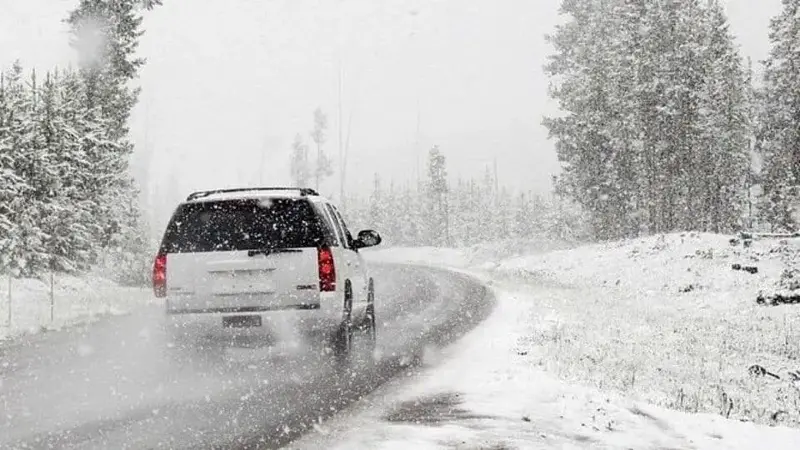
Winter brings its own set of challenges for drivers. Cold mornings, fog, frost and occasional icy patches can make even familiar roads feel unpredictable. Grip levels drop sharply in winter conditions, and mistakes that seem minor on dry roads can quickly turn serious. Here are five things to keep in mind when driving on slippery winter roads.
1. Slow down
In winter, roads can look dry but still be cold enough to reduce tyre grip. Ice, black ice or frost can drastically increase braking distances. Driving slower than usual and leaving extra space to the vehicle ahead gives you more time to react if the car doesn’t slow down as expected.
(Also read: It's viral! Watch Maruti e Vitara tackle snow like a pro)
2. Smoother inputs
Cold tyres and cold tarmac don’t work together very well. Sudden acceleration, sharp steering or hard braking can easily cause the car to slide on wet, cold or snowy roads. Smooth, gradual inputs help the tyres warm up and maintain whatever grip is available, particularly during early morning or late-night drives.
3. Don’t panic when sliding
A small skid can be scary, especially for less experienced drivers. If it happens, resist the urge to slam the brakes. Locking the wheels can cause more damage than it seems. Feather the brakes to steadily bring the vehicle to a halt. Also, easing off the accelerator and steering gently in the direction you want the car to go helps at times. Modern safety systems like ABS and stability control help with these situations.
One of the biggest winter hazards is black ice. Black ice is hard to see because it blends into the road surface. It often forms on bridges, flyovers and shaded stretches that don’t get much sunlight. If the steering suddenly feels light or the car stops responding normally, ease off the pedals and stay calm.
(Also read: Watch: Maruti Jimny pull Land Rover Defender, Mahindra Scorpio stuck in snow)
4. Make sure your car is winter-ready
Winter driving puts extra pressure on basic components. Tyres with healthy tread are essential, as worn rubber struggles even more in cold conditions. Check tyre pressure regularly, as it drops in low temperatures. Working wipers, effective demisters and clean headlights are equally important for foggy winter mornings.
5. Visibility matters as much as grip
Winter fog and low sunlight can severely affect visibility. Use headlights appropriately, avoid high beams in fog and keep the windscreen clear of mist. If visibility drops too much, it’s better to slow down significantly or wait it out rather than push on.