



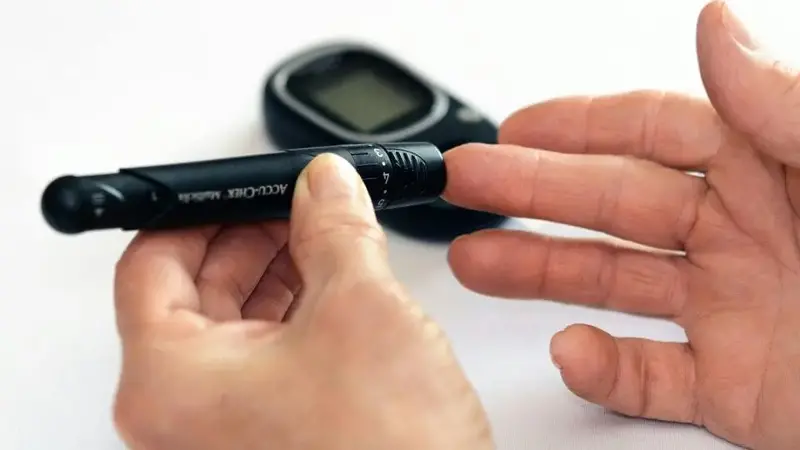
Diabetes continues to be a growing health concern in India, particularly among middle-aged and older adults. A study published in The Lancet in September 2025 estimated that nearly 20% of Indians aged 45 years and above are living with diabetes, translating to over 50 million people nationwide. Managing the condition typically requires strict dietary control, medication and lifestyle changes.
However, a US-based gastroenterologist with training from AIIMS, Harvard and Stanford says that one simple daily habit can significantly help regulate blood sugar levels—without altering what you eat.
Dr Saurabh Sethi recently shared on Instagram that taking a short walk after meals can play an important role in controlling glucose levels. According to him, a 10-minute walk after eating is often enough to make a measurable difference.
Why a short walk matters
Dr Sethi explained that the walk does not need to be intense, fast-paced or linked to fitness goals such as step counts. “Your leg muscles act like a sponge. When they move, they pull glucose directly out of your bloodstream,” he said.
This process helps reduce post-meal blood sugar spikes. With less glucose circulating in the blood, the body releases lower amounts of insulin. Over time, this can reduce excess fat storage in the liver, lowering the risk of fatty liver disease and insulin resistance.
Health experts have long emphasised that light physical activity after meals improves how the body processes sugar, especially in people with sedentary lifestyles.
Potential health benefits
Dr Sethi outlined several benefits associated with walking for just 10 minutes after meals, including:
- Smaller blood sugar spikes
- Lower insulin levels
- Reduced fat accumulation in the liver
- Less abdominal fat
- Fewer energy crashes after meals
- More stable energy levels throughout the day
He added that this habit can be beneficial not only for people with diabetes, but also for those dealing with related metabolic conditions.
Who may benefit
According to Dr Sethi, regular post-meal walks may help people with:
- Prediabetes
- Type 2 diabetes
- Fatty liver disease
- Insulin resistance
- Weight gain
- Belly fat
- Sugar cravings
Doctors caution that while walking can support blood sugar control, it should complement—not replace—medical treatment, prescribed medication and professional dietary advice.
In an Instagram post shared on December 4, Dr Saurabh Sethi, MD—a gastroenterologist with training from AIIMS, Harvard and Stanford—spoke about quinoa’s nutritional value while clearing up several common misconceptions around the grain.
In the post, titled “Gut doctor reveals shocking facts about quinoa,” Dr Sethi addressed frequently asked questions, including whether quinoa is an effective source of protein, if it contains antioxidants, how it impacts digestion and gut health, and whether it truly deserves its reputation as a superfood or is largely overhyped.