


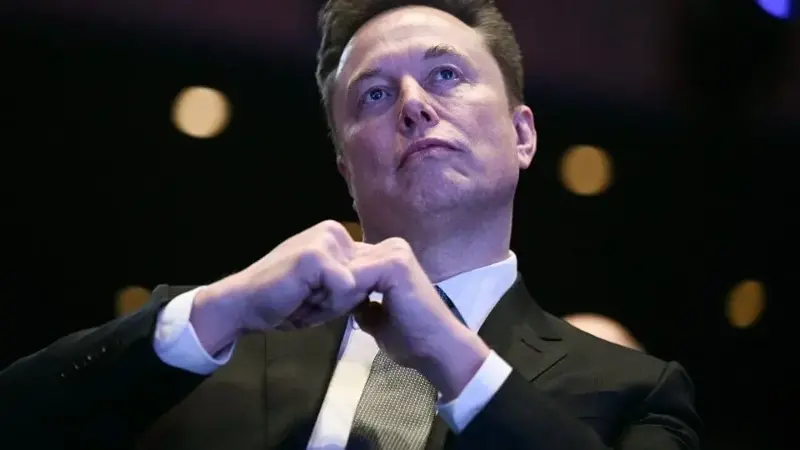
Tech mogul Elon Musk has reignited his rivalry with big tech peers, this time taking aim at Google’s artificial intelligence tools through a reshared post on X on Saturday, highlighting that his company’s Grok platform offers dramatically higher limits for AI video generation than Google’s plans.
The tech billionaire contrasted Grok’s daily video creation capacity with what he described as Google’s tightly capped allowances, arguing that creators are being “rationed” on rival services.
Musk highlights higher limits for Grok users
Musk said that Grok users subscribing to the higher-tier SuperGrok plan can generate between 100 and 200 videos per day. He added that the SuperGrok Heavy tier raises this figure to between 500 and 1,000 videos daily.
According to Musk, these limits give users far greater freedom to experiment and produce content at scale without worrying about hitting restrictive caps.
“Grok lets creators go wild without rationing,” he wrote, calling the difference between the platforms “night and day”.
Google plans described as ‘severely restricted’
In the same post, Musk compared Grok’s limits with those of Google’s AI video tools, which currently include access to its Veo 3.1 models.
He highlighted that Google AI Pro allows roughly three videos per day using the Veo 3.1 Fast preview. Moreover, he also noted that Google AI Ultra allows around five videos per day using the Veo 3.1 preview.
Musk characterised these numbers as “single digits”, suggesting they are far less generous than Grok’s hundreds or thousands of outputs per day.
Marketing or meaningful difference?
While Musk framed the comparison as a decisive advantage, usage caps often depend on pricing tiers, model availability and whether tools are still in testing. Google’s Veo system remains in limited preview, which may explain the lower quotas.
Even so, Musk’s post is likely to resonate with developers and content creators seeking fewer restrictions and faster experimentation.